The decision to wear beekeeping gloves is a calculated trade-off between tactile sensitivity and physical protection. The primary argument in favor of gloves is that they prevent painful stings, allowing nervous beekeepers to handle hives with confidence rather than fear; the argument against them is that they reduce dexterity, leading to clumsy movements that are more likely to crush bees and incite defensive behavior.
The optimal choice depends on the beekeeper's ability to remain calm under pressure. While bare hands offer the precision necessary to save bees from accidental harm, gloves provide the psychological security required to work the hive without panic.
The Case for Protection and Confidence
Managing Beekeeper Anxiety
For beginners, the fear of stinging often manifests as shaky or fumbling hands. Bees are highly sensitive to movement and can react defensively to this nervousness.
Wearing gloves acts as a psychological safeguard. By removing the immediate fear of pain, a new beekeeper can move more deliberately and calmly, which ironically creates a safer environment for the colony.
Handling Aggressive Colonies
Regardless of skill level, not all hives are docile. Some colonies are naturally aggressive or may become agitated due to weather or queen issues.
In these scenarios, protection takes precedence over dexterity. Having a thick layer of defense allows the beekeeper to complete necessary inspections or manipulations on a hostile hive without being chased away.
Health and Comfort
Stings are painful and can cause significant swelling. For those who react poorly to venom or simply wish to avoid the discomfort, gloves are a non-negotiable tool for enjoyment.
The Case for Dexterity and Bee Welfare
Prevention of Accidental Harm
The primary technical argument against gloves—specifically thick leather ones—is the loss of tactile feedback.
When working with bare hands, you can feel if a bee is trapped under your finger or between frames before you apply pressure. Gloves numb this sensation, often leading to "rolling" or crushing bees inadvertently.
Improved Motor Skills
Beekeeping involves prying apart frames that are often stuck together with propolis. This requires fine motor skills.
Bulky gloves can make hands feel like clumsy paws. This lack of coordination can cause frames to snap back into place or drop, causing vibrations that alarm the colony much faster than the scent of a human hand would.
Understanding the Trade-offs: Material Selection
The Leather Gauntlet
Traditional leather gloves with long cuffs (gauntlets) offer maximum protection, covering the hands and forearms.
However, they represent the extreme end of the trade-off: they are hot, heavy, and severely restrict fine movement. They are best reserved for commercial operations or highly defensive hives where stinging is guaranteed.
The Nitrile Compromise
Thin nitrile gloves have become a popular middle ground. They offer high dexterity and disguise the texture of human skin, which may reduce the bees' urge to sting.
The trade-off here is durability and protection. They are not sting-proof and do not protect the wrists, but they offer far better cleanliness and sensitivity than leather.
The Necessity of Backup
Even proponents of the "bare hand" method acknowledge the unpredictability of nature.
It is universally recommended to keep a pair of gloves in your kit. Situations can change rapidly, and having a backup ensures you can safely close up a hive if the bees turn aggressive.
Making the Right Choice for Your Goal
- If your primary focus is learning and building confidence: Start with gloves to mitigate fear, as your calmness will keep the bees calmer than your bare hands would if you are shaking.
- If your primary focus is hive health and precision: Transition to bare hands or thin nitrile gloves to maximize dexterity and minimize accidental bee deaths.
- If your primary focus is managing a "hot" or aggressive hive: Prioritize thick, gauntlet-style gloves to ensure you can finish the job without retreating.
Ultimately, the best equipment is the one that allows you to work the hive slowly, smoothly, and effectively.
Summary Table:
| Factor | Wearing Gloves (Leather/Thick) | Bare Hands / Thin Nitrile |
|---|---|---|
| Protection | High; prevents stings and pain | Low; risk of stings is higher |
| Dexterity | Low; bulky, harder to handle frames | High; precise tactile feedback |
| Bee Welfare | Higher risk of crushing bees accidentally | Lower risk; easier to avoid harming bees |
| Confidence | High; reduces anxiety for beginners | Depends; requires calm under pressure |
| Best Use Case | Aggressive hives or new beekeepers | Routine inspections and queen marking |
Elevate Your Apiary with HONESTBEE
Whether you prioritize the maximum protection of traditional gauntlets or the precision of modern handling, HONESTBEE provides the professional-grade tools you need. As a leading supplier for commercial apiaries and distributors, we offer a comprehensive wholesale range—from high-durability gloves and protective gear to advanced honey-filling machinery and hive-making equipment.
Enhance your operational efficiency and safeguard your team with our premium beekeeping solutions. Contact us today to explore our wholesale catalog and see how our industry expertise can grow your business.
Related Products
- Beekeeping Gloves Goatskin Leather with Long Cotton Sleeve for Beekeepers
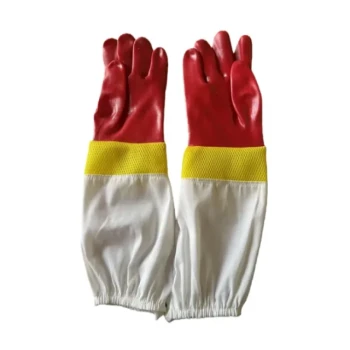
- Heavy Duty Red Rubber Beekeeping Gloves with Vented Mesh Cotton Sleeves
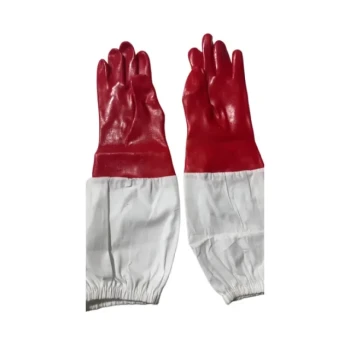
- Heavy Duty Red Rubber Beekeeping Gloves with Extended Pure Cotton Sleeves for Beekeepers
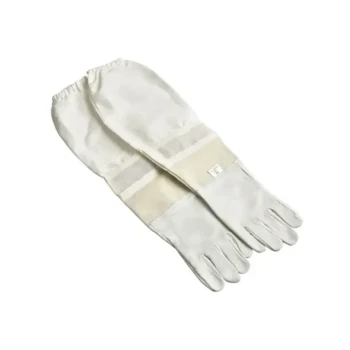
- Goatskin Leather Beekeeper Gloves with Vent Long Sleeve for Beekeeping Honey Bee Sting Proof Protection
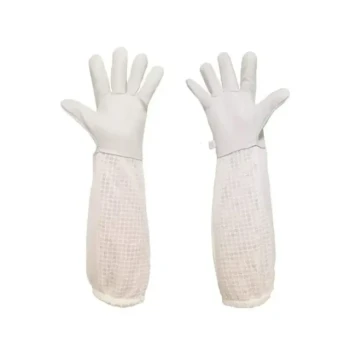
- Premium Ventilated Goatskin Beekeeping Gloves with Full 3-Layer Mesh Sleeve
People Also Ask
- What are the characteristics of the best gloves for beekeeping? Choose Protection & Dexterity
- What are the primary purposes of using beekeeping gloves? Protect Your Hands and Ensure Apiary Hygiene
- What types of gloves are available for beekeeping? Choose the Right Protection for Your Hive
- Why is it important for beekeepers to wear gloves? Essential Safety and Confidence for Hive Management
- Why do some experienced beekeepers opt not to wear gloves? Discover the Benefits of Tactile Precision