Splitting a hive introduces significant biological and environmental stress to the bee colony, requiring precise intervention to prevent collapse. The primary technical challenges involve securing a viable queen, maintaining adequate food reserves like honey and pollen, managing population density, and controlling environmental factors such as ventilation and disease vulnerability.
The success of a hive split hinges on maintaining biological balance; failure usually stems from the inability of the new colony to establish a queen or defend its resources before the population stabilizes.
Establishing Biological Continuity
Ensuring Queen Viability
The most critical hurdle in splitting a hive is ensuring the new queen is strong and healthy.
A split divides the colony's resources, and if the new queen fails to mate, lay eggs, or is rejected, the colony faces immediate hive failure.
Managing Population Density
Beekeepers must carefully manage the bee population to prevent overcrowding in the new configuration.
While the goal is to expand, the ratio of nurse bees to foragers must be sustainable.
Incorrect population management can lead to a colony that is too weak to maintain hive functions or, conversely, one that becomes overcrowded too quickly.
Managing Resources and Environment
Providing Adequate Nutrition
A common technical failure is assuming the new colony can forage immediately.
Beekeepers must provide adequate honey and pollen resources to support the split's initial growth.
Without these provided resources, the colony may starve before it establishes a sufficient foraging force.
Maintaining Proper Ventilation
New hive setups are susceptible to climate control issues.
Beekeepers must ensure proper hive ventilation to prevent moisture accumulation.
Failure to manage airflow leads to mold buildup, which creates a toxic environment for the vulnerable brood.
Protecting Against Disease
Splits are inherently weaker and more stressed than established colonies.
Regular inspections are required to protect the vulnerable new colony from diseases and pests.
A smaller population has fewer resources to defend against intruders or hygienic issues, making vigilance essential.
Understanding the Trade-offs
Swarm Prevention vs. Colony Strength
Splitting is often used technically to discourage swarming by removing the old queen and the majority of open brood.
This leaves the original hive with a frame of eggs, capped brood, and no queen, effectively halting the swarm impulse.
However, the trade-off is that the new split lacks the foragers required to initiate a swarm, temporarily reducing the productivity of both colonies until populations rebuild.
Managing Risks for a Successful Split
To navigate these challenges effectively, assess your primary objective before initiating the split.
- If your primary focus is Colony Survival: Prioritize manual feeding of honey and pollen to ensure the new split has resources while its foraging force rebuilds.
- If your primary focus is Swarm Control: Ensure you remove the old queen and open brood to leave the original hive in a state where swarming is biologically impossible.
Technical precision in resource management and queen verification is the difference between a thriving apiary and a failed split.
Summary Table:
| Challenge Category | Key Technical Issue | Mitigation Strategy |
|---|---|---|
| Biological Continuity | Queen failure or rejection | Ensure a healthy queen or queen cell and verify egg-laying. |
| Resource Management | Starvation or lack of foragers | Manually provide honey and pollen reserves during the transition. |
| Population Density | Unbalanced nurse-to-forager ratio | Maintain a sustainable ratio to ensure brood care and hive defense. |
| Environmental Control | Moisture and mold buildup | Optimize hive ventilation to prevent toxic moisture accumulation. |
| Pest & Disease | High vulnerability to intruders | Conduct frequent inspections to protect the stressed, smaller colony. |
Scale Your Apiary Operations with HONESTBEE
Overcoming the technical challenges of hive splitting requires more than just knowledge—it requires high-quality, reliable equipment. At HONESTBEE, we specialize in supporting commercial apiaries and distributors by providing the industrial-grade tools needed to ensure successful colony expansion.
From hive-making machinery to create precise, ventilated environments to honey-filling machines and a full spectrum of beekeeping tools, we supply everything your business needs to manage splits and maximize productivity.
Ready to upgrade your beekeeping infrastructure? Contact HONESTBEE Today to learn how our wholesale solutions and specialized hardware can drive growth for your commercial apiary.
Related Products
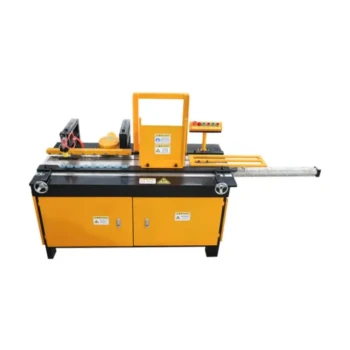
- Beehive Handle and Frame Rest Cutting Machine: Your Specialized Hive Machine
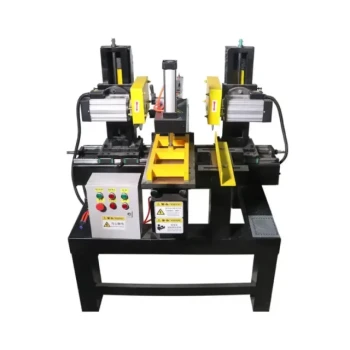
- Beehive Machine Double End Saw for Precision Hive Component Manufacturing
- Multi-Function Hive Tool with Integrated Hammer for Beekeeping
- Professional Dual-End Stainless Steel Hive Tool for Beekeeping
- Ergonomic Plastic Frame Spacer Tool for Rapid Hive Management Beekeeping
People Also Ask
- What is the importance of specialized beehive-making machinery? Ensure Precision for Sensor-Based Hive Monitoring
- How do bee hive handles facilitate the evaluation of food stores? Use the Lift Test for Winter Survival
- How do specialized beehive handling machines contribute to efficiency? Streamline Your Mobile Beekeeping Logistics
- How do professional beehive and frame manufacturing machines contribute to commercial apiary management? Boost Efficiency
- What are the standard dimensions for frame rests in a beehive? Essential Guide for Perfect Bee Space