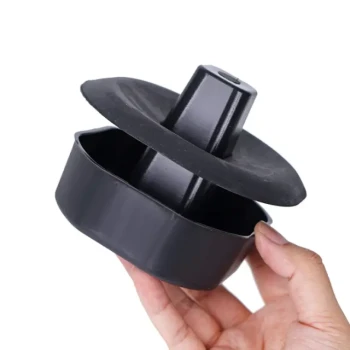
The choice between plastic and wood beehives represents a trade-off between modern durability and traditional sustainability. Plastic hives are robust, pest-resistant, and low-maintenance, but they come with a higher price tag and environmental concerns regarding disposal. Wood hives offer a renewable, cost-effective, and lighter-weight solution, provided you are willing to invest time in regular maintenance to prevent moisture damage.
Core Takeaway While plastic hives offer superior durability and hygiene management for beekeepers seeking a "set it and forget it" workflow, wood remains the standard for those prioritizing initial cost, weight, and environmental sustainability.
Durability and Operational Workflow
Assembly and Readiness
Plastic hives typically arrive pre-assembled and ready for immediate installation. This eliminates the initial labor of building frames and boxes.
Wood hives generally require assembly, including nailing or stapling frames and boxes. This requires more upfront time and tools before the apiary is functional.
Resilience to Wear and Tear
Plastic is highly resistant to physical damage. It does not split or crack when you pry frames loose from propolis, nor does it degrade when used in honey extractors.
Wood is susceptible to warping, splitting, and rotting, particularly due to moisture exposure. Prying frames apart during inspections can occasionally damage the wooden components.
Ease of Cleaning
Plastic components are impervious to water and can be cleaned aggressively, even with a pressure washer. This makes sanitizing equipment rapid and effective.
Wood is porous and harder to deep clean without damaging the material. Over time, it absorbs moisture and residues that are difficult to remove completely.
Pest Management and Observation
Resistance to Wax Moths
Wax moth larvae cannot burrow into plastic foundations or boxes. This physical barrier significantly reduces the spread of these pests within the hive.
Wood is softer and vulnerable to burrowing larvae. Once wax moths infest a wooden hive, they can cause significant structural damage to the equipment.
Visibility for Inspections
Plastic frames, specifically those made of black plastic, offer high contrast against the queen's white eggs. This makes inspection and breeding management much easier for the beekeeper.
Wood frames generally lack this high-contrast background. Spotting eggs requires better lighting and a keener eye.
Economic and Environmental Factors
Weight and Ergonomics
According to standard comparisons, wood beehives are generally lighter than their plastic counterparts. This makes them easier to lift, stack, and transport, which is a critical ergonomic factor for long-term apiary management.
Cost Implications
Wood hives are generally less expensive to purchase initially. Because they are repairable, individual components can be fixed rather than replaced entirely.
Plastic hives have a higher upfront purchase price. While durable, if they do break, they are difficult or impossible to repair and must be replaced.
Sustainability
Wood is a natural, renewable resource that is fully recyclable. Pine, a common material, is biodegradable and can even impart a pleasant scent to the honey.
Plastic hives are non-renewable and generally non-recyclable. This poses a long-term disposal issue for environmentally conscious beekeepers.
Understanding the Trade-offs
The Risk of Disease Contamination
While plastic is easier to clean for general grime, it poses a unique challenge with serious diseases like foulbrood. If a plastic hive is contaminated, it often requires expensive radiation treatment to sterilize, as you cannot simply scorch it like wood.
Bee Acceptance
Bees generally prefer natural materials. There are instances where colonies may reject plastic foundations or hives, refusing to draw comb on them. Wood is rarely rejected by the bees.
Moisture Management
Wood "breathes" and absorbs some moisture, which can be beneficial, though it leads to rot if unchecked. Plastic is impermeable; while this keeps rain out, it can also trap internal condensation if ventilation is not managed correctly.
Making the Right Choice for Your Goal
Select the material that aligns with your management style and physical capabilities.
- If your primary focus is low maintenance: Choose plastic for its ability to withstand weather, pests, and aggressive cleaning without rotting.
- If your primary focus is budget and weight: Choose wood, as it is cheaper to acquire, lighter to lift, and can be repaired with basic tools.
- If your primary focus is sustainability: Choose wood for a renewable, recyclable material that leaves a smaller environmental footprint.
- If your primary focus is pest control: Choose plastic to eliminate the risk of wax moths burrowing into your equipment.
Ultimately, the best hive is the one that allows you to manage your colony effectively without exceeding your physical or financial limits.
Summary Table:
| Feature | Plastic Beehives | Wood Beehives |
|---|---|---|
| Durability | High; resistant to rot & pests | Moderate; prone to warping/rotting |
| Maintenance | Low; pressure-washable | High; requires painting/repairs |
| Initial Cost | Higher upfront investment | Lower; cost-effective for scale |
| Weight | Heavier | Lighter & more ergonomic |
| Sustainability | Non-renewable; harder to recycle | Renewable & biodegradable |
| Pest Control | Excellent (Wax moth resistant) | Vulnerable to burrowing larvae |
Scaling Your Apiary? Partner with HONESTBEE for Professional Solutions
Choosing between plastic and wood is just the first step in optimizing your honey production. At HONESTBEE, we empower commercial apiaries and distributors with high-performance beekeeping tools and machinery. From robust hives to advanced honey-filling machines and essential consumables, our wholesale portfolio is designed to maximize your efficiency and output.
Why HONESTBEE?
- Comprehensive Supply: Everything from hardware to honey-themed merchandise.
- Scalable Efficiency: Specialized machinery for hive-making and processing.
- Industry Expertise: Tailored solutions for large-scale operations.
Ready to upgrade your equipment or stock your distribution business? Contact us today to discuss how our wholesale offerings can grow your apiary!
Related Products
- Assembled Wooden Bee Frames with Plastic Foundation for Durability and Convenience by HONESTBEE
- Professional Insulated Plastic Bee Hives
- Beehive Entrance Discs Plastic Bee Entrance Disc for Bee Hives
- Plastic Bee Frame Beekeeping Hive Frames for Wholesale
- Wholesales Dadant Size Wooden Bee Hives for Beekeeping
People Also Ask
- What are the technical advantages of using bee frames with plastic foundation? Boost Hive Efficiency and Durability
- When should frames with new foundation be given to colonies? Master Timing for a Thriving Hive
- How do you re-wax bee frames? A Simple Guide to Faster Comb Building
- Do you have to wire bee frames? Essential Guide to Frame Strength & Honey Harvesting
- Can beekeepers switch between wooden and plastic frames? Optimize Your Hive's Performance