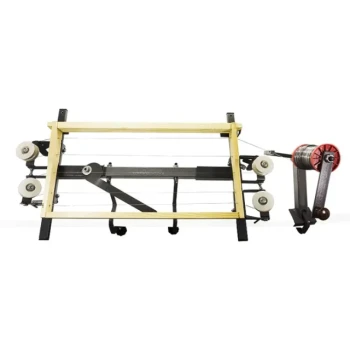
The definitive technical advantage of frame hives is the implementation of a movable frame system. This architecture allows for the non-destructive inspection of the colony and full compatibility with centrifugal extraction machinery. By preventing the destruction of the honeycomb during harvest, this system fundamentally alters the energy economics of the hive, leading to significantly higher yields and standardized production quality.
The core value of the frame hive lies in decoupling honey harvest from comb destruction. By preserving the wax infrastructure, producers drastically reduce the metabolic cost on bees to rebuild, shifting colony energy directly into maximizing honey production and allowing for precise biological management.
Maximizing Biological Efficiency
The Principle of Non-Destructive Harvesting
In traditional systems, harvesting honey requires destroying the honeycomb. Frame hives utilize a design compatible with centrifugal extractors, allowing honey to be spun out while leaving the wax structure intact. This ensures the physical integrity of the comb is preserved for immediate reuse.
Reducing Metabolic Overhead
Bees consume significant amounts of honey and energy to secrete the wax necessary for comb building. Because frame hives preserve the comb, the colony does not need to rebuild its internal structure after every harvest. This allows the bees to redirect their biological energy from construction to foraging and honey storage, directly increasing the yield per hive.
Optimized Storage Space
Modern frame hives often utilize "supers"—additional boxes added to the hive structure. This modularity allows beekeepers to expand the honey storage space dynamically based on flow conditions. This ensures the colony never halts production due to a lack of storage room.
Precision Colony Management
Enabling Deep Internal Inspection
The primary reference highlights that movable frames are essential for thorough internal inspections. Beekeepers can examine the brood nest without destroying it to monitor for pests, diseases, or queen health. This visibility allows for proactive interventions, such as artificial swarming or queen rearing, which are impossible in fixed-comb systems.
Standardization of Equipment
Frame hives, such as the Langstroth design, rely on standardized dimensions and interchangeable parts. This allows for the mass production of compatible equipment and simplifies the logistics of large-scale operations. It creates a controlled environment that is scientifically optimized for bee growth rather than relying on variable natural cavities.
Enhancing Product Quality
Purity and Clean Extraction
Because frames allow for the clear separation of honey stores from the brood (larvae) area, harvesting is cleaner. The mechanical extraction process reduces the risk of contaminating honey with brood fluids or debris. This results in higher purity and improved production standards.
Specificity and Sampling
Frame hives allow for the selective harvesting of specific frames. This is technically advantageous for producing monofloral honey or conducting scientific quality analysis. Beekeepers can isolate honey produced during specific bloom periods, ensuring consistency in sample origin and taste.
Understanding the Trade-offs
Equipment Dependence
While frame hives offer superior yields, they require a higher level of infrastructure. To fully realize the technical advantages, producers need access to centrifugal extraction machinery. Without this machinery, the primary benefit of comb preservation is lost.
Management Intensity
The "movable" nature of the frames implies an active management style. Unlike traditional hives which are often left alone until harvest, frame hives are designed for regular inspection. This increases the labor requirement and technical skill needed for daily management.
Making the Right Choice for Your Goal
To leverage the technical advantages of frame hives effectively, align your operational practices with your specific production targets:
- If your primary focus is Maximum Yield: Prioritize the use of centrifugal extractors and supering systems to eliminate comb rebuilding and prevent storage bottlenecks.
- If your primary focus is Colony Health: Utilize the movable frames for a rigorous schedule of internal inspections to manage swarming and mitigate disease early.
- If your primary focus is Product Quality: Use the modular nature of the hive to segregate honey frames from brood frames strictly, ensuring high purity and clear monofloral branding.
Frame hives transform beekeeping from a passive gathering activity into a controlled, scientifically manageable production system.
Summary Table:
| Technical Advantage | Primary Benefit | Operational Impact |
|---|---|---|
| Movable Frame System | Non-destructive inspection | Allows proactive disease & pest management |
| Centrifugal Compatibility | Comb preservation | Saves bee energy; reduces wax reconstruction costs |
| Modular Supering | Dynamic space expansion | Prevents storage bottlenecks during peak flows |
| Standardized Dimensions | Equipment interchangeability | Simplifies logistics for large-scale commercial apiaries |
| Brood Separation | High product purity | Minimizes contamination from larvae or debris |
Maximize Your Apiary’s Potential with HONESTBEE
Transitioning to high-efficiency frame hive systems is the key to scaling your honey production. HONESTBEE specializes in supporting commercial apiaries and distributors by providing the industry's most comprehensive wholesale range of beekeeping solutions.
From precision-engineered hive-making and honey-filling machines to a full spectrum of beekeeping tools and essential consumables, we supply everything needed to optimize your energy economics and product purity. Whether you are expanding a commercial operation or curating honey-themed cultural merchandise, our expertise delivers the competitive edge you need.
Ready to upgrade your production? Contact our expert team today to discover how our professional-grade equipment can transform your yields.
References
- Lotta Fabricius Kristiansen, Nguyen Van Niem. Development of<i>Apis cerana</i>Beekeeping in Rural Areas of Northern Vietnam 2009–2012. DOI: 10.1080/0005772x.2013.11417559
This article is also based on technical information from HonestBee Knowledge Base .
Related Products
- Wooden Bee Hive Frames for Beekeeping and Wholesale
- Plastic Bee Frame Beekeeping Hive Frames for Wholesale
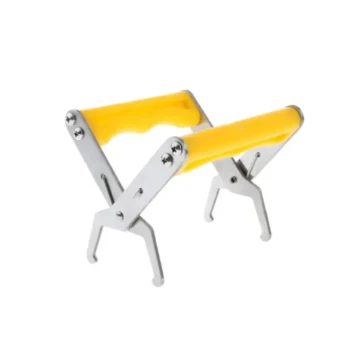
- Ergonomic High Visibility Plastic Frame Grip Handles
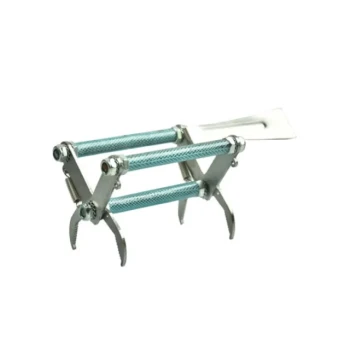
- Professional 3-Bar Frame Grip with Integrated Hive Tool
- Professional Galvanized Steel Frame Rest for Beehives
People Also Ask
- How does balancing the number of frames impact hive productivity? Optimize Your Apiary's Biological Output
- How do wooden and plastic hive frames compare in terms of durability? Wood vs. Plastic Longevity & Repairability
- What are the main considerations when choosing between wooden and plastic bee hive frames? Optimize Your Apiary's Efficiency
- How should beehive frames be maintained to prolong their lifespan? 5 Pro Tips for Durable Beekeeping Equipment
- What is the primary function of frames within a beehive system? Structural Foundation and Hive Management