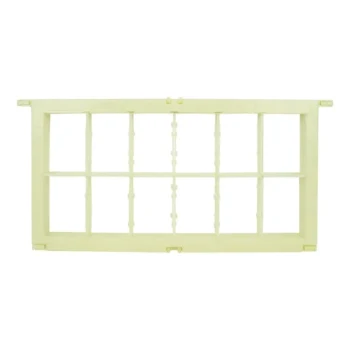
Specialized Doolittle Frames are engineered to maximize production density and standardization. These frames utilize precise dimensions, such as 34cm by 16cm, to securely hold dozens of artificial queen cell bowls within a single breeding hive. This design shifts queen rearing from a manual, low-volume task to a high-efficiency operation capable of significantly increasing royal jelly output and queen cell yields.
By standardizing the internal architecture of the hive, Doolittle Frames allow beekeepers to convert limited space into a high-capacity nursery, decoupling production volume from the need to physically expand the apiary footprint.
Maximizing Hive Density
The primary advantage of the specialized Doolittle Frame is its ability to optimize the internal volume of a breeding hive.
Standardized Proportions
These frames often feature standardized dimensions (e.g., 34cm by 16cm). This specific sizing ensures the frame fits securely within the hive while providing the exact surface area needed to support multiple cell bars.
High-Volume Cultivation
Unlike traditional methods that may support only a few cells, this structure is designed to hold dozens of artificial queen cell bowls simultaneously. This allows a single colony to rear a significantly higher number of queens or produce more royal jelly per unit.
Double-Bar Structures
Many grafting frames utilize a double-bar structure. This configuration increases the density of queen cell strips, optimizing how nursing resources are allocated across a larger number of larvae without overcrowding the hive.
Streamlining Operational Workflow
Beyond spatial efficiency, the design of the Doolittle system addresses the labor bottlenecks inherent in queen rearing.
Modular Cell Bars
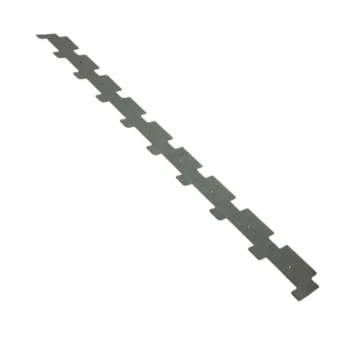
The frames are designed to carry specialized cell bars with pre-spaced notches. This allows cups to be molded directly onto the bar, eliminating the labor-intensive process of manually bonding individual cups to wooden bases.
Simplified Harvesting
The specialized cell bars often feature a segmented design. When the queen cells are mature, the beekeeper can simply bend the bar to separate the cells. This greatly simplifies grafting and colony management, reducing the risk of damaging the delicate cells during transfer.
Inspection and Transport
Because these frames serve as a modular foundation (often compatible with standard Langstroth dimensions), they simplify the inspection process. Technicians can easily lift, inspect, and transport large batches of cells without disturbing the rest of the colony.
Enhancing Biological Success
The physical design of the frame contributes directly to the biological success of the larvae and the quality of the resulting queens.
Simulated Natural Environments
The system utilizes specialized molds that mimic a natural environment for one-day-old larvae. When combined with the pre-application of royal jelly, this design significantly increases the acceptance and survival rates of grafted larvae.
Standardized Larval Positioning
By securing the molds in a fixed, standardized position, the frame ensures every larva receives equal attention from nurse bees. This facilitates the uniform production of high-quality queens rather than variable results common in less structured methods.
Understanding the Trade-offs
While specialized Doolittle Frames offer high efficiency, they introduce specific management challenges that must be addressed.
Resource Depletion Risks
The primary risk is overloading the nurse bees. Because the frame allows for such high density, there is a danger that the colony cannot produce enough royal jelly to feed dozens of larvae adequately, potentially resulting in smaller, lower-quality queens.
Rigid Management Requirements
High-density rearing requires strict adherence to schedules. The use of specialized starter and finisher hives becomes critical to ensure the nutritional environments match the developmental phases of the high volume of larvae.
Making the Right Choice for Your Goal
To best utilize specialized Doolittle Frames, align the configuration with your specific production targets.
- If your primary focus is maximum volume (Royal Jelly/Queens): Utilize frames with a double-bar structure to maximize the density of cell strips within your strongest colonies.
- If your primary focus is labor efficiency: Prioritize systems with segmented cell bars to eliminate manual bonding and simplify the separation of mature cells.
- If your primary focus is queen quality: Use the standardized frame but limit the number of active cells per bar to ensure every larva receives an abundance of royal jelly.
Success with Doolittle Frames comes not just from the hardware, but from balancing the frame's high capacity with the biological limits of your nurse bees.
Summary Table:
| Feature | Design Advantage | Operational Impact |
|---|---|---|
| Standardized Dimensions | Fits secure 34cm x 16cm frames | Maximizes internal hive volume and nursery capacity. |
| Double-Bar Structure | Holds dozens of queen cell bowls | Significantly increases royal jelly and queen production per colony. |
| Modular Cell Bars | Pre-spaced notches and segmented bars | Eliminates manual bonding; simplifies cell harvesting and transfer. |
| Standardized Positioning | Fixed, uniform larval placement | Ensures equal nurse bee attention for higher acceptance rates. |
| Compatibility | Standard Langstroth integration | Simplifies inspection and transport without disturbing the colony. |
Scale Your Queen Rearing Success with HONESTBEE
Ready to transform your apiary into a high-efficiency production hub? HONESTBEE specializes in empowering commercial apiaries and distributors with the professional tools needed to lead the industry. From high-density Doolittle Frames and specialized queen rearing kits to advanced honey-filling machines and hive-making hardware, we provide the full spectrum of equipment and consumables tailored for your growth.
Partner with HONESTBEE today to access:
- Precision Machinery: Modernize your workflow with our specialized beekeeping hardware.
- Wholesale Efficiency: Bulk supplies of essential consumables at competitive rates.
- Industry Expertise: Solutions designed specifically for high-volume commercial operations.
Contact Us to Upgrade Your Equipment
References
- Elisabeth Jeini Hermi Toar, Joice J.I. Rompas. Developing Pollinating Insects Bees Honey Apis cerana by applying the Doolittle Method (Queen Rearing). DOI: 10.36378/juatika.v7i1.4106
This article is also based on technical information from HonestBee Knowledge Base .
Related Products
- Wooden Bee Hive Frames for Beekeeping and Wholesale
- JZBZ Langstroth Queen Rearing Frame for Beekeeping
- Professional Sectional Comb Honey Frame with 250g Cassette System for Beekeeping
- Heart-Shaped Comb Honey Frame and Honeycomb Cassette
- Assembled Wooden Bee Frames with Plastic Foundation for Durability and Convenience by HONESTBEE
People Also Ask
- How do wooden and plastic hive frames compare in terms of durability? Wood vs. Plastic Longevity & Repairability
- How does balancing the number of frames impact hive productivity? Optimize Your Apiary's Biological Output
- What are the main considerations when choosing between wooden and plastic bee hive frames? Optimize Your Apiary's Efficiency
- How should beehive frames be maintained to prolong their lifespan? 5 Pro Tips for Durable Beekeeping Equipment
- How are plastic frames different from traditional wooden frames? Choose the Right Frame for Your Apiary