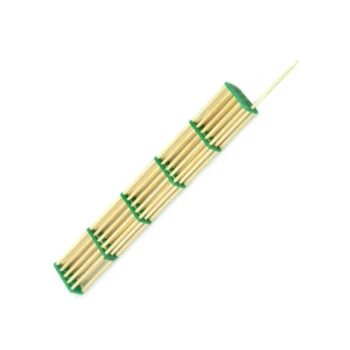
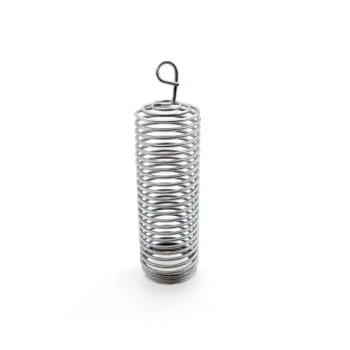
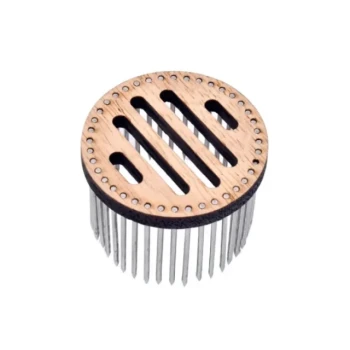
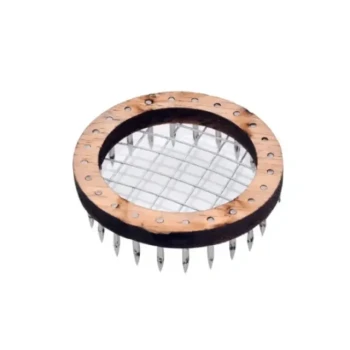
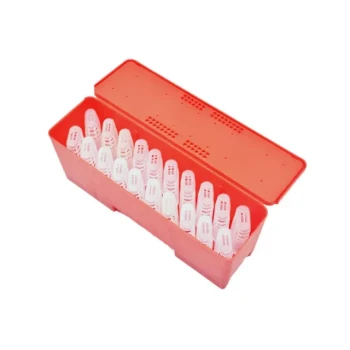
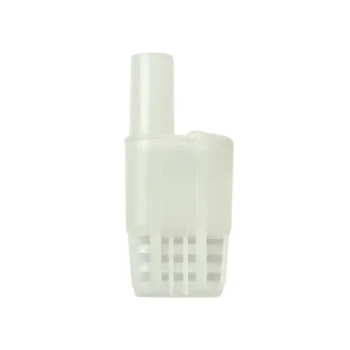
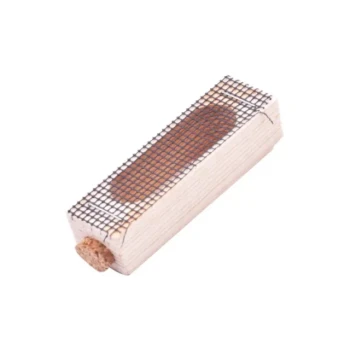
Custom laboratory bee cages are designed primarily around a metal mesh structure that simultaneously prevents escape while ensuring optimal ventilation and air exchange. These units must be integrated with automatic feeders that provide a continuous supply of sugar syrup to simulate natural feeding conditions.
The fundamental goal of laboratory cage design is to eliminate nutritional stress and environmental inconsistency as variables. By standardizing the environment, you ensure that any observed mortality or physiological changes are strictly due to the toxicity of the test substance, not poor husbandry.
Structural Integrity and Environmental Control
To maintain a valid control group and accurate test groups, the physical enclosure must balance security with life support.
The Role of Metal Mesh
The primary material choice for these cages is metal mesh. This material provides the necessary rigidity to contain the bees securely, preventing test subjects from escaping and contaminating other groups or the laboratory environment.
Optimizing Ventilation
Beyond containment, the mesh structure facilitates continuous air exchange. Proper ventilation is critical to prevent humidity buildup and respiratory issues, which could artificially shorten the bees' lifespan during the study.
Nutritional Consistency
In toxicity testing, a starving bee is a compromised data point. The feeding system is the most critical active component of the cage design.
Automating the Food Supply
Cages should be equipped with automatic feeders. Unlike manual feeding, which can cause fluctuations in availability, automatic systems ensure the food source is constant and reliable.
Simulating Natural Abundance
The automatic feeders deliver a continuous supply of sugar syrup. This mimics a natural, resource-rich environment, ensuring the bees remain chemically and physiologically stable throughout the duration of the test.
Eliminating Nutritional Stress
By guaranteeing constant access to nutrition, you remove nutritional stress from the equation. This ensures that the data collected specifically reflects the effects of the test substance (such as Bifidobacterium extracts) rather than the effects of hunger or dehydration.
The Importance of Standardization
While the primary reference focuses on the physical cage, the principles of standardized testing (highlighted in broader hive management) apply here to ensure statistical validity.
Minimizing Biological Variance
Just as standardized hives ensure uniformity in the field, laboratory cages must be identical in structure and resource access. This minimizes biological variance between test groups.
Statistical Clarity
When cage design is uniform, researchers can confidently attribute results to the test substance. This makes it easier to statistically identify the specific effects of compounds—whether beneficial extracts or potential toxins like glyphosate—rather than artifacts of the housing structure.
Understanding the Trade-offs
Designing for total control involves balancing competing requirements.
Ventilation vs. Desiccation
While the metal mesh ensures excellent air exchange, excessive ventilation in a dry laboratory environment can lead to desiccation (drying out). Researchers must monitor ambient humidity carefully to ensure the mesh does not accelerate dehydration.
Automation vs. Observation
Automatic feeders reduce labor and nutritional stress, but they can occasionally mask issues with individual bees' feeding behavior. Reliance on automation requires a design that still permits visual verification that the syrup is being consumed.
Making the Right Choice for Your Goal
Select your cage design based on the specific requirements of your toxicity protocol.
- If your primary focus is isolating a specific toxin: Prioritize automatic feeders to completely rule out nutritional stress as a contributing factor to mortality.
- If your primary focus is long-term study duration: Ensure the metal mesh gauge offers maximum ventilation without allowing pollen substitutes or smaller bee castes to escape.
A well-designed cage is not just a container; it is a scientific instrument that ensures data integrity.
Summary Table:
| Feature | Design Requirement | Purpose in Toxicity Testing |
|---|---|---|
| Structural Material | High-rigidity Metal Mesh | Ensures secure containment while allowing maximum air exchange. |
| Ventilation | Continuous Airflow | Prevents humidity buildup and respiratory stress during studies. |
| Feeding System | Integrated Automatic Feeders | Eliminates nutritional stress by providing a constant sugar syrup supply. |
| Environment | Standardized Dimensions | Minimizes biological variance to ensure statistical data clarity. |
| Observation | Visual Transparency | Permits researchers to verify consumption and monitor bee behavior. |
Elevate Your Research with Professional Beekeeping Solutions
At HONESTBEE, we understand that precision in the lab starts with high-quality equipment. Whether you are a commercial apiary, a research distributor, or an industrial honey producer, we provide the comprehensive wholesale solutions you need to succeed. Our portfolio spans from specialized hive-making and honey-filling machinery to essential industry consumables and high-durability beekeeping tools.
Partner with us to secure the reliable equipment your business deserves. Contact HONESTBEE today to discuss our custom wholesale offerings and discover how our expertise can streamline your operations.
References
- Mustafa Ersal, H. Tansel Yalçın. Assessing the antiparasitic potential of Bifidobacterium sp. Ersapi20 isolated from the cuticle of honeybees against Varroa destructor Oudemans, 1904 (Acari: Varroidae). DOI: 10.16970/entoted.1497693
This article is also based on technical information from HonestBee Knowledge Base .
Related Products
- Professional Bamboo Queen Isolation Cage
- Durable Galvanized Steel Spring Queen Bee Cage
- Professional Queen Bee Introduction and Transport Cage
- Professional Multi-Functional Queen Bee Cage
- Plastic Long Marker Device for Catching and Marking Bees Queen Bee Marking Tube and Cage
People Also Ask
- Why are specialized queen bee cages used for the banking of mated queen bees? Maximize Commercial Apiary Storage Efficiency
- What is the mechanism of action for using temporary queen bee cages? Master Successful Queen Introduction
- How does the side ventilation design of a queen bee cage impact the safety of the queen during long-distance transport?
- What should you do if the queen is still in the cage and the worker bees have not accepted her? Protect Your Colony from Queen Rejection
- What technical precaution must be taken regarding the mesh or grill side of a queen bee cage? Ensure Queen Survival