Beekeepers primarily utilize three main categories of hand protection: heavy-duty leather, flexible soft leather, and thin synthetic exam gloves. While traditional leather offers maximum armor against stings, many apiarists are increasingly adopting nitrile or goatskin options to prioritize the manual dexterity required for safe and precise hive inspections.
The ideal beekeeping glove strikes a delicate balance between sting prevention and tactile sensitivity. While thick materials offer a sense of security, they limit dexterity, often leading to clumsy handling that can inadvertently agitate the bees.
Heavy-Duty Protection Options
Cowhide Leather and Canvas
Traditional beekeeping gloves are often constructed from thick cow leather or heavy cotton canvas. These materials provide the highest level of protection against stings, creating a nearly impenetrable barrier for the hands.
However, this protection comes at a cost. Cowhide is cumbersome and significantly limits your ability to feel what you are touching. This loss of tactile feedback can make handling frames difficult and increases the likelihood of accidental clumsiness.
Goatskin Leather
Goatskin serves as a superior alternative to cowhide for many beekeepers. It is naturally thinner and more flexible than cow leather, offering a practical compromise.
With goatskin, you retain a high level of sting protection but gain significantly better dexterity. This allows for more precise movements while still safeguarding your hands from defensive colonies.
Extended Cuffs
Regardless of the leather type, many of these gloves feature long gauntlets. These cuffs typically extend to the elbows, usually made of canvas or leather, to ensure there are no gaps between the glove and the beekeeping suit.
High-Dexterity Synthetic Options
Nitrile Exam Gloves
Surprisingly, standard nitrile exam gloves have become a favorite among experienced beekeepers. While thin, nitrile is synthetic rubber that offers decent puncture resistance and a very snug fit.
The primary advantage is dexterity. Nitrile allows you to handle equipment with precision, minimizing the risk of crushing bees. Additionally, the smooth texture helps disguise the scent and texture of human skin, which can make bees less likely to sting the hand in the first place.
Latex Gloves
Latex gloves offer the highest level of flexibility and sensitivity. They allow the beekeeper to feel the texture of the comb and even the temperature of the hive components, providing valuable feedback during an inspection.
However, latex is generally less puncture-resistant than nitrile. There is also the consideration of latex allergies, which makes them unsuitable for some users.
Understanding the Trade-offs
The Protection vs. Agitation Paradox
The most common pitfall for beginners is assuming that thicker gloves are always safer. While they protect the wearer from stings, thick gloves reduce sensory feedback.
If you cannot feel the bees, you are more likely to crush them while moving frames. Crushing bees releases alarm pheromones, which can trigger a defensive reaction in the rest of the colony. Therefore, bulky gloves can sometimes cause the very aggression you are trying to avoid.
The Role of Confidence
Despite the dexterity issues, heavy gloves play a critical psychological role. Bees can detect nervousness, such as shaky or fumbling hands.
For a beginner, the confidence provided by heavy leather is essential. It prevents the panic that leads to accidents. As you build confidence and remain calm, you can graduate to thinner materials like nitrile or goatskin to improve your technique.
Making the Right Choice for Your Goal
Selecting the right gear depends heavily on your experience level and the temperament of your specific colony.
- If your primary focus is maximum protection (Beginner): Choose cowhide or heavy leather gloves with elbow-length cuffs to build confidence and eliminate the fear of stings.
- If your primary focus is balanced performance: Opt for goatskin gloves, which offer reliable protection while allowing enough flexibility to handle frames gently.
- If your primary focus is precision and hygiene: Use nitrile exam gloves for routine inspections to maximize dexterity and keep hands clean, but keep a pair of leather gloves nearby for emergencies.
The ultimate goal of beekeeping gear is not just to protect you, but to allow you to work so smoothly that the bees hardly notice you are there.
Summary Table:
| Glove Type | Material | Key Advantage | Best For |
|---|---|---|---|
| Heavy-Duty | Cowhide / Canvas | Maximum sting protection | Beginners & Aggressive Hives |
| Mid-Range | Goatskin Leather | Balanced protection & flexibility | General Apiary Maintenance |
| High-Dexterity | Nitrile / Latex | Superior tactile sensitivity | Experienced Beekeepers & Queen Handling |
| Extended Cuff | Canvas / Leather | No gaps between glove and suit | Total Arm Protection |
Upgrade Your Apiary Efficiency with HONESTBEE
At HONESTBEE, we understand that the right gear is the foundation of a successful beekeeping operation. As a premier partner for commercial apiaries and distributors, we provide a comprehensive wholesale range of professional-grade tools. From high-dexterity goatskin gloves to advanced hive-making and honey-filling machinery, our portfolio is designed to enhance your productivity and safety.
Why choose HONESTBEE?
- Comprehensive Supply: Access everything from essential industry consumables to specialized hardware.
- Commercial Scalability: Wholesale solutions tailored to the needs of large-scale operations and retailers.
- Quality & Expertise: Equipment built to withstand the rigors of professional beekeeping.
Ready to equip your business with the industry's best? Contact us today to explore our wholesale catalog!
Related Products
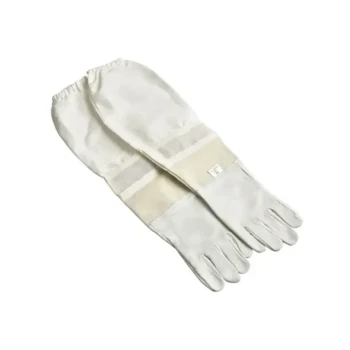
- Beekeeping Gloves Goatskin Leather with Long Cotton Sleeve for Beekeepers
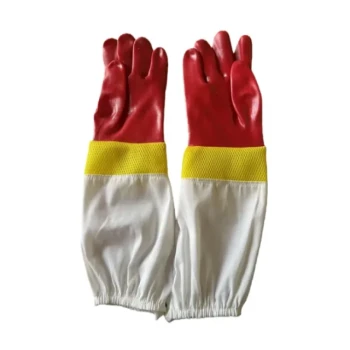
- Heavy Duty Red Rubber Beekeeping Gloves with Vented Mesh Cotton Sleeves
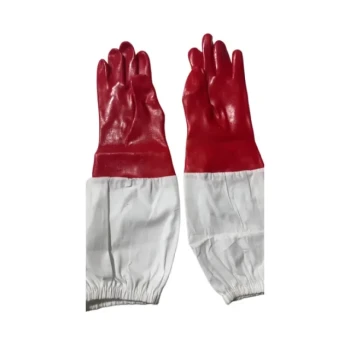
- Heavy Duty Red Rubber Beekeeping Gloves with Extended Pure Cotton Sleeves for Beekeepers
- Goatskin Leather Beekeeper Gloves with Vent Long Sleeve for Beekeeping Honey Bee Sting Proof Protection
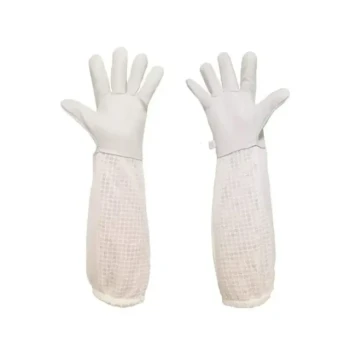
- Premium Ventilated Goatskin Beekeeping Gloves with Full 3-Layer Mesh Sleeve
People Also Ask
- What are the characteristics of the best gloves for beekeeping? Choose Protection & Dexterity
- What are the primary purposes of using beekeeping gloves? Protect Your Hands and Ensure Apiary Hygiene
- What types of gloves are available for beekeeping? Choose the Right Protection for Your Hive
- Why is it important for beekeepers to wear gloves? Essential Safety and Confidence for Hive Management
- Why do some experienced beekeepers opt not to wear gloves? Discover the Benefits of Tactile Precision