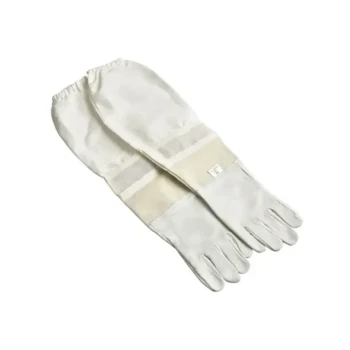
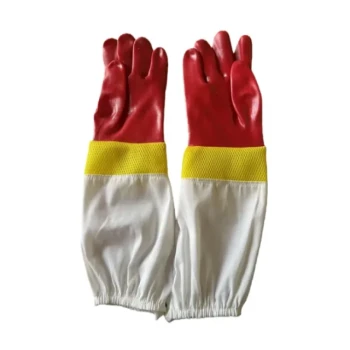
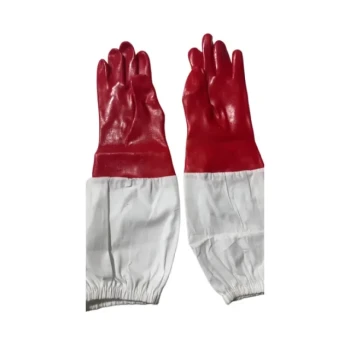
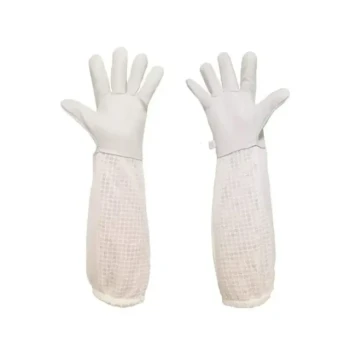
Professional beekeeping protective gear relies on four essential components to ensure safety: full-body overalls, a protective veil, heavy-duty gloves, and long boots. These elements function collectively as a physical barrier, specifically designed to withstand the intense defensive behavior of aggressive honeybee species, such as African honeybees, while allowing the operator to work efficiently.
Core Takeaway While the immediate function of this gear is to prevent stings, its deeper operational value is the preservation of operator composure. By neutralizing the physical threat of aggressive colonies, the gear allows beekeepers to execute delicate tasks with precision and confidence, preventing injury to themselves and minimizing stress on the hive.
The Anatomy of Professional Defense
To manage aggressive species effectively, every area of exposed skin must be shielded.
Full-Body Isolation
Overalls (or specialized suits) serve as the primary line of defense. They cover the majority of the body, providing a consistent barrier that prevents bees from making direct contact with the skin during hive inspections or harvesting.
Cranial Protection
The veil is critical for shielding the face and eyes, which are vulnerable targets for defensive bees. It offers high-visibility protection, ensuring the beekeeper can see clearly to identify queens or assess comb health without risking facial stings.
Extremity Security
Gloves protect the hands, which are always in closest proximity to the colony, while long boots seal the gap at the ankles. This is vital because aggressive bees often target the lower legs or crawl upwards if pants are not properly tucked or covered.
Operational Functions in High-Risk Zones
Beyond simple safety, professional gear serves specific functional roles in colony management.
Enabling "Peak Flow" Operations
Aggressive species are often most defensive during peak nectar flows or when harvesting is done at night. Comprehensive gear allows beekeepers to operate during these optimal but high-risk windows without fear of serious injury.
Facilitating Precision and Efficiency
Protective clothing ensures that technicians can maintain composure. When the fear of stings is removed, operators can perform complex tasks—such as colony division or swarm prevention—with the steady hands required to avoid crushing bees.
Protecting the Livestock
Effective gear indirectly protects the bees. By allowing the beekeeper to remain calm, they can use tools like bee brushes to gently remove bees from combs, preserving the population density and reducing the hive's overall stress response.
Understanding the Trade-offs
While protective gear is non-negotiable when dealing with aggressive species, it introduces specific operational challenges.
Dexterity vs. Protection
Thick gloves provide maximum safety but can reduce tactile sensitivity. Beekeepers must consciously work to maintain dexterity, as clumsy handling can accidentally crush bees or damage queen cells, triggering further aggression from the colony.
Physical Barrier Limitations
The gear is a barrier, not a magical shield. It requires proper maintenance and correct usage (such as tucking pants into boots) to remain effective. A single gap in the armor can compromise the safety of the entire operation when dealing with determined, defensive bees.
Making the Right Choice for Your Goal
When selecting or utilizing protective gear for aggressive apiaries, align your equipment with your specific operational focus.
- If your primary focus is harvesting or night operations: Prioritize long boots and heavy-duty overalls to create an impenetrable seal against the heightened defensiveness of the colony.
- If your primary focus is colony management (splitting/breeding): Ensure your gloves and veil offer the optimal balance of protection and visibility to allow for precise, gentle manipulation of frames and livestock.
Invest in gear that allows you to work with confidence, as your composure is the single greatest tool for managing aggressive hives safely.
Summary Table:
| Component | Primary Function | Operational Benefit |
|---|---|---|
| Full-Body Overalls | Complete skin isolation | Prevents direct contact; allows high-risk harvesting |
| Protective Veil | Shields face and eyes | High visibility for queen identification and health checks |
| Heavy-Duty Gloves | Protects hands/wrists | Enables safe handling of frames during peak nectar flows |
| Long Boots | Seals lower extremities | Blocks bees from crawling up legs; ensures total closure |
Elevate Your Apiary Safety with HONESTBEE Professional Gear
Protect your workforce and enhance operational efficiency with HONESTBEE. As a premier wholesale partner for commercial apiaries and distributors, we provide the full spectrum of professional beekeeping tools, machinery, and protective equipment. Whether you are managing aggressive species or scaling production, our comprehensive portfolio—ranging from heavy-duty protective suits to advanced honey-filling machines—is designed to meet the rigorous demands of the industry.
Maximize your productivity and protect your livestock today.
Contact HONESTBEE for Wholesale Inquiries
References
- Sawadogo Souhaïbou, Zakaria Ilboudo. Beekeeping in Burkina Faso: A Survey on Local Knowledge and Practices in a Context of Global Decline in Honeybees. DOI: 10.4236/ae.2025.133018
This article is also based on technical information from HonestBee Knowledge Base .
Related Products
- Premium Cowboy Beekeeper Hat with Visibility Veil Outdoor Professional Beekeeping Protective Gear
- Premium Cotton Beekeeper Suit with Reinforced Fencing Veil
- White Cotton Beekeeping Jacket and Veil for Bee Keepers
- Beekeeping Gloves Goatskin Leather with Long Cotton Sleeve for Beekeepers
- Beekeeping Jacket with Hood and Veil for Beekeepers
People Also Ask
- What design features contribute to the stability and fit of the beekeeper hat? Key Features for Maximum Hive Safety
- How is the beekeeper hat designed for comfort and practicality? Explore Key Features for Enhanced Apiary Safety
- What is the general protective gear recommendation for new beekeepers? Your Essential Beginner's Safety Guide
- How does beekeeping protective gear facilitate the queen bee selection process? Enhancing Precision in Queen Breeding
- What should beekeepers consider when choosing protective gear? A Guide for Maximum Safety & Comfort