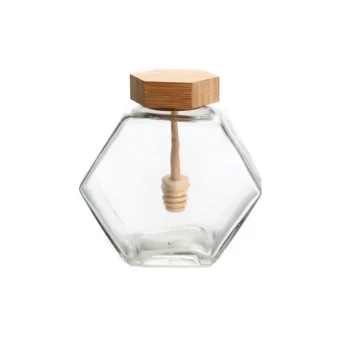
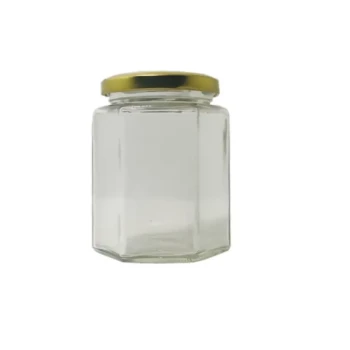
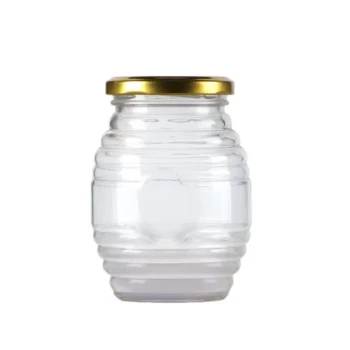
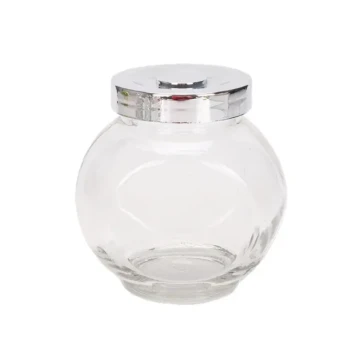
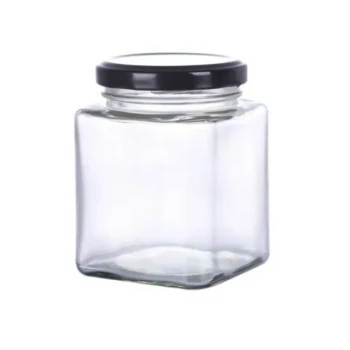
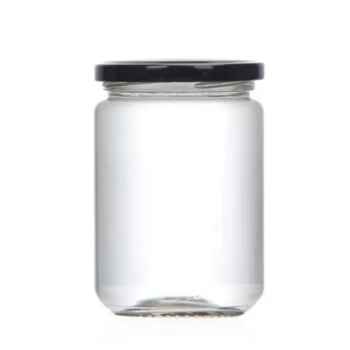
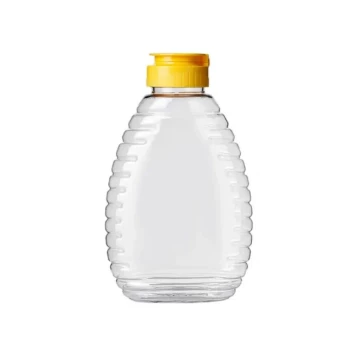
For strict food safety and long-term quality preservation, glass is the superior material for honey storage. While certified food-grade plastic is a viable option for shipping and short-term use, glass provides a non-permeable, non-reactive barrier. This effectively eliminates the risk of chemical leaching and prevents environmental moisture from compromising the honey.
Glass acts as a chemically inert vault, offering a superior barrier against moisture, oxygen, and odors while eliminating the risk of chemical migration. While professional-grade plastic is functional for transport, glass remains the definitive standard for maintaining honey's purity, flavor, and chemical stability over time.
Chemical Stability and Purity
The Risk of Leaching
Plastic containers, even when food-grade, carry a potential risk of chemical leaching over extended periods. Glass is non-toxic and chemically inert, eliminating the risk of synthetic substances migrating into the honey and posing health concerns.
Reactivity with Acidic Compounds
Honey naturally contains acidic substances and aromatic compounds. Glass does not react with these elements, ensuring the honey's chemical profile remains unaltered. Plastic is more susceptible to subtle chemical interactions that can degrade the honey's original flavor profile.
The Barrier Against Spoilage
Preventing Fermentation
Honey is hygroscopic, meaning it naturally absorbs moisture from the air. If the water content rises too high, honey can ferment. Glass offers superior airtightness, creating an absolute barrier that prevents moisture intrusion and ensures the honey remains stable.
Blocking Gas Exchange
Oxygen exposure leads to oxidative browning and flavor degradation. Glass bottles possess superior barrier properties that effectively prevent gas exchange. This maintains the physical and chemical indicators of the honey, keeping it fresh for longer durations.
Odor Absorption
Honey is highly susceptible to absorbing external odors, which ruins its quality. Glass is impermeable to environmental pollutants and smells. This ensures the flavor you taste is exactly what the bees produced, not the environment the jar was stored in.
Physical Integrity and Inspection
Visual Safety Checks
The high transparency of glass is a functional safety feature, not just an aesthetic one. It allows for immediate visual inspection of the honey's quality, color, and crystallization state without opening the container.
Resistance to Degradation
Plastic is prone to scratching over time, creating microscopic crevices where bacteria could theoretically hide, and it degrades under UV exposure. Glass is durable, resistant to scratching, and does not degrade, maintaining a sanitary surface indefinitely.
Temperature Resilience
Glass is less affected by extreme temperatures than plastic. This protects the honey during fluctuations in storage conditions, whereas plastic may warp or release chemicals when exposed to heat.
Understanding the Trade-offs
The Breakage Factor
The primary food safety risk associated with glass is physical breakage. Unlike plastic, which can withstand impact, glass requires careful handling to prevent shattering and the subsequent contamination of the product with shards.
Plastic's Role in Transport
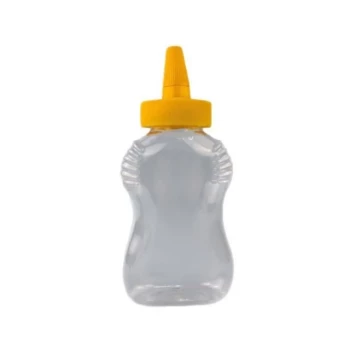
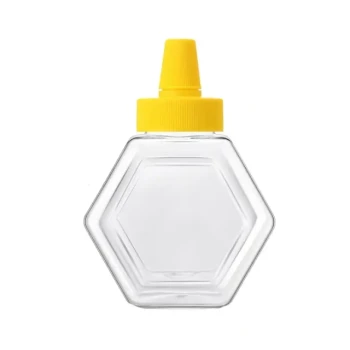
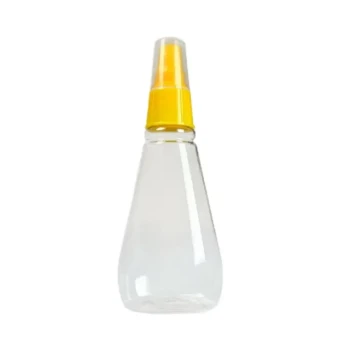
While glass is superior for static storage, professional-grade plastic is often preferred for shipping. Its superior sealing properties (in specific professional designs) and resistance to breakage make it a pragmatic choice for logistics, provided the storage duration is limited.
Making the Right Choice for Your Goal
Select your storage material based on the intended lifecycle of the honey.
- If your primary focus is long-term storage or premium quality: Choose glass to ensure zero chemical leaching, complete moisture protection, and preservation of the original flavor profile.
- If your primary focus is shipping or high-volume transport: Choose certified food-grade plastic to minimize breakage risks and reduce weight, while relying on professional sealing to mitigate moisture absorption.
Ultimate security lies in the inert nature of glass; it preserves honey exactly as nature intended.
Summary Table:
| Feature | Glass Storage | Plastic Storage |
|---|---|---|
| Chemical Stability | Chemically inert; zero leaching risk | Potential for chemical migration over time |
| Moisture Barrier | Absolute airtight seal; prevents fermentation | Semi-permeable; risk of moisture intrusion |
| Odor Resistance | Does not absorb external odors | May absorb environmental pollutants |
| Durability | Fragile; high risk of breakage | Impact-resistant; preferred for logistics |
| Best Use Case | Long-term storage & premium branding | Short-term transport & high-volume shipping |
Partner with HONESTBEE for Professional Beekeeping Solutions
As a leading supplier for commercial apiaries and distributors, HONESTBEE offers a comprehensive wholesale portfolio to scale your production. Whether you need high-precision honey-filling machines designed for glass jars or durable hive-making equipment, we provide the full spectrum of beekeeping tools and essential industry consumables.
Our Value to You:
- Complete Equipment Solutions: From specialized machinery to honey-themed cultural merchandise.
- Commercial-Grade Quality: Reliable hardware designed for industrial honey processing and storage.
- Wholesale Efficiency: Streamlined supply chains for all your beekeeping and packaging needs.
Ready to upgrade your apiary’s efficiency or expand your distribution inventory? Contact HONESTBEE Today to discuss our bulk offerings and custom solutions.
Related Products
- Stainless Steel Honey Storage Tank with Lid for Honey
- Stainless Steel Honey Storage and Settling Tank with Double Strainer
- Hexagonal Glass Honey Jar with Wooden Lid Integrated Dipper Elegant Functional Storage
- Professional Honey Storage Tank with Agitation System
- Hexagonal Glass Honey Jars with Metal Lug Caps Elegant Versatile Packaging
People Also Ask
- What economic role do honey storage tanks play? Boost Your Revenue Through Strategic Inventory Management
- What roles do industrial honey storage tanks and filtration meshes play in processing? Ensure Purity & Consistency
- What is the purpose of a honey storage tank? Streamline Your Honey Processing for Quality & Efficiency
- What are honey storage tanks used for? Essential Features for Quality Preservation and Profit
- How do large honey storage tanks and gravity fall filling systems improve honey packaging efficiency and safety?