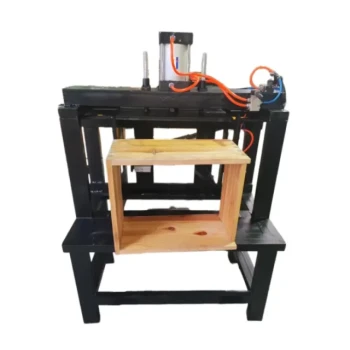
Moveable bee hives fundamentally transform beekeeping from a static, localized practice into a dynamic, high-yield industry. Unlike traditional fixed hive boxes that restrict a colony to a single geographic location, moveable hives allow beekeepers to physically relocate colonies to follow seasonal flowering patterns, thereby enabling multiple harvest cycles annually and significantly increasing total production efficiency.
Core Takeaway: By decoupling the colony from a fixed location, moveable hives enable a migratory management model that capitalizes on nectar flows across different regions. This mobility, combined with standardized internal components, allows for industrial-scale mechanical handling, precision health monitoring, and exponentially higher honey yields compared to stationary, traditional methods.
The Strategic Advantage of Migratory Management
Chasing the Bloom
The primary functional advantage of moveable hives is the support for a migratory management model. Beekeepers can relocate colonies based on seasonal changes to target specific nectar sources and flowering periods.
While fixed hives are limited to the flora in one specific area, moveable hives allow bees to collect honey multiple times a year. This capability drastically increases the total annual honey yield compared to the single-location collection characteristic of traditional boxes.
Optimizing for Microclimates
Modern hive design facilitates long-distance transfers between high-altitude regions and areas with specific microclimates. This flexibility ensures colonies remain productive even when local conditions in their original location would otherwise signal a dormant period.
Standardization and Operational Efficiency
Mechanical Handling and Logistics
Modern hives feature a standardized structural design that is critical for large-scale operations. This uniformity allows for stable stacking on transport vehicles, making the logistics of moving hundreds of hives feasible and safe.
Interchangeability of Components
Professional hive-making machinery ensures that box dimensions are highly consistent. This precision allows for the interchangeability of components, reducing unit production costs and ensuring that equipment can be easily replaced or expanded without compatibility issues.
Improved Inspection Capabilities
The structure of moveable hives allows technicians to monitor colony status with high precision. Beekeepers can perform routine inspections during overwintering and spring maintenance, significantly improving the overall management efficiency of the apiary.
Colony Health and Yield Maximization
Non-Destructive Harvesting
A critical technical advantage is the ability to harvest without destroying the colony or its infrastructure. The design allows for the removal of individual frames for honey extraction, preserving the colony's stability and workforce.
Resource Conservation via Comb Reuse
Movable-frame hives allow for the reuse of honeycombs multiple times. Because honeybees are not forced to secrete new wax to rebuild combs after every harvest—a highly energy-intensive process—they can redirect that energy toward nectar collection, further boosting honey production.
Purity and Pest Management
Advanced hive configurations, such as the Improved Box Hive, effectively separate the brood chamber from honey supers. This separation ensures the production of pure honey free from pollen, larvae, or debris, while simultaneously facilitating easier pest and disease management.
Understanding the Trade-offs
Thermal Insulation Differences
While moveable hives excel in efficiency and yield, traditional designs like Log Hives offer distinct physical advantages in specific contexts. Traditional hives often utilize thick natural timber walls that provide superior thermal insulation.
This insulation protects colonies from extreme temperature fluctuations more effectively than standard commercial boxes. In scenarios where strict preservation of wild species in harsh climates is the priority over honey yield, the "primitive" insulation of a fixed log hive may offer a more stable physical habitat.
Making the Right Choice for Your Goal
To maximize the potential of your apiary, align your equipment choice with your specific operational objectives.
- If your primary focus is maximizing annual commercial yield: Adopt standardized moveable hives to enable migratory practices and multiple harvests per season.
- If your primary focus is operational scalability: Prioritize precision-machined hives that support mechanical stacking and component interchangeability to lower labor and maintenance costs.
- If your primary focus is product purity: Utilize hives with separate brood chambers and honey supers to prevent contamination from larvae and pollen.
Transitioning to moveable hives is not just an upgrade in equipment; it is a shift toward a data-driven, logistics-focused approach to beekeeping.
Summary Table:
| Feature | Moveable Bee Hives | Traditional Fixed Hives |
|---|---|---|
| Mobility | High (Migratory management) | None (Static location) |
| Annual Yield | Multiple harvests (Follows blooms) | Single location limited |
| Harvesting | Non-destructive (Frame reuse) | Often destructive to combs |
| Scalability | Standardized for mechanical handling | Difficult to scale |
| Colony Health | Easy precision monitoring | Hard to inspect internals |
| Insulation | Standard commercial grade | High (Thick natural timber) |
Scale Your Apiary with HONESTBEE Precision Solutions
Transitioning to a high-yield migratory model requires more than just a change in practice—it requires reliable, standardized equipment. HONESTBEE specializes in empowering commercial apiaries and distributors with the tools needed for industrial success.
From precision hive-making machinery and honey-filling systems to a complete spectrum of wholesale beekeeping tools and essential consumables, we provide everything your business needs to maximize production efficiency.
Ready to elevate your honey production? Contact HONESTBEE today for wholesale inquiries and expert equipment solutions.
References
- Ryo Kohsaka, Yuta Uchiyama. Beekeeping and honey production in Japan and South Korea: past and present. DOI: 10.1016/j.jef.2017.05.002
This article is also based on technical information from HonestBee Knowledge Base .
Related Products
- Professional Grade Foldable Beehive Handles
- Professional Reversible Beehive Hive Entrance
- Ergonomic Two Person Foldable Hive Lifter
- Multi-Functional Sliding Hive Entrance for Beekeeping
- Metal Hive Feet Bee Hive Stand for Ant Protection
People Also Ask
- How do bee hive handles facilitate the evaluation of food stores? Use the Lift Test for Winter Survival
- How do the geometry and dimensions of hive handles influence operational safety and control? Expert Design Insights
- What is a bee hive tool? Discover Why It’s the Most Essential Hand Tool for Every Beekeeper
- What are the common sizes and features of bee hive tools? Choose the Right Tools for Your Apiary
- What is the role of professional hive tools in routine apiary maintenance? Expert Tips for Hive Health and Longevity