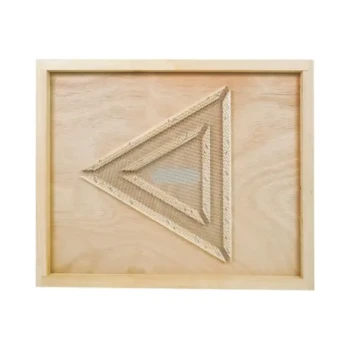
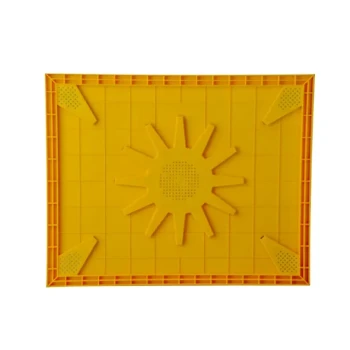
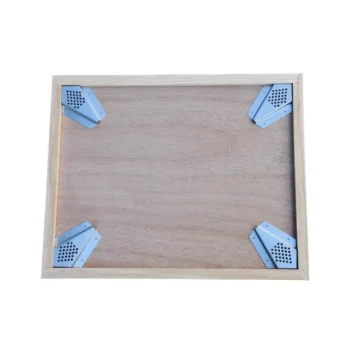
A screened bottom board functions as the multi-purpose foundation and climate control system of a beehive. Its primary roles are to support the full weight of the hive structure, improve ventilation during hot weather, and act as a mechanical barrier against pests. Unlike a solid floor, it uses a mesh grid to separate the colony from the ground while maintaining a secure entrance.
While a standard bottom board acts merely as a floor, a screened bottom board is an active management tool. It creates a healthier internal environment by maximizing airflow and allowing parasites to fall out of the colony rather than accumulating inside.
Structural and Physical Functions
Bearing the Colony Load
Structurally, the bottom board is the most critical component of your setup. It must be strong enough to bear the entire weight of the hive, including the brood boxes, honey supers, and the bees themselves.
The Landing Board and Entrance
The bottom board extends at the front to serve as a takeoff and landing platform for foraging bees. It creates the "front door" of the hive, regulating traffic flow.
Many modern bottom boards are reversible. This allows you to toggle between a 7/8-inch or 3/8-inch opening, giving you control over the size of the entrance based on the season or colony strength.
Climate and Pest Management
Enhanced Ventilation
One of the most significant advantages of a screened board is temperature regulation. The open design allows for excellent airflow, which is particularly vital during the heat of summer to prevent the colony from overheating.
Protection Against Predators
The screen acts as a defensive barrier against external predators. It typically utilizes #8 size wire mesh, which is precise enough to prevent honey bees, wasps, and hornets from entering the hive from underneath.
Integrated Pest Management (Varroa and Beetles)
The screened floor is a key component in fighting internal parasites. It allows debris, Varroa Mites, and Small Hive Beetles to fall through the mesh and out of the hive.
On a solid board, these pests could crawl back up onto the bees; the screen effectively removes them from the colony's circulation.
Monitoring Mite Levels
Screened bottom boards are essential for tracking colony health. They often accommodate a removable "sticky board" or grid, which slides in beneath the mesh to catch falling mites, allowing beekeepers to perform accurate mite counts.
Understanding the Trade-offs
The Necessity of Rain Management
Because the bottom board serves as the floor, water accumulation can be an issue. It is critical that the colony is tilted slightly forward.
This tilt ensures that any rainwater striking the landing board or entering the front runs out of the hive rather than pooling on the bottom board, which could rot the wood or chill the bees.
Winter Temperature Control
While ventilation is excellent in summer, it can be detrimental in freezing climates. Most screened bottom boards come with a wooden or plastic insert.
This insert converts the screened board into a solid board, sealing the hive against cold drafts to help the cluster maintain warmth during winter.
Making the Right Choice for Your Goal
When configuring your hive foundation, consider your immediate environmental needs:
- If your primary focus is Pest Management: Utilize the screened bottom board without the insert to allow mites and beetles to fall out of the hive and away from the bees.
- If your primary focus is Monitoring: Insert a sticky board beneath the screen for 24-48 hours to get an accurate count of the natural mite drop.
- If your primary focus is Winterization: Install the solid insert to block drafts and mimic the thermal properties of a solid floor.
By leveraging the versatility of a screened bottom board, you transform the hive's floor from a passive surface into an active component of colony health.
Summary Table:
| Function Type | Key Benefit | Description |
|---|---|---|
| Structural | Weight Support | Bears the load of brood boxes and honey supers |
| Climate | Temperature Regulation | Maximizes airflow and ventilation during hot summer months |
| Pest Control | Mite/Beetle Reduction | Allows Varroa mites and debris to fall out of the colony |
| Health Monitoring | Sticky Board Integration | Enables accurate mite counts using removable inserts |
| Defense | Mechanical Barrier | #8 Mesh prevents predators like wasps from entering from below |
Maximize Your Colony Health with HONESTBEE
At HONESTBEE, we understand that a healthy hive starts with a superior foundation. As a leading provider for commercial apiaries and distributors, we offer a comprehensive wholesale range of high-quality beekeeping tools and machinery.
Whether you need precision-engineered screened bottom boards, professional-grade hive-making machines, or high-efficiency honey-filling equipment, we deliver the durability and performance your business demands. From essential consumables to honey-themed cultural merchandise, our portfolio is designed to scale your operations.
Ready to upgrade your wholesale supply? Contact us today to discover how our premium beekeeping solutions can drive success for your apiary or distribution network!
Related Products
- Langstroth Screen Bottom Board for Beekeeping Wholesale
- Australian Pine Wood Langstroth Screen Bottom Board for Wholesale
- Langstroth Solid Bottom Board for Beekeeping
- Solid Bottom Board Australian Pine Wood Langstroth Bottom Board for Wholesale
- HONESTBEE Top Bar & Bottom Bar Forming Machine | Bee Frame Machine
People Also Ask
- What is the primary function of a standard screen bottom board when assessing honeybee grooming behavior? - Key Mite Data
- What is the primary function of a screen bottom board? Achieve Accurate Varroa Mite Assessment in Your Apiary
- What role do screen bottom boards and monitoring inserts play in assessing Varroa mite mortality and maintaining hive hygiene in Langstroth hives?
- Why is the combination of a screen bottom board and a sticky trap board essential for monitoring Varroa mite? Guide
- Why might a screen bottom board be less effective for pest control? Understanding the 'Mixed Sunlight' Complication