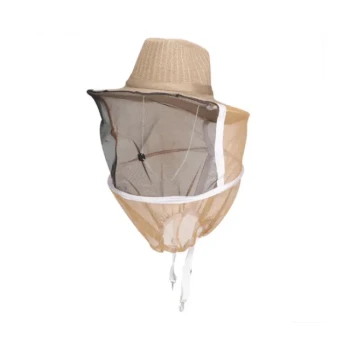
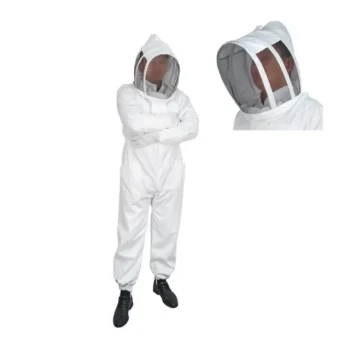
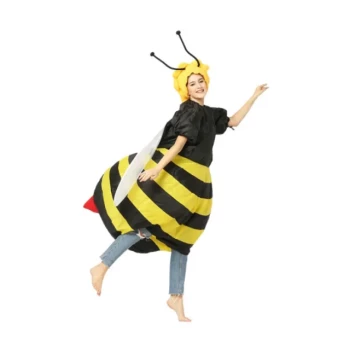
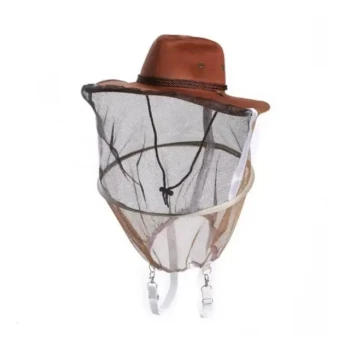
Beekeeping-themed cultural merchandise and teaching consumables serve as crucial physical bridges that reconnect urban communities with the natural environment. These items function not merely as commercial products, but as educational platforms that translate abstract ecological concepts into tangible advocacy, fostering a deeper public commitment to biodiversity and habitat management.
These physical assets do more than generate revenue; they act as tangible entry points for urban populations to engage with life sciences, transforming passive interest into active participation in pollinator conservation.
Transforming Urban Education and Advocacy
To understand the true function of these materials, one must look beyond their retail value. They are primarily tools for environmental communication, designed to bridge the gap between city living and the natural world.
Facilitating Deep Learning
Standard beekeeping activities can be intimidating or inaccessible to the general public. Interactive teaching consumables lower this barrier.
They provide a safe, controlled mechanism for deep learning regarding life sciences. By interacting with these physical mediums, users gain a nuanced understanding of biodiversity loss without needing direct, unsupervised contact with live hives.
Encouraging Active Participation
The ultimate goal of these educational tools is behavior change. They move the public from awareness to action.
These products transform standard beekeeping from a niche hobby into a broader platform for environmental advocacy. This shift encourages urban residents to actively participate in pollinator-friendly habitat management within their own communities.
Elevating the Economic Model of Conservation
While the primary function is educational, the secondary function is economic sustainability. Conservation efforts require funding, and these materials play a pivotal role in evolving the business model of urban apiculture.
Creating High-Value-Added Industries
Traditional beekeeping often relies solely on honey production, which has low margins. Cultural merchandise transforms this agricultural output into a high-value-added ecological industry.
By treating these items as branded commodities, beekeeping operations can diversify their income sources. This financial stability allows organizations to invest more resources back into conservation and education.
Building Emotional Connections
Abstract concepts like "ecological protection" can feel distant to consumers. High-quality cultural products make these concepts tangible.
Merchandise serves as a vehicle for brand communication, building an emotional connection between the consumer and the conservation mission. This strengthens brand identity and market recognition, which is essential for long-term viability.
Attracting New Talent
The aesthetic and cultural appeal of these products enhances the social prestige of beekeeping.
By modernizing the image of the industry through design and culture, organizations can attract younger workers and fresh talent who might not have been interested in traditional agriculture.
Understanding the Trade-offs
While powerful, the integration of merchandise and consumables into conservation strategies requires careful balance.
The Commercialization Risk
There is a danger of allowing the commercial aspect to overshadow the educational mission. If the merchandise becomes the primary focus, the organization risks diluting its environmental advocacy message.
Substance vs. Symbolism
Not all merchandise is educational. A plush toy may build a brand, but it does not necessarily promote deep learning about biodiversity.
Effective implementation requires that these products are designed with rigorous educational standards in mind, ensuring they remain valid teaching tools rather than just souvenirs.
Making the Right Choice for Your Goal
When integrating these tools into an urban conservation project, align your selection with your specific strategic objectives.
- If your primary focus is Educational Impact: Prioritize interactive teaching consumables that simulate biological processes to ensure deep learning about life sciences.
- If your primary focus is Financial Sustainability: Develop high-quality cultural merchandise to diversify revenue streams and move beyond simple agricultural production.
- If your primary focus is Public Engagement: Use branded products to build emotional connections that translate into active participation in habitat management.
The most effective urban conservation strategies use these tools to turn passive consumers into active stewards of the environment.
Summary Table:
| Function Category | Key Role | Impact on Urban Conservation |
|---|---|---|
| Education | Teaching Consumables | Facilitates deep learning of life sciences & biodiversity without direct hive contact. |
| Advocacy | Cultural Merchandise | Transforms awareness into active participation in pollinator habitat management. |
| Economic | Value-Added Industry | Diversifies revenue streams beyond honey, funding long-term conservation efforts. |
| Engagement | Brand Communication | Builds emotional connections & modernizes industry image to attract new talent. |
Elevate Your Beekeeping Impact with HONESTBEE
At HONESTBEE, we empower commercial apiaries and distributors with the tools needed to lead the urban conservation movement. From industrial-grade hive-making and honey-filling machinery to a creative spectrum of honey-themed cultural merchandise and teaching consumables, we provide the total wholesale solution for your business.
Whether you are scaling production or looking to engage your community through educational advocacy, our comprehensive portfolio of hardware and industry consumables is designed to enhance your brand's value and operational efficiency.
Ready to grow your apiary business? Contact us today to explore our wholesale catalog!
References
- Monika Egerer, Ingo Kowarik. Confronting the Modern Gordian Knot of Urban Beekeeping. DOI: 10.1016/j.tree.2020.07.012
This article is also based on technical information from HonestBee Knowledge Base .
Related Products
- Yellow Plastic Bucket Pail Perch for Beekeeping
- White Cotton Beekeeping Jacket and Veil for Bee Keepers
- Premium Traditional Copper Bee Smoker with Bellows
- Heavy-Duty Bee Smoker with Durable Plastic Bellows for Beekeeping
- Classic Wooden Bee Brush with Double-Row Boar Bristles
People Also Ask
- What are the strategic benefits of installing beekeeping hives at an elevation of 1 to 6 meters? Protect Your Assets
- What are the key advantages of modern improved beekeeping hives? Scale Your Honey Yield and Production Efficiency
- How do container-type consumables like plastic buckets function in urban beekeeping systems? Expert Setup Tips
- What are the advantages and disadvantages of plastic beekeeping equipment? Choose the Best Gear for Your Apiary
- Why Increase Hive Installation Quantity in Commercial Apiaries? Offset Climate Risks with Scalable Infrastructure