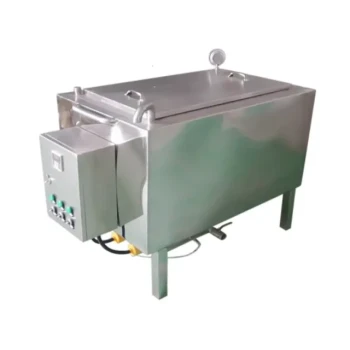
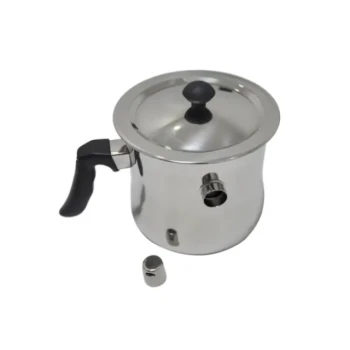
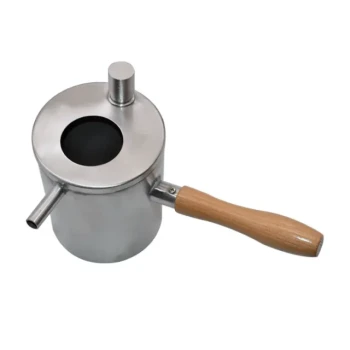
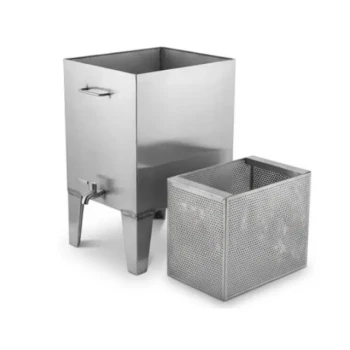
Specialized electric wax melters function as precision thermal processing units, designed to liquefy beeswax from old combs while maintaining a uniform temperature to facilitate separation from impurities. By providing a stable heating environment, they convert raw, often waste-laden honeycomb into clean, reusable wax without the risk of burning the material.
Core Takeaway Specialized electric melters do more than simply melt wax; they act as a preservation system. By replacing erratic heating methods with precise thermal regulation, they maximize yield and maintain the chemical integrity required for both hive maintenance and high-value commercial applications.
The Core Mechanism: Precision Thermal Control
Ensuring Uniform Stability
The primary function of a specialized electric melter is to provide a consistent heating environment. Unlike general heating methods, these devices maintain a stable temperature to liquefy the wax evenly.
Preventing Chemical Degradation
Traditional heating methods often result in "hot spots" that can burn the wax or darken its color. Electric melters use precise temperature control to prevent overheating, preserving the beeswax's inherent physical and chemical properties.
Controlled Liquefaction
The device is typically set to a warm setting to allow the wax to melt slowly. This gradual process ensures the material transitions from solid to liquid without thermal shock, which safeguards its quality.
The Separation and Purification Process
Processing Old Combs
These melters are specifically engineered to handle old combs and raw beekeeping by-products. They serve as the first line of defense in the recycling process, breaking down the structural integrity of the comb to release the wax.
Facilitating Impurity Removal
Once the wax is liquefied, the melter facilitates the separation of wax from non-wax solids. This process isolates the valuable beeswax from impurities such as cocoons, bee debris, and biological residues.
Integrated Filtration
Many specialized systems work in tandem with multi-stage filtration. As the wax melts, it passes through these filters (or high-density consumables), leaving solid waste behind and resulting in a purified liquid product.
Economic and Practical Value
Resource Recycling for Beekeeping
The immediate output of this process is high-value natural beeswax. This recycled material serves as a necessary consumable for the maintenance of existing beehives, allowing beekeepers to reduce operational costs.
Creating Commercial Grade Material
Beyond hive maintenance, these melters are essential for producing high-purity wax blocks. This level of purity is required for the wax to meet the application grades necessary for the cosmetics, pharmaceutical, and craft industries.
Understanding the Trade-offs
Operational Patience
This is not an instantaneous process; melting generally takes between 30 and 90 minutes depending on volume. Rushing the process with higher heat can damage the wax, so patience is a functional requirement.
Active Monitoring
Despite being "specialized" equipment, these melters cannot be "set and forgotten." Operators must monitor the device throughout the operation to ensure safety and prevent the wax from exceeding the pot's wall height.
Making the Right Choice for Your Goal
Whether you are a hobbyist or a commercial producer, the role of the melter changes based on your end goal.
- If your primary focus is Hive Maintenance: Use the melter to recover maximum volume from old combs to create new foundation sheets, reducing your overhead costs.
- If your primary focus is Commercial Sale: Prioritize the melter's temperature precision and filtration capabilities to ensure the final product meets cosmetic or food-grade standards.
Success in beeswax recovery lies not just in melting the comb, but in controlling the heat to separate the treasure from the trash.
Summary Table:
| Function | Description | Key Benefit |
|---|---|---|
| Thermal Regulation | Maintains stable, uniform temperatures | Prevents burning and chemical degradation |
| Impurity Separation | Liquefies wax to isolate solid residues | Produces clean, debris-free beeswax |
| Material Recovery | Processes old combs and hive by-products | Recycles valuable resources for hive maintenance |
| Grade Optimization | Refines wax for specific industry standards | Increases market value for cosmetic/pharma use |
Maximize Your Apiary Yield with HONESTBEE
At HONESTBEE, we specialize in empowering commercial apiaries and distributors with professional-grade solutions. Whether you need high-precision wax processing machinery, hive-making equipment, or essential industry consumables, our comprehensive wholesale portfolio is designed to enhance your operational efficiency and product quality.
Ready to elevate your beeswax production? Contact us today to explore our full spectrum of beekeeping tools and machinery!
References
- Jani Sillman, Helena Kahiluoto. Contribution of honeybees towards the net environmental benefits of food. DOI: 10.1016/j.scitotenv.2020.143880
This article is also based on technical information from HonestBee Knowledge Base .
Related Products
- Electric Commercial Beeswax Melter for Factory Use
- Electric Beeswax Foundation Machine With Operating Tray and Wax Foundation Roller
- Electric Beeswax Flat Sheet Machine with Operating Tray for Wax Processing
- Solar Beeswax Melter Easy Solar Wax Melter for Beeswax
- Beeswax Melter for Candle Making Honey Bee Wax Melter
People Also Ask
- Why might a commercial beekeeper prefer an electric beeswax melter? Maximize Profit with Speed & Scale
- What safety precautions should be taken when melting beeswax? A Guide to Flammable Wax Handling
- What types of beeswax melters are available for different scales of beekeeping? Solar vs. Electric Melters Compared
- What are the three popular methods for melting beeswax? Safely Process Your Wax with Ease
- How do you melt beeswax without making a mess? Master Safe & Clean Techniques