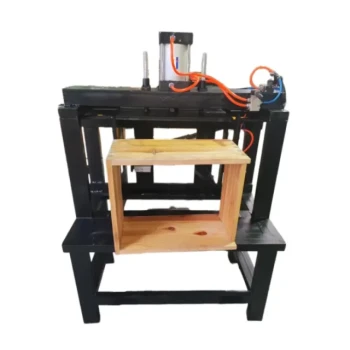
Standardized artificial beehives fundamentally transform meliponiculture by replacing destructive extraction with sustainable colony management. Unlike traditional honey hunting, which often results in the destruction of wild nests, these hives utilize optimized designs that allow for honey extraction without compromising the colony's structural integrity or long-term survival.
Core Takeaway The transition to standardized hives shifts the paradigm from "harvesting and destroying" to "managing and preserving." By structurally separating honey storage from the brood chamber, these hives ensure continuous productivity, higher hygiene standards, and the perpetual survival of the bee population.
Ensuring Colony Survival and Continuity
The most critical advantage of standardized hives is the preservation of the biological unit—the colony itself.
Eliminating Destructive Harvesting
Traditional wild harvesting frequently involves breaking open the nest to access honey pots. This often destroys the physical structure of the hive.
Standardized hives feature specific designs that allow access to honey reserves without disturbing the core nest. This ensures the colony remains intact after harvest.
Protecting the Brood Chamber
In meliponiculture, the brood (larvae) and the food pots are distinct. Artificial hives are designed to physically separate these zones.
This allows beekeepers to extract honey using specialized tools—such as small vacuum extractors—without accidentally damaging the brood chamber. This reduction in physical trauma significantly lowers larval mortality.
Reducing Stress and Recovery Time
When a wild nest is destroyed, the surviving bees must expend immense energy rebuilding their home from scratch.
With standardized hives, the structural integrity is maintained. This minimizes the colony's stress response and drastically shortens the recovery period, allowing bees to return to productivity almost immediately.
Maximizing Production Efficiency
Beyond survival, standardized hives introduce industrial efficiency to what was once an opportunistic activity.
Facilitating Advanced Management
Controlled environments allow for active intervention rather than passive observation.
Beekeepers can utilize specialized tools for colony splitting, breeding, and directional induction. This turns beekeeping into a scalable agricultural practice rather than a foraging activity.
Streamlining Inspection and Pest Control
Standardized hive boxes are designed for regular access. This facilitates weekly inspections to monitor colony health.
It allows for the early detection and management of common pests such as lizards, spiders, ants, and birds, which would be difficult to control in a wild setting.
Enabling Scalability and Mobility
Standardized boxes provide a consistent physical foundation. This uniformity enables migratory beekeeping, allowing colonies to be transported to areas with better flora.
It also supports the use of mechanized harvesting equipment and specialized opening devices, which are essential for large-scale commercial operations.
Elevating Product Quality
The environment in which the honey is stored directly impacts its final quality.
Improving Hygiene Standards
Wild nests are subject to environmental contaminants. Standardized hives provide a sealed, controlled environment.
This isolation reduces dependency on the natural environment for protection, ensuring the honey, beeswax, and propolis remain free from external impurities.
Standardizing Yield Properties
By controlling the environment, beekeepers can achieve consistent physical-chemical properties in their products.
This consistency is vital for commercial viability, ensuring that every harvest meets the same quality metrics regarding purity and maturity.
Understanding the Trade-offs
While the advantages are clear, adopting standardized hives requires a shift in approach.
Investment vs. Opportunity
Traditional harvesting is "free" in terms of infrastructure but costly in terms of resource depletion. Standardized hives require an upfront investment in hardware and tools (such as vacuum extractors).
Technical Expertise Required
Success with standardized hives requires more than just finding bees; it requires management skills. Beekeepers must learn to perform inspections, manage pests, and use extraction tools correctly to realize the benefits of the hardware.
Making the Right Choice for Your Goal
The move to standardized hives is essentially a move toward professionalization and conservation.
- If your primary focus is Conservation: Standardized hives are essential because they prevent the destruction of wild nests and ensure low-stress survival for native bee populations.
- If your primary focus is Commercial Production: The ability to perform non-destructive harvesting and use mechanized tools makes standardized hives the only viable option for high-yield, scalable operations.
Adopting standardized artificial hives changes the role of the human from a hunter of hives to a steward of sustainable production.
Summary Table:
| Feature | Traditional Harvesting | Standardized Artificial Hives |
|---|---|---|
| Colony Survival | Often destructive to wild nests | High; structural integrity maintained |
| Harvesting Method | Physical nest destruction | Non-destructive extraction |
| Brood Protection | High risk of damage/loss | Segregated and protected chambers |
| Management | Passive/Opportunistic | Active splitting, breeding & monitoring |
| Scalability | Limited to wild discoveries | High; supports migratory beekeeping |
| Hygiene | Environmental contaminants | Controlled, sealed environment |
Scale Your Apiary with HONESTBEE Precision Equipment
Transitioning from traditional harvesting to professional meliponiculture requires the right infrastructure. HONESTBEE empowers commercial apiaries and distributors with a comprehensive wholesale range of standardized beekeeping tools and machinery.
From durable hive-making machines to efficient honey-filling systems and essential consumables, we provide the industrial-grade hardware you need to ensure colony health and maximize ROI. Whether you are expanding your commercial operation or supplying the next generation of beekeepers, our expertise in honey-themed cultural merchandise and specialized hardware ensures your success.
Ready to professionalize your production? Contact us today to discuss our wholesale solutions!
References
- Madeleine Héger, Nicolas J. Vereecken. Traditional ecological knowledge and non-food uses of stingless bee honey in Kenya’s last pocket of tropical rainforest. DOI: 10.1186/s13002-023-00614-3
This article is also based on technical information from HonestBee Knowledge Base .
Related Products
- High-Efficiency Pneumatic Bee Hive Making Machine for Rapid Box Assembly
- Plastic Bee Hive Stand for Beekeeping
- Wholesales Dadant Size Wooden Bee Hives for Beekeeping
- Assembled Wooden Bee Frames with Plastic Foundation for Durability and Convenience by HONESTBEE
- Wooden Bee Hive Frames for Beekeeping and Wholesale
People Also Ask
- How does the introduction of professional beehive-making machinery benefit sustainable beekeeping? Scale Your Apiary
- Why is specialized beehive-making machinery critical for low-defense breeding? Enhance Selection with Precision Tools
- How does the introduction of specialized beehive making machinery contribute to increasing the scale of regional beekeeping industries?
- What is the importance of specialized beehive making machinery in a circular bio-economy? Build Local Sustainability
- Why is specialized beehive-making machinery essential? Scale Your Apiary with Precision Industrial Standards