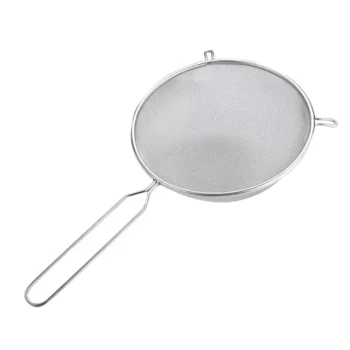
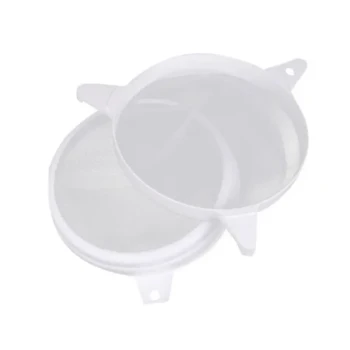
Professional honey filtering and skimming devices serve a dual purpose: ensuring food safety by eliminating toxic froth and maintaining product quality by removing physical impurities. In the context of high-viscosity commercial production, these systems are specifically engineered to mechanically separate hazardous components—such as foam containing concentrated Grayanotoxins—without compromising the honey's distinctive reddish-brown color, pungent aroma, or bioactive profile.
Core Takeaway While standard filtration removes debris for clarity, professional skimming of specialty honeys is a critical safety intervention. It physically removes surface foam where toxic compounds concentrate during processing, ensuring the final product meets strict safety standards while retaining its premium sensory characteristics.
The Critical Role of Safety Skimming
Eliminating Toxic Concentrates
In the processing of certain specialty honeys, particularly those with high viscosity, safety is the paramount function of skimming devices.
Harmful froth is often generated during the treatment of these honeys.
Critically, toxic components such as Grayanotoxins tend to concentrate within this foam, making its physical removal a mandatory safety step rather than just an aesthetic choice.
Ensuring Regulatory Compliance
By effectively separating this high-toxicity froth from the liquid honey, professional devices ensure the product is safe for human consumption.
This mechanical separation allows producers to meet rigorous food safety standards without chemically altering the honey.
Managing High Viscosity and Purity
Handling High-Value Varieties
Chestnut honey and similar forest varieties possess a specific, high viscosity that challenges standard equipment.
Professional filtration machinery is designed to handle this thickness, ensuring high-precision impurity removal for these premium products.
This capability is essential for meeting commercial distribution standards for high-market-value honeys.
Preservation of Physical Structure
Advanced filtering and filling machines are engineered to operate without disrupting the honey's natural state.
They achieve precision filling and impurity removal while maintaining the natural crystalline or grain structure of the honey.
For organic processing, this equipment ensures a contamination-free transfer from bulk storage to retail packaging.
Protecting Bioactive Integrity
Avoiding Thermal Damage
A primary function of professional filtration is to purify the honey without relying on unnecessary secondary heating.
Excessive heat can degrade natural antimicrobial properties and antioxidant activity.
By relying on mechanical efficacy rather than heat, these devices preserve the honey's essential biological components.
Retaining Sensory Characteristics
The goal of filtration is to polish the product while leaving its unique identity intact.
The process is calibrated to retain the honey's characteristic reddish-brown color and pungent aroma, which are indicators of its origin and quality.
Understanding the Trade-offs
Clarity vs. Biological Value
There is often a tension between achieving visual clarity and maintaining nutritional density.
Pasteurization combined with heavy filtration creates a clear, shelf-stable liquid by removing wax, pollen, and air bubbles.
However, this process can strip the honey of the very markers—such as pollen and specific biochemicals—that verify its maturity and origin.
Viscosity vs. Processing Speed
High-viscosity honeys (like Chestnut) require slower, more forceful filtration to remove impurities.
Pushing this process too fast can introduce heat or air, damaging the product.
Professional equipment balances the need for throughput with the gentle handling required to preserve active ingredients.
Making the Right Choice for Your Goal
Depending on your production targets, the role of filtration and skimming shifts slightly.
- If your primary focus is Safety: Prioritize high-efficiency skimming devices capable of identifying and removing froth where toxins like Grayanotoxins concentrate.
- If your primary focus is Premium Quality: Select equipment that offers high-precision impurity removal without secondary heating to preserve antimicrobial properties and grain structure.
- If your primary focus is Mass Market Appeal: Utilize filtration systems combined with pasteurization to remove fine particles and pollen, ensuring a smooth texture and delay crystallization.
Ultimately, the correct filtration system transforms raw honey into a commercially viable product by physically separating hazards while biologically preserving the hive's work.
Summary Table:
| Function | Primary Benefit | Key Mechanism |
|---|---|---|
| Safety Skimming | Removes toxic Grayanotoxin foam | Mechanical separation of surface froth |
| High-Precision Filtration | Removes physical impurities & debris | High-force processing for high-viscosity honey |
| Cold Processing | Preserves antimicrobial & antioxidant properties | Mechanical filtration without secondary heating |
| Structural Retention | Maintains natural color, aroma, and grain | Gentle handling of bioactive components |
| Quality Polishing | Ensures commercial-grade clarity | Controlled removal of wax, air, and particles |
Elevate Your Honey Production with HONESTBEE
At HONESTBEE, we specialize in empowering commercial apiaries and distributors with the professional tools needed to master high-viscosity honey production. From high-precision filtering and filling machines to specialized hive-making equipment, our comprehensive wholesale portfolio is designed to protect your product's bioactive integrity while ensuring rigorous food safety standards.
Whether you are processing premium forest honeys or scaling for mass-market distribution, our team provides the specialized machinery and industry consumables necessary for your success.
Ready to optimize your honey processing line? Contact HONESTBEE Today for a Professional Consultation
References
- Abdülkadır Gündüz, Hikmet Öksüz. The Honey, The Poison, The Weapon. DOI: 10.1016/j.wem.2011.01.006
This article is also based on technical information from HonestBee Knowledge Base .
Related Products
- Electric Double Wall Honey Filtering Machine Purifier Equipment for Honey Processing Plant
- Honey Concentrating and Filtering Dehumidifier Machine 2T Capacity for Honey
- Professional Honey Filter with Tripod Support Stand
- Stainless Steel Triangle Support Honey Strainer and Filters
- Automatic Honey Filling and Filtering Machine for Beekeeping Bottle Filling
People Also Ask
- What is the process of filtering honey? A Guide to Clean, Pure, and Market-Ready Honey
- What types of equipment are used in honey filtering? Build an Efficient System for Pure, Marketable Honey
- What is the overall importance of using the right equipment in honey filtering? Boost Quality & Marketability
- Why is filtering important in honey processing, and what equipment is used? A Guide to Quality & Efficiency
- What is a potential concern associated with filtering honey? Balancing Clarity and Pollen Preservation