The defining technical advantage of modern frame hives lies in their standardized physical dimensions and movable frame design. Unlike traditional fixed-structure hives, this precision engineering allows for the non-destructive inspection of colonies and the reuse of honeycomb. This shift facilitates scientific management practices that can increase average honey yields to approximately 20.1 kg per year.
Core Takeaway
Modern hive design transforms beekeeping from a passive gathering activity into a precise, manageable science. By utilizing movable frames and standardized components, beekeepers can inspect colony health and harvest honey without destroying the nest structure, significantly boosting both yield and operational efficiency.
The Mechanics of Movable Frames
Non-Destructive Inspection
The primary innovation of the modern hive is the ability to examine the colony without damaging it. In traditional hives, the comb is fixed to the structure, making internal access impossible without breaking the nest.
Movable frames allow beekeepers to lift out individual combs to inspect for queen egg-laying, larval development, and overall colony health. This visibility is critical for identifying issues early and implementing scientific management practices.
Preservation of Comb Structure
Traditional harvesting often requires cutting out the comb, forcing bees to rebuild from scratch—a highly energy-intensive process that reduces honey production.
Modern frames allow for non-destructive harvesting, where honey is extracted and the intact comb is returned to the hive. This enables the colony to focus its energy immediately on refilling the cells rather than reconstruction.
Standardization and Scalability
Interchangeability and Modular Growth
Modern hives utilize standardized internal designs, meaning parts can be swapped between hives or replaced easily.
This standardization supports the use of modular supers, allowing beekeepers to vertically expand the hive's storage capacity as the colony grows. This flexibility prevents overcrowding and maximizes the potential for honey storage.
Advanced Colony Management Tools
The precise engineering of modern hives accommodates specialized accessories that are incompatible with traditional designs.
For example, beekeepers can utilize queen excluders to confine the queen to specific areas, separating brood rearing from honey storage. This separation improves harvest purity and simplifies colony splitting or honeycomb exchange.
Enhanced Disease Control
The accessible nature of the frame system significantly improves the efficiency of pest and disease control measures.
Because every part of the hive is accessible, beekeepers can manually split colonies or treat specific areas to manage infestations. This leads to healthier colonies and higher quality by-products compared to fixed-comb hives.
The Impact on Production Metrics
Significant Yield Increases
The combination of colony health management and reusable combs leads to a drastic increase in productivity.
While traditional hives often yield approximately 5 kg of honey, modern frame hives can reach yields of approximately 20.1 kg per year. Some supplementary data suggests yields can range as high as 15–30 kg depending on management intensity.
Hygiene and Product Purity
Modern framed hives facilitate a cleaner harvest process.
By allowing for the precise removal of honey frames separate from brood frames, the system improves the hygiene and purity of the final product. This meets the rigorous standards required for commercial markets, avoiding the debris often found in crushed-comb harvests.
Understanding the Trade-offs
Management Complexity
While superior in yield, modern hives require a "scientific" approach to management. The system relies on the beekeeper actively inspecting, manipulating frames, and managing space, which requires more knowledge and labor time per inspection than simply leaving a traditional hive alone until harvest.
Equipment Dependency
The advantages of this system rely entirely on precision hardware. Unlike traditional hives which can be improvised, modern hives depend on maintaining standardized dimensions to ensure frames remain movable and accessories fit correctly.
Making the Right Choice for Your Goal
Whether you choose a modern frame hive depends on your specific objectives regarding yield and management intensity.
- If your primary focus is Commercial Production: You must adopt modern frame hives to achieve the necessary yields (20kg+) and meet market hygiene standards through non-destructive harvesting.
- If your primary focus is Colony Health Monitoring: The movable frame is essential, as it provides the only reliable method for inspecting brood patterns and managing disease without harming the nest.
Ultimately, the modern frame hive is not just a housing structure; it is a precision tool that unlocks the ability to manage bees rather than simply contain them.
Summary Table:
| Feature | Traditional Fixed-Comb Hives | Modern Frame Hives |
|---|---|---|
| Comb Structure | Fixed and permanent | Movable and reusable |
| Harvest Method | Destructive (crush and strain) | Non-destructive (centrifugal extraction) |
| Annual Honey Yield | Approx. 5 kg | Approx. 20.1 kg+ |
| Inspection | Blind/Impossible | Full visibility of brood and queen |
| Scalability | Limited | Modular (add supers for expansion) |
| Management | Passive/Observation | Scientific/Active Management |
Elevate Your Apiary with HONESTBEE Precision Equipment
Transitioning to modern frame hives is the first step toward commercial success. At HONESTBEE, we empower commercial apiaries and distributors by supplying a full spectrum of high-precision beekeeping tools, from standardized hive-making and honey-filling machinery to essential consumables and specialized hardware.
Whether you are scaling your honey production or stocking your distribution network, our comprehensive wholesale offering ensures you have the durable, standardized equipment needed to maximize colony health and yield.
Ready to upgrade your operation? Contact us today to discuss how our professional-grade machinery and hive components can drive your business growth.
References
- Alemayehu Anza, Nebiyu YEMAN. PRODUCTION PRACTICES, TRENDS, CONSTRAINTS AND OPPORTUNITIES OF BEEKEEPING IN ARBA MINCH ZURIA DISTRICT, SOUTHERN ETHIOPIA. DOI: 10.36547/sjas.927
This article is also based on technical information from HonestBee Knowledge Base .
Related Products
- Modern Flat-Mount Hive Number Set for Beekeeping
- Wooden Bee Hive Frames for Beekeeping and Wholesale
- Plastic Bee Frame Beekeeping Hive Frames for Wholesale
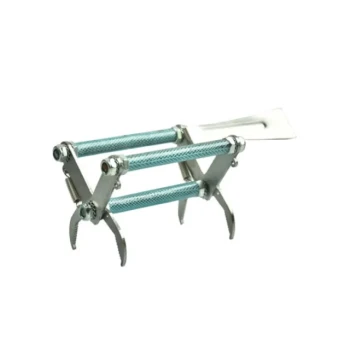
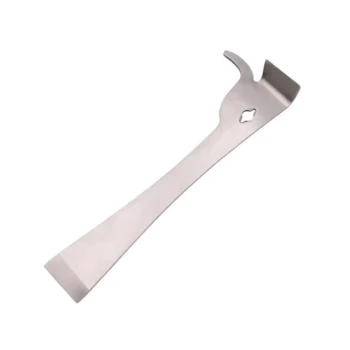
- Professional 3-Bar Frame Grip with Integrated Hive Tool
- Multi-Function Plier-Style Frame Grip Hive Tool
People Also Ask
- What are the primary advantages of modern beekeeping hives? Scale Your Apiary with Industrial Efficiency
- What is the impact of regular technical extension contact on the management of modern beekeeping hives? Enhance Hive Efficiency
- What are the structural and management advantages of modern beekeeping hives? Scale Your Honey Yields Today
- Why should the promotion of modern beekeeping hives be integrated with professional beekeeping tool kits and technical support?
- Why do forest beekeepers consider transitioning from traditional bark hives? Modernizing for Sustainable Yields