Adopting disposable plastic cups and filtration consumables for the post-digestion filtration of honey is a critical process step designed to ensure both data integrity and instrument longevity. This approach prioritizes the elimination of carryover contamination while physically removing particulate matter that threatens sensitive analytical hardware.
The core value of using disposable consumables lies in simultaneously neutralizing chemical "memory effects" from reusable labware and mechanically protecting sample injection systems from clogging due to residual wax or insolubles.
Ensuring Sample Integrity and Purity
Eliminating Memory Effects
One of the primary risks in analytical chemistry is the memory effect, where traces of a previous sample linger on the container walls.
Using disposable plastic cups ensures that every sample enters a pristine, virgin container. This completely negates the possibility of analytes adhering to the vessel surface and skewing subsequent results.
Preventing Cross-Contamination
Reusable glass containers introduce a significant variable: the effectiveness of the cleaning cycle.
By utilizing disposable consumables, you remove the washing process entirely. This eliminates the risk of cross-contamination caused by inadequate cleaning protocols or detergent residues.
Protecting Analytical Instrumentation
Removal of Trace Wax and Particulates
Honey is a complex matrix that often retains trace wax or insoluble particles even after the digestion process.
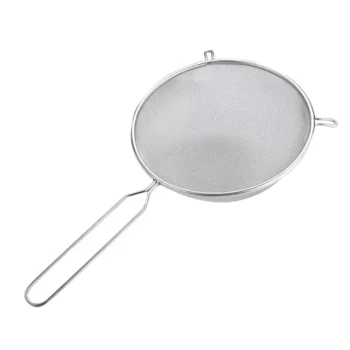
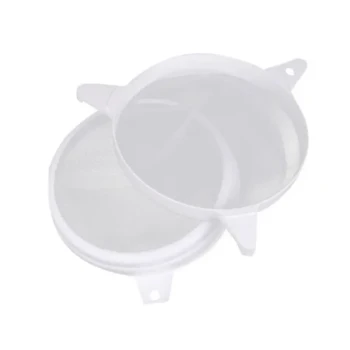
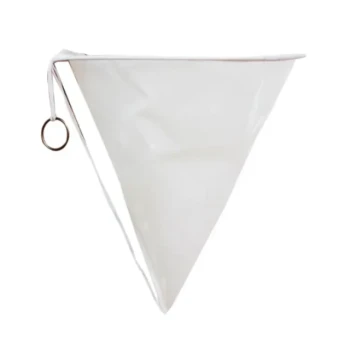
Filtration consumables are essential for physically capturing these solids. Without this step, these impurities remain suspended in the solution destined for analysis.
Preventing Sample Injection Clogging
The most immediate operational threat to analytical instruments is the blockage of the sample injection system.
Particulates that bypass filtration can accumulate in narrow tubing and nebulizers. Using proper filtration consumables acts as a firewall, ensuring only liquid solution enters the instrument's fluid path.
Ensuring Long-Term Stability
For laboratories running continuous, high-volume analyses, instrument drift and instability are major concerns.
Consistently filtering samples maintains the stability of the analytical equipment. It prevents the gradual buildup of matrix deposits that can degrade performance over long-term operation.
Understanding the Operational Trade-offs
The Hidden Cost of Reusable Glass
While disposable plastics incur a recurring consumable cost, the alternative—reusing glass—carries hidden operational risks.
The "cost" of glass includes the labor and resources required for rigorous cleaning, as well as the risk of re-running samples due to memory effects.
Material Compatibility
When selecting disposables, the primary consideration is ensuring the plastic grade is compatible with the acid matrix used in digestion.
Using the wrong plastic can introduce leachables; however, standard lab-grade disposables are designed to withstand these conditions better than glass surfaces prone to etching and analyte retention.
Making the Right Choice for Your Goal
To optimize your honey analysis workflow, align your consumables with your primary objectives:
- If your primary focus is Data Accuracy: Prioritize disposable plastic cups to eliminate memory effects and guarantee that no cross-contamination occurs between samples.
- If your primary focus is Instrument Uptime: Prioritize high-quality filtration consumables to rigorously remove trace wax and insolubles, preventing costly downtime due to injection system clogging.
Switching to disposable consumables transforms post-digestion filtration from a simple transfer step into a critical quality control measure for both your data and your hardware.
Summary Table:
| Consideration Category | Key Benefit | Technical Impact |
|---|---|---|
| Sample Integrity | Elimination of Memory Effects | Prevents analyte carryover from previous samples |
| Contamination Control | No Cross-Contamination | Removes risks associated with detergent residue or poor cleaning |
| Instrument Protection | Physical Filtration | Captures trace wax and insolubles to prevent system clogging |
| Operational Stability | Long-term Performance | Reduces instrument drift and maintenance downtime during high-volume runs |
| Material Choice | Acid Compatibility | Ensures no leachables interfere with the digestion acid matrix |
Elevate Your Beekeeping Operation with HONESTBEE
Maintaining the purity of honey—from the hive to the lab—is essential for the success of commercial apiaries and distributors. At HONESTBEE, we provide a comprehensive wholesale suite of beekeeping tools, machinery, and essential consumables designed to optimize your workflow.
Why partner with HONESTBEE?
- Precision Machinery: From specialized hive-making equipment to advanced honey-filling machines.
- Quality Consumables: A wide array of high-grade industry supplies tailored for high-volume operations.
- Total Solutions: We support your business with everything from hardware to honey-themed cultural merchandise.
Ready to scale your production and ensure the highest standards of honey quality? Contact us today to explore our wholesale offerings and discover how our expertise can drive your business forward.
References
- Manfred Sager. The Honey as a Bioindicator of the Environment. DOI: 10.1515/eces-2017-0038
This article is also based on technical information from HonestBee Knowledge Base .
Related Products
- Professional Stainless Steel Honey Filter with Support Handle
- Conical Nylon Honey Strainer Filter Bag for Beekeeping and Honey Filtration
- Professional Stainless Steel Honey Filtering Machine with Water Bath Heating for Beekeeping
- Professional Honey Filter with Tripod Support Stand
- Electric Double Wall Honey Filtering Machine Purifier Equipment for Honey Processing Plant
People Also Ask
- Why are stainless steel filters essential during the initial purification phase of honey processing? Ensure Purity
- What are the benefits of using a high-quality honey filter? Elevate Purity and Preserve Natural Flavor
- What is the primary purpose of honey filters? Achieve Professional Clarity & Pure Honey Quality
- What micron filter should I use for honey? Choose the Right Filter for Sales or Competitions
- Why do people filter honey? For Clarity, Stability, and Consumer Appeal