Off-season sanitation should combine mechanical cleaning with the right sterilization method for each material. Use acetic acid vapor for comb frames and fabric warming cushions, while thermal treatment with a flame torch is suitable for robust wooden hive components, metal frames, and hive tools. Scrape, wash, repair, and dry every item before treatment, and complete the work during winter downtime so equipment is ready for spring installation.
The correct process depends on the component: protect delicate wax and fabric with acetic acid vapor, and use controlled heat for durable wood and metal. Severely diseased woodenware—especially equipment associated with American Foulbrood—should be destroyed rather than returned to service.
Why Off-Season Sanitation Matters
Break Disease Transmission Cycles
Unused equipment can retain wax, propolis, honey residues, and disease-causing organisms. Cleaning and sterilizing it before storage reduces the risk of carrying infections into new colonies during spring installation.
Use Winter Downtime Efficiently
The dormant period provides an opportunity to inspect, repair, repaint, and sanitize equipment without disrupting active colonies. This also supports rapid deployment for spring swarm management, colony expansion, supering, and honey production.
Start With Mechanical Cleaning
Scrape Away Wax and Propolis
Remove old comb, excess wax, propolis, and other debris from hive bodies, bottom boards, covers, frames, and tools. Mechanical removal should happen before sterilization because residue can shield pathogens and reduce treatment effectiveness.
Wash Reusable Tools
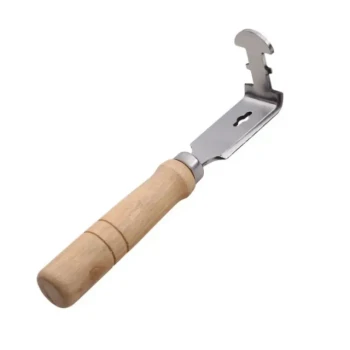
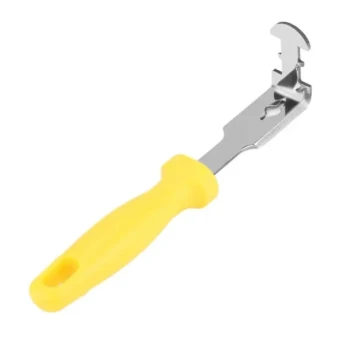
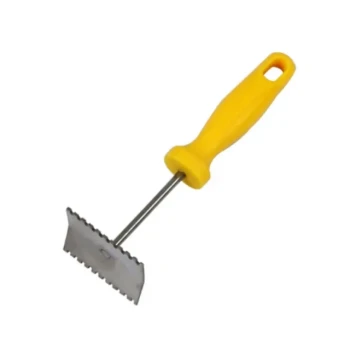
For hive tools, scrape away as much wax and propolis as possible. Wash the tool with warm or hot water, cleansing powder, or soap, then scrub remaining residue with a suitable stainless-steel scrubber.
Rinse thoroughly and dry the tool completely before storage. Tools used between apiaries may require an additional alcohol-disinfection procedure according to the operator’s sanitation protocol.
Inspect Before Treating
Check woodenware for rot, cracks, loose joints, damaged handles, and structural weakness. Inspect frames for broken wires, damaged wood, and excessive buildup that could prevent proper seating in the hive.
Match the Sterilization Method to the Material
Use Acetic Acid Vapor for Delicate Components
Acetic acid vapor is recommended for comb frames and fabric warming cushions because it can treat pathogens without compromising delicate wax or cloth materials when used correctly.
This treatment must be performed in a controlled, well-ventilated area using appropriate protective equipment and the product’s specified exposure and handling procedures. Do not improvise chemical concentrations or combine acetic acid with other cleaning agents.
Use Controlled Heat for Durable Equipment
A flame torch can be used for heavy-duty wooden hive bodies, bottom boards, covers, metal frames, and hive tools. Apply heat carefully to sanitize surfaces and remove accumulated propolis or residue.
The objective is controlled surface treatment, not uncontrolled burning. Avoid damaging joints, thin wood, coatings, or components that may be warped or weakened by excessive heat.
Treat Wooden Tools Carefully
If a tool includes a wooden handle, clean and dry the handle rather than exposing it unnecessarily to intense flame. Use heat primarily on compatible metal surfaces, and replace handles that are cracked, charred, loose, or structurally unsound.
For tools used across different apiaries, cleaning should be followed by an appropriate disinfection step. For tools used only within one apiary, thorough washing and complete drying may be sufficient, subject to the beekeeper’s disease-control plan.
Maintain Wooden Hive Components
Scrape, Clean, and Repair
Scrape hive bodies, bottom boards, covers, and other wooden components thoroughly. Repair loose joints, replace damaged sections, and ensure boxes remain square so that they stack correctly and protect the colony from drafts and moisture.
Repaint Exterior Surfaces Only
After cleaning and drying, protect weather-exposed wooden surfaces with an exterior primer and paint. Do not prime or paint the interior surfaces where bees live.
Painting should be completed only after sanitation, repairs, and adequate drying. A clean, dry surface improves coating performance and extends the service life of the equipment.
Prepare Frames for Reuse
Inspect wooden and plastic frames, remove old comb and propolis, and replace damaged parts. Fit usable frames with fresh comb foundation when required so they can be installed quickly during spring management.
Apply Stronger Measures During Disease Outbreaks
Destroy Severely Affected Woodenware
Woodenware that is severely affected during an American Foulbrood outbreak should be destroyed by burning to prevent pathogen spread. Reusing such equipment can undermine an otherwise effective apiary sanitation program.
Follow applicable veterinary, environmental, and fire-safety requirements when disposing of contaminated equipment.
Recover Structurally Sound Components
Sound hive bodies, bottom boards, and covers may be recoverable after thorough decontamination. Scrape off all wax and propolis, then scorch the inner wooden surfaces with a torch or fire chimney.
Other possible treatments include a 10% caustic lye bath for 20 minutes, hot paraffin dipping, or specialized gamma-radiation treatment. These alternatives require suitable facilities, trained handling, and strict control of chemical, thermal, and equipment hazards.
Store Equipment for Rapid Spring Deployment
Dry Everything Completely
Moisture left inside boxes, frames, tools, feeders, or cushions can encourage deterioration and contamination during storage. Allow cleaned components to dry fully before stacking or packing them away.
Sanitize Feeders and Auxiliary Equipment
Feeders and auxiliary equipment should be cleaned, sanitized, dried, and stored in a protected location. Include replacement hardware, assembly tools, and other items needed for spring hive expansion in the maintenance plan.
Organize by Readiness
Separate equipment that is ready for use from items awaiting repair, repainting, or disposal. For commercial operations, maintaining an organized inventory of boxes, frames, supers, tools, and sanitation supplies supports faster order fulfillment and reduces spring-season delays.
Understanding the Trade-offs
Chemical Vapor Requires More Control
Acetic acid vapor is appropriate for delicate materials, but it requires careful handling, proper ventilation, protective equipment, and controlled exposure. It is not a substitute for scraping and cleaning visible contamination first.
Flame Treatment Can Damage Equipment
Torch sanitation is fast and effective on compatible surfaces, but excessive heat can char wood, weaken joints, damage coatings, or deform thin metal. Operators should use controlled passes and avoid treating materials that are not heat-tolerant.
Lye and Paraffin Are Specialized Options
Caustic lye and hot paraffin can provide additional decontamination options, but they introduce significant chemical and thermal hazards. They are best reserved for trained personnel with appropriate facilities and procedures.
Sanitation Does Not Repair Structural Failure
Sterilization cannot restore rotten wood, broken frames, loose handles, or warped boxes. Components that are structurally unreliable should be repaired or replaced rather than returned to service simply because they have been sanitized.
Making the Right Choice for Your Goal
Select the method according to the material, disease risk, equipment condition, and scale of the operation.
- If your primary focus is protecting wax frames or fabric cushions: Use controlled acetic acid vapor treatment after removing visible wax, propolis, and debris.
- If your primary focus is sanitizing robust hive bodies, metal frames, or compatible tools: Use controlled flame treatment after thorough scraping and cleaning.
- If your primary focus is routine hive-tool maintenance: Scrape after every use, wash with warm soapy water or cleansing powder, rinse, and dry completely before storage.
- If your primary focus is cross-apiary disease prevention: Use a documented cleaning and disinfection procedure for tools and equipment moved between apiaries.
- If your primary focus is equipment affected by American Foulbrood: Destroy severely affected woodenware and decontaminate only structurally sound components using an approved method.
- If your primary focus is spring readiness at commercial scale: Combine winter sanitation with repairs, repainting, frame preparation, inventory control, and advance sourcing of replacement hardware and sanitation supplies.
A disciplined off-season program protects colonies, extends equipment life, and ensures clean, serviceable hardware is ready when spring operations begin.
Summary Table:
| Component/Material | Recommended Method | Key Steps |
|---|---|---|
| Comb frames & fabric cushions | Acetic acid vapor | Controlled environment, follow safety protocols |
| Wooden hive bodies, metal frames, tools | Flame torch | Scrape, wash, dry, then controlled heating |
| Hive tools (metal parts) | Washing + alcohol | Scrape, wash with soapy water, rinse, dry, disinfect |
| Wooden handles | Dry cleaning only | Avoid flame, replace if damaged |
| Heavily diseased woodenware (AFB) | Destroy by burning | Follow local regulations |
Upgrade your off-season sanitation with reliable tools from HONESTBEE, your one-stop supplier for apiary equipment and consumables. We offer rapid delivery and expert support to keep your hives healthy and your business thriving. Contact us today for a tailored quote and experience the HONESTBEE advantage!
Related Products
- Heavy-Duty Ergonomic Stainless Steel Pollen Shovel
- Ergonomic Two Person Foldable Hive Lifter
- Professional Stainless Steel Pry-Bar Hive Tool
- Stainless Steel Round Beehive Air Vents for Ventilation
- Stainless Steel J Hook Hive Tool for Beekeeping
People Also Ask
- How is pollen cleaned after it has been dried? Master Efficient Separation for Pure Bee Pollen
- What methods are used to clean harvested bee pollen? Scale Your Beekeeping Operations with the Right Technique
- How can harvested bee pollen be cleaned to remove impurities? Efficient Methods for Commercial and Hobbyist Beekeepers
- How do bee pollen collection tools affect the quality of bee pollen used in functional dairy ice cream production?
- What is the technical significance of using specialized cutting tools for propolis? Master Precision Pollen Harvesting