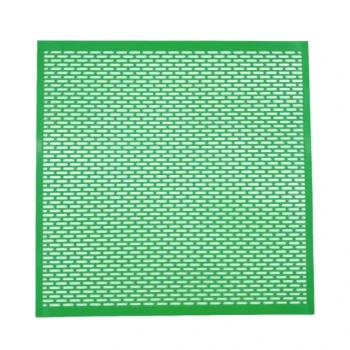
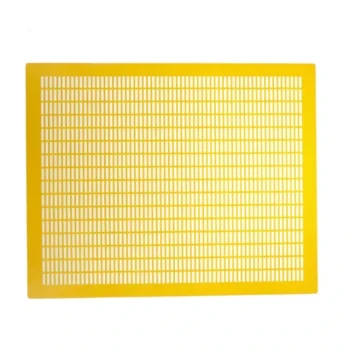
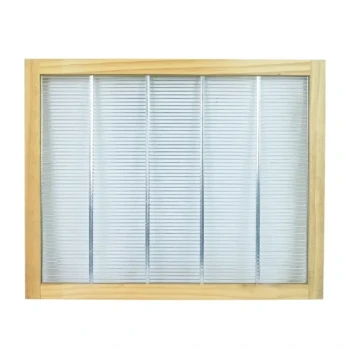
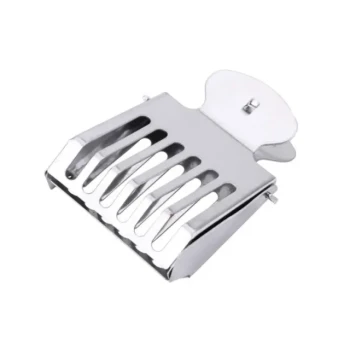
Placing a queen excluder directly above the bottom board effectively repurposes the tool from honey management to hive security. When positioned below the brood box but above the hive floor, it serves primarily to secure a new colony against absconding and to act as a physical shield against large pests.
While standard usage separates the queen from honey supers, placing an excluder at the bottom of the stack converts it into a mechanical barrier. It physically locks the queen inside during critical acclimatization periods and prevents large predators from entering the hive.
Preventing Colony Loss During Installation
Securing New Packages and Swarms
When you introduce a new package of bees or catch a swarm, the colony has no "loyalty" to the new box yet.
There is a risk that the bees may decide the new home is unsuitable and attempt to abscond (leave immediately).
By placing a queen excluder between the bottom board and the first brood box, you mechanically prevent the queen from leaving.
Establishing the "Home" Signal
The colony will not abandon the hive if the queen remains inside.
This setup is temporary. Once the queen begins laying eggs, usually within a few days to a week, the colony is chemically and instinctively anchored to the brood.
At this stage, the excluder should be removed to allow normal operations.
Physical Hive Defense
Filtering Out Large Predators
The excluder acts as a rigid size filter for the hive entrance.
Standard honey bees can pass through the gaps easily, but larger intruders cannot fit through the metal or plastic grid.
Specific Pest Targets
This barrier is particularly effective against significant threats that can decimate a weak colony.
It stops mice from entering to nest or eat comb.
It also blocks large predatory insects, such as hornets, wasps, and large spiders, preventing them from gaining access to the brood nest.
Risks and Trade-offs of Bottom Placement
While useful in specific scenarios, leaving an excluder on the bottom carries operational risks.
The Drone Problem
Drones (male bees) are larger than worker bees and cannot pass through a queen excluder.
If the excluder is left in place for an extended period, drones trapped inside cannot fly out to mate or defecate, and drones outside cannot return.
This can lead to a buildup of dead drones on the bottom board, potentially causing sanitation issues or blocking air flow.
Entrance Congestion
Forcing every forager to squeeze through the excluder to exit or enter can slow down hive traffic.
It may strip pollen pellets off the legs of returning foragers, depriving the colony of essential protein.
Making the Right Choice for Your Goal
Using a queen excluder at the bottom is a tactical, temporary decision, not a permanent configuration.
- If your primary focus is installing a new package: Use the excluder for 3–7 days to ensure the queen stays until she begins laying eggs, then remove it immediately.
- If your primary focus is pest control: Use this method only if you lack a proper mouse guard, and monitor the entrance frequently to ensure drones are not clogging the screen.
The bottom-placed excluder is an effective emergency gate, but it should not become a permanent obstacle to your colony’s natural movement.
Summary Table:
| Feature | Primary Purpose (Bottom Placement) | Key Benefits |
|---|---|---|
| Colony Retention | Secures new packages/swarms | Prevents queen absconding during the first 3-7 days |
| Pest Barrier | Acts as a mechanical shield | Blocks mice, hornets, and large predatory insects |
| Establishment | Home anchoring | Encourages the colony to stay until brood rearing begins |
| Constraint | Temporary configuration | Prevents drone buildup and entrance congestion when monitored |
Maximize Your Apiary Productivity with HONESTBEE
At HONESTBEE, we understand that commercial beekeeping requires more than just tools—it requires precision and reliability. Whether you are managing vast commercial apiaries or distributing supplies, our comprehensive wholesale offering has you covered.
We provide everything from high-performance beekeeping machinery and automated honey-filling machines to durable hardware and essential consumables. Our expertise ensures that your operation stays secure and efficient.
Ready to scale your beekeeping business? Contact us today to discover how our specialized equipment and industry-leading merchandise can drive your success.
Related Products
- High Performance Plastic Queen Excluder for Beekeeping and Apiary Management
- Professional Plastic Queen Excluder for Modern Beekeeping
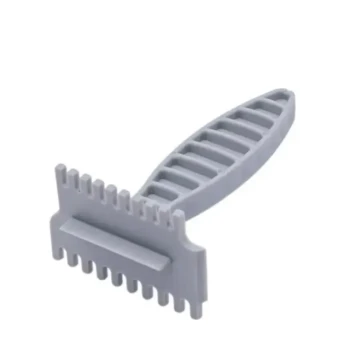
- Lightweight Durable Plastic Queen Excluder Scraper for Beekeeping
- Metal Queen Bee Excluder for Beekeeping
- Premium Wood Framed Metal Wire Queen Bee Excluder
People Also Ask
- What are the characteristics of a plastic queen excluder? Key Benefits for Cost-Effective Beekeeping
- What are the operational and cost advantages of using plastic queen excluders over metal or wire excluders in commercial hive management? Discover how they reduce labor, prevent wing damage, and lower total costs.
- What types of queen excluders are available for beekeepers? Choose the Right Tool for Your Hive
- Why are standardized hive frames and queen excluders essential for maintaining honey purity and quality? Scale Your Purity
- Do plastic queen excluders work? A Cost-Effective Solution for Modern Apiaries