To maintain optimal product quality, honey storage equipment must provide a controlled environment characterized by a temperature range of 10-16°C and a relative humidity level below 65%. Adhering to these specific parameters is critical to inhibit the production of hydroxymethylfurfural (HMF), slow the decline of diastase activity, and prevent fermentation caused by moisture absorption.
Honey is a highly hygroscopic and chemically complex substance that requires stabilization against environmental fluctuations to retain its value. Effective storage relies on a dual approach: maintaining a cool, dry ambient environment to preserve chemical integrity, and utilizing airtight, inert containment to prevent physical contamination and spoilage.
The Critical Role of Temperature Control
Preserving Chemical Integrity
Honey is not static; it is a biologically active product that degrades over time. To slow this degradation, storage equipment should maintain a consistent temperature between 10°C and 16°C. Keeping honey within this specific range inhibits the formation of hydroxymethylfurfural (HMF), a primary indicator of heat damage and aging in honey.
Protecting Enzymatic Activity
Beyond HMF, temperature control is vital for preserving diastase activity, a key enzyme used to gauge honey freshness and quality. Higher temperatures accelerate the decline of diastase, effectively reducing the medicinal and commercial value of the product. precise thermal regulation ensures the honey retains its natural physicochemical properties from harvest to sale.
Consistency in the Supply Chain
Fluctuations in temperature can alter the chemical composition and flavor profile of honey. A systematic, constant temperature environment eliminates these variables. This stability ensures product consistency throughout the post-harvest distribution chain and minimizes inventory losses due to spoilage or degradation.
Managing Humidity and Moisture
The Hygroscopic Challenge
Honey is highly hygroscopic, meaning it naturally attracts and absorbs moisture from the surrounding air. If the water content in honey rises too high due to atmospheric absorption, yeast naturally present in the honey can activate, leading to fermentation and souring.
The 65% Threshold
To counteract this, the ambient environment within the storage facility must be kept at a relative humidity (RH) below 65%. By maintaining the air below this moisture threshold, you prevent the honey from pulling in water. This is the primary defense against fermentation and is essential for maintaining the product's stability and shelf life.
Equipment and Container Specifications
Airtight and Inert Materials
Control of the room environment must be paired with superior containment. Storage containers must be food-grade and chemically inert to prevent interaction with the honey’s acidic nature. Most importantly, they requires an airtight seal to physically isolate the honey from atmospheric moisture and oxygen, acting as a second barrier against fermentation.
Odor and Contaminant Isolation
Honey easily absorbs external odors, which can ruin its natural aroma and flavor profile. High-quality sealing performance isolates the product from environmental contaminants and strong smells. This ensures that the natural bouquet and organoleptic qualities of the honey remain unaltered during storage and transport.
Protection from Light
While temperature and humidity are the primary concerns, exposure to light also degrades honey. Packaging or storage equipment should utilize opaque materials or colored glass to filter UV rays. Blocking UV exposure prevents further degradation of the honey's biological activity and color.
Understanding the Trade-offs
Ideal Preservation vs. Ambient Storage
While standard room temperature (roughly 18-24°C or 65-75°F) is often cited for general shelving to prevent fermentation, it is not the optimal range for maximizing chemical longevity. The stricter 10-16°C range is superior for preserving enzymatic activity (diastase) and limiting HMF, though it requires more energy-intensive climate control than simple ambient storage.
Crystallization Risks
Storage temperatures must be carefully managed to avoid "over-crystallization," which can occur if temperatures drop too low or fluctuate wildly. While cooler temperatures (10-16°C) preserve chemistry, they may influence the rate of crystallization compared to higher temperatures. However, for grading and processing facilities, the priority remains chemical stability and spoilage prevention over texture management, which can be adjusted later.
Making the Right Choice for Your Goal
To select the correct storage strategy, assess your primary objective regarding the honey's end-use and duration of storage:
- If your primary focus is long-term preservation of medicinal grade quality: Maintain the strict 10-16°C temperature range to minimize HMF formation and maximize diastase retention.
- If your primary focus is preventing fermentation in bulk storage: Ensure relative humidity is strictly monitored below 65% and utilize industrial-grade, airtight seals to prevent moisture ingress.
- If your primary focus is preventing flavor contamination: Prioritize food-grade, chemically inert containers that provide a complete barrier against external odors and oxygen.
Ultimately, the longevity of honey is defined by how effectively your equipment decouples the product from the moisture and thermal fluctuations of the outside world.
Summary Table:
| Parameter | Recommended Range | Primary Benefit |
|---|---|---|
| Temperature | 10°C - 16°C (50°F - 61°F) | Inhibits HMF formation and preserves diastase activity |
| Relative Humidity | Below 65% | Prevents moisture absorption and yeast fermentation |
| Container Material | Food-grade / Chemically Inert | Avoids chemical leaching and flavor contamination |
| Sealing Type | Airtight / Hermetic | Isolates honey from external odors and atmospheric moisture |
| Light Exposure | Opaque / UV-Filtering | Prevents biological degradation and maintains honey color |
Maximize Your Honey Quality with HONESTBEE Solutions
At HONESTBEE, we understand that maintaining the integrity of your harvest is paramount for commercial success. We provide professional-grade beekeeping tools, honey-filling machinery, and storage equipment designed to meet the strict environmental standards required by commercial apiaries and global distributors.
Whether you are a large-scale producer needing specialized hardware or a distributor looking for high-quality consumables and honey-themed cultural merchandise, we offer a comprehensive wholesale portfolio to scale your business.
Ready to upgrade your honey processing and storage capabilities? Contact HONESTBEE Today to discuss how our equipment can safeguard your product quality and enhance your market value.
References
- Suzana Vidaković Knežević, Milica Živkov Baloš. LABEL ANALYSIS OF SERBIAN HONEY: WHAT DOES (NOT) THE LABEL TELL US?. DOI: 10.46784/e-avm.v10i2.70
This article is also based on technical information from HonestBee Knowledge Base .
Related Products
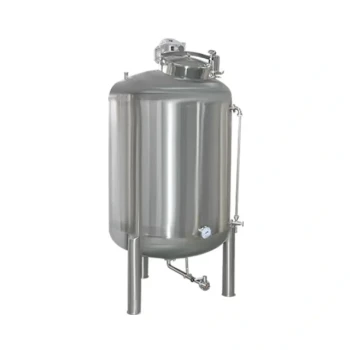
- Stainless Steel Honey Storage Tank with Lid for Honey
- Stainless Steel Honey Storage and Settling Tank with Double Strainer
- Professional Honey Storage Tank with Agitation System
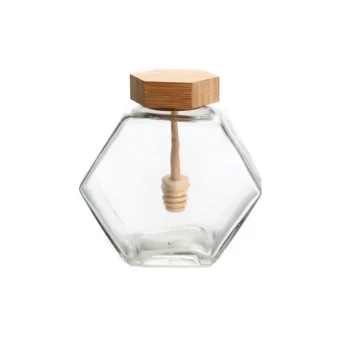
- Hexagonal Glass Honey Jar with Wooden Lid Integrated Dipper Elegant Functional Storage
- Stainless Steel Honey Tank Stand for Honey Storage
People Also Ask
- What economic role do honey storage tanks play? Boost Your Revenue Through Strategic Inventory Management
- What roles do industrial honey storage tanks and filtration meshes play in processing? Ensure Purity & Consistency
- What is the purpose of a honey storage tank? Streamline Your Honey Processing for Quality & Efficiency
- What are honey storage tanks used for? Essential Features for Quality Preservation and Profit
- How do large honey storage tanks and gravity fall filling systems improve honey packaging efficiency and safety?