The specific requirement for washing beekeeping gear is to use a mild detergent that is completely free of dyes, perfumes, and scents. Standard laundry additives that make clothes smell fresh to humans can trigger defensive behavior in bees, making your next inspection dangerous.
Core Insight: The goal of washing beekeeping gear is not just cleanliness, but olfactory neutrality. You must remove organic hive debris without leaving behind any chemical residue or artificial scent that bees might interpret as a threat or toxin.
The Critical Role of Detergent Ingredients
Eliminating Fragrances and Perfumes
Honey bees rely heavily on their acute sense of smell to communicate and identify threats.
Detergents containing perfumes or fragrances effectively mask your scent with a foreign chemical odor. This foreign scent can agitate the colony, causing them to react defensively or aggressively during your next inspection.
Avoiding Chemical Dyes
Visual aesthetics are irrelevant to the function of protective gear.
Dyes add unnecessary chemicals to the wash water that offer no cleaning benefit. Like fragrances, these additives increase the complexity of the chemical profile left on the suit, increasing the risk of irritation to the bees.
The Importance of Rinsing
Preventing Contact Toxicity
The primary reference highlights a critical safety factor: residue.
Even if a detergent is relatively mild, chemical residue left in the fabric fibers can be harmful to bees upon physical contact. It is essential to rinse the gear thoroughly to ensure every trace of soap is removed.
Ensuring Fabric Safety
Thorough rinsing also preserves the integrity of the protective mesh and cloth.
Residual chemicals can degrade the materials over time, potentially compromising the safety features of the suit.
Understanding the Trade-offs and Pitfalls
Cleanliness vs. Neutrality
You must accept a trade-off between a "spotless" look and a bee-safe suit.
Aggressive stain removers and heavy-duty detergents might make a white suit look brand new, but they often contain the very additives you must avoid. It is better to have a slightly stained, neutral-smelling suit than a bright white one that angers the hive.
Bleach vs. Fabric Softeners
It is important to distinguish between sanitizers and softeners.
According to supplementary data, fabric conditioners (softeners) should be strictly avoided as they leave a coating and strong scent on fibers. However, bleach can be used in appropriate, moderate amounts if sanitation is required, provided it is rinsed out completely.
Making the Right Choice for Your Apiary
When selecting your cleaning agents, follow these guidelines based on your specific needs:
- If your primary focus is Colony Calmness: Choose a detergent labeled "Free and Clear" or "Hypoallergenic" to ensure zero fragrance or dye content.
- If your primary focus is Gear Longevity: Avoid fabric softeners entirely, as they coat fibers and can attract dirt while irritating bees.
- If your primary focus is Bee Safety: prioritize an extra rinse cycle to eliminate any potential chemical residue that could harm the bees on contact.
By prioritizing chemical neutrality over strong cleaning power, you ensure your gear remains a tool for safety rather than a source of agitation.
Summary Table:
| Requirement | Recommendation | Reason |
|---|---|---|
| Scent Profile | Fragrance-Free / No Perfumes | Scents trigger defensive/aggressive bee behavior. |
| Coloring | Dye-Free / No Additives | Reduces chemical complexity and irritation risk. |
| Conditioners | No Fabric Softeners | Softeners coat fibers and leave strong chemical residues. |
| Process | Extra Rinse Cycle | Prevents contact toxicity and protects fabric integrity. |
| Cleaning Goal | Olfactory Neutrality | Prioritizes colony calmness over visual brightness. |
Elevate Your Apiary Safety with HONESTBEE
Maintaining the safety and neutrality of your gear is just the first step in professional colony management. At HONESTBEE, we specialize in supporting commercial apiaries and distributors with high-performance beekeeping solutions. From durable protective suits designed for longevity to advanced honey-filling machines and specialized hive-making hardware, we provide the full spectrum of wholesale tools and consumables your business needs.
Why partner with HONESTBEE?
- Wholesale Excellence: Comprehensive inventory of beekeeping machinery and essential consumables.
- Industry Expertise: Gear and equipment tailored for professional scale and efficiency.
- Cultural Merchandise: Unique honey-themed merchandise to expand your retail portfolio.
Ready to scale your beekeeping operations with industry-leading equipment? Contact our expert team today to discuss our wholesale offerings and how we can add value to your business.
Related Products
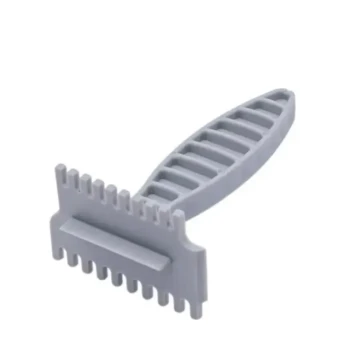
- Lightweight Durable Plastic Queen Excluder Scraper for Beekeeping
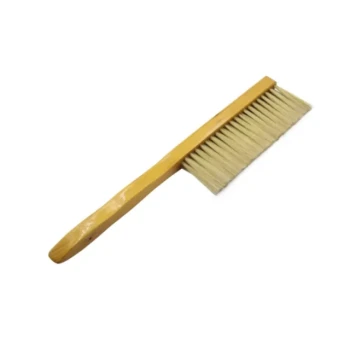
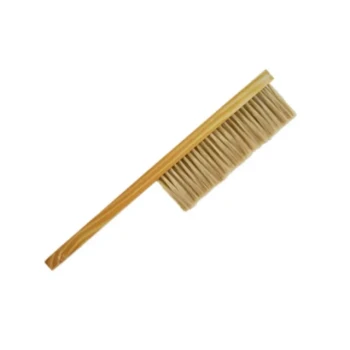
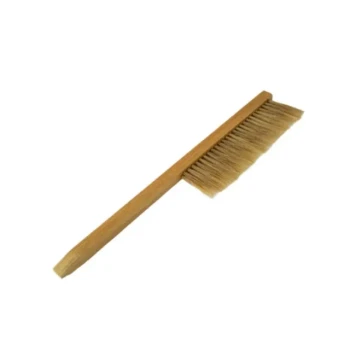
- Wooden Bee Brush with Triple Row Artificial Fiber for Beekeeping
- Miniature Stainless Steel Bee Smoker for Beekeeping
- Double Row Artificial Fiber Bee Brush for Beekeeping
- Stainless Steel Honey Bee Smoker Hive and Honeycomb Smoker for Beekeeping
People Also Ask
- Why are standardized hive frames and queen excluders essential for maintaining honey purity and quality? Scale Your Purity
- What types of queen excluders are available for beekeepers? Choose the Right Tool for Your Hive
- What are the benefits of using a queen excluder for monitoring and managing the queen bee? Master Hive Control Today!
- What is the purpose of removing queen excluders during the queen bee installation? Maximize Colony Growth Today
- What is a queen excluder in beekeeping? A Guide to Hive Management & Honey Production