To create a beeswax container candle, the essential supplies include a glass container, beeswax pellets, 1/4 cup of coconut oil, 1/4 cup of coconut butter, and a wick. You will also need a hot glue gun to secure the wick, 20-60 drops of essential oil for fragrance, and a double-boiler setup consisting of a sauce pot and a heat-resistant glass bowl.
Core Takeaway: Beeswax is naturally hard and brittle; successfully making a candle in a glass vessel requires blending the wax with softer fats like coconut oil and butter to ensure an even burn. You must use indirect heat (a double boiler) to melt these ingredients safely to preserve the wax's quality.
The Ingredient Blend for Container Candles
The Wax Base
The foundation of the candle is beeswax pellets. Pellets are preferred over large blocks because they melt faster and are easier to measure. For a container candle, you should measure the amount by filling your intended container halfway with the solid pellets.
Softening Agents
Pure beeswax often cracks or pulls away from the sides of glass containers as it cools. To prevent this, the recipe requires 1/4 cup of coconut oil and 1/4 cup of coconut butter. These ingredients soften the wax, ensuring smoother adhesion to the glass and a more consistent melt pool.
Wicks and Adhesives
You will need a candle wick appropriate for the width of your container. A hot glue gun is the standard tool used to adhere the metal tab of the wick to the bottom center of the glass container before pouring the hot wax.
Fragrance
Beeswax has a natural, sweet scent, but you can enhance it with 20-60 drops of essential oil. The exact amount depends on the size of the batch and the intensity of the oil chosen.
Essential Equipment for Production
The Melting System
Never melt beeswax directly over a flame. You need a sauce pot filled with water and a heat-resistant glass bowl that sits on top to create a double boiler. This indirect heat prevents the wax from scorching or reaching dangerous flashpoints.
Pouring Tools
Once melted, you will need an old ladle to transfer the wax into the container. An infrared thermometer is highly recommended to monitor the temperature, ensuring you do not overheat the essential oils or pour when the wax is too cold.
Stabilization Tools
After pouring, the wick must stay perfectly centered while the wax hardens. A simple pencil or clothespin resting across the top of the jar works effectively to hold the wick in place.
Understanding the Trade-offs
Container Blends vs. Pure Beeswax
The supplies listed above create a "blend" specifically for glass containers. If your goal is to make structural pillar candles using molds, you should omit the coconut oil and butter. Pure, unbleached beeswax is required for free-standing candles to maintain their shape.
Molds vs. Dipping
If you are not using glass containers, you will need silicone molds for pillars or specialized dipping equipment for tapers. Molds require specific preparation, such as using release sprays or rubber bands to keep the mold tight during the setting process.
Complexity vs. Convenience
Pouring candles involves melting and specific temperatures. For a simpler approach that requires no heat, you can use pre-made beeswax sheets. These allow you to make candles by simply rolling the sheet around a wick at room temperature.
Making the Right Choice for Your Goal
When gathering your supplies, select your list based on the final product you wish to create:
- If your primary focus is a glass jar candle: Use the primary blend of beeswax pellets, coconut oil, and coconut butter to ensure the wax is soft enough to stick to the glass.
- If your primary focus is a freestanding pillar: Use 100% pure beeswax and silicone molds, omitting the softening oils to ensure structural integrity.
- If your primary focus is safety and simplicity: Purchase honeycomb-patterned beeswax sheets and roll them by hand, eliminating the need for hot wax and double boilers.
Select the method that matches your equipment level, as temperature control and wax consistency are the deciding factors in candle quality.
Summary Table:
| Category | Essential Item | Purpose |
|---|---|---|
| Wax Base | Beeswax Pellets | Fast-melting foundation for the candle |
| Softeners | Coconut Oil & Butter | Prevents cracking and improves glass adhesion |
| Wick System | Cotton Wick & Glue Gun | Provides the flame and secures the base |
| Equipment | Double Boiler | Safely melts wax using indirect heat |
| Additives | Essential Oils | Adds custom fragrance (20-60 drops) |
| Stabilizers | Pencil or Clothespin | Keeps the wick centered during cooling |
Scale Your Candle Production with HONESTBEE
Whether you are a commercial apiary or a growing distributor, HONESTBEE provides the professional-grade tools you need to succeed. We specialize in supplying high-capacity beekeeping machinery, honey-filling equipment, and premium bulk consumables to streamline your operations. From specialized hardware to honey-themed cultural merchandise, we empower your business with quality and reliability.
Ready to elevate your candle-making or honey production business? Contact us today to explore our wholesale solutions!
Related Products
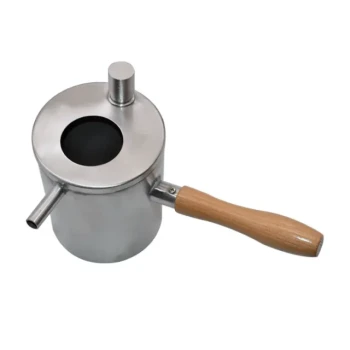
- Beeswax Melter for Candle Making Honey Bee Wax Melter
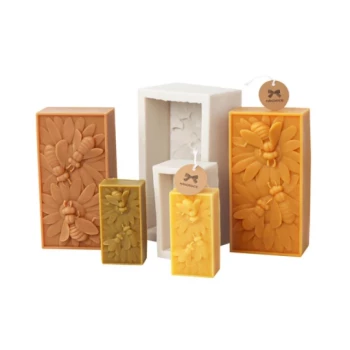
- 3D Square Honeycomb Pillar Silicone Candle Molds for Making Beeswax Candles
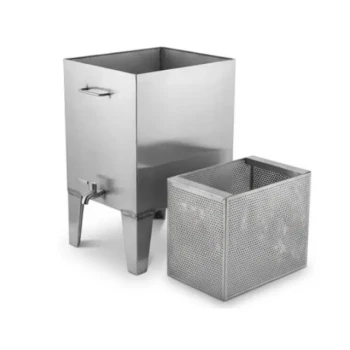
- Professional Stainless Steel Wax Melter for Beekeeping and Crafts
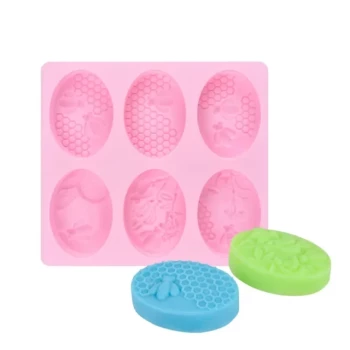
- Bee Floral Relief Silicone Mold for Artisan Soap Candle Making
- Fully Automatic Beeswax Embossing Machine Foundation Mill
People Also Ask
- What is the best way to melt beeswax? Safely Preserve Quality with Indirect Heat
- What is the best way to melt beeswax? Use a Solar Wax Melter for Simple, Pure Results
- What types of beeswax melters are available for beekeepers? Choose the Right One for Your Operation
- What safety precautions should be taken when melting beeswax? A Guide to Flammable Wax Handling
- What types of beeswax melters are available for different scales of beekeeping? Solar vs. Electric Melters Compared