The definitive technical advancement in modern apiculture is the decoupled architecture of the movable frame hive. Unlike traditional static designs, this system allows you to extract individual frames for inspection or harvesting without compromising the structural integrity of the colony's nest. This shift transforms beekeeping from a destructive extraction process into a precise, manageable science.
Core Insight By utilizing a design where the honeycomb is separate from the hive body, movable frame hives allow for the repeated reuse of wax combs and non-destructive inspections. This hardware upgrade is the primary driver behind the transition from subsistence farming to industrial-scale operation, enabling yield increases of up to 400% compared to traditional methods.
The Architecture of Efficiency
Non-Destructive Harvesting
The primary constraint of traditional log or wall hives is that harvesting honey requires cutting out the honeycomb, which destroys the bees' infrastructure.
Modern movable frames solve this by allowing you to remove only the honeycomb, extract the honey via centrifuge, and return the intact wax structure to the hive. This ensures the colony survives the harvest with minimal physical trauma.
Conservation of Metabolic Energy
In a traditional setup, bees must consume significant amounts of honey to secrete the wax needed to rebuild destroyed combs.
Movable frame hives utilize standardized frames and embossed wax foundations that are reused season after season. Because the bees spend less energy secreting new wax, they can redirect their resources toward foraging, directly increasing honey production efficiency.
Quantifiable Yield Increases
The technical improvements in hive design translate directly to measurable output.
While traditional hives typically yield only 2 to 5 kilograms of honey annually, modern systems support multiple harvests per season. Under favorable conditions, movable frame hives can produce 20 to 40 kilograms annually, with some averages cited around 25.5 kilograms.
Scientific Colony Management
Precision Health Monitoring
The movable frame design turns the hive into an inspectable "filing system" rather than a black box.
Beekeepers can remove specific frames to visually inspect brood patterns, check for the presence of the queen, and identify pests or diseases early. This allows for targeted interventions rather than blind treatments, significantly improving colony survival rates.
Controlled Population Dynamics
Modern hardware enables advanced biological manipulation, such as artificial swarming and colony splitting.
By managing the space and frames within the hive, you can control the colony's natural urge to swarm. This prevents the loss of bee populations and ensures the colony remains focused on honey production during peak flows.
Understanding the Operational Shift
Active Management Requirements
It is important to recognize that the technical advantages of movable frames introduce a requirement for "scientific management."
Unlike traditional hives, which are often passive "set and forget" systems, modern hives are designed for active intervention. To realize the high yields mentioned (20-40kg), you must actively utilize the frames for inspections, grading management, and timely harvesting. The hardware provides the capacity for high yield, but the beekeeper's active management provides the mechanism.
Making the Right Choice for Your Goal
The transition to movable frame hives is a necessity for anyone looking to scale beyond subsistence.
- If your primary focus is Commercial Yield: Leverage the reusable comb design to minimize wax production and maximize annual output, targeting the 20-40kg potential range.
- If your primary focus is Colony Stewardship: Utilize the removable frames to perform regular, non-destructive health inspections to manage pests and ensure queen vitality.
The movable frame hive is not just a container for bees; it is a precision tool that aligns biological needs with production goals.
Summary Table:
| Feature | Traditional Hives | Modern Movable Frame Hives |
|---|---|---|
| Harvesting Method | Destructive (comb removal) | Non-destructive (centrifuge & reuse) |
| Honey Yield | 2–5 kg per year | 20–40 kg per year |
| Wax Conservation | Bees must rebuild every season | Reusable combs save metabolic energy |
| Colony Management | Passive/Blind observation | Active/Precision health monitoring |
| Scalability | Subsistence only | Industrial-scale commercial operations |
Scale Your Commercial Apiary with HONESTBEE
Transitioning to modern movable frame systems is the key to unlocking industrial-scale honey production. At HONESTBEE, we specialize in empowering commercial apiaries and distributors with the high-performance hardware needed to maximize efficiency.
Our comprehensive wholesale range includes:
- Precision Machinery: Hive-making and honey-filling machines to streamline your operations.
- Professional Equipment: A full spectrum of beekeeping tools, standardized frames, and essential consumables.
- Cultural Merchandise: Unique honey-themed products to diversify your portfolio.
Don't let outdated methods limit your growth. Partner with HONESTBEE to access the tools and expertise that drive 400% yield increases.
Contact Our Wholesale Experts Today to discuss how our solutions can transform your beekeeping business.
References
- Tolera Kumsa, Kasim Roba. Beekeeping promotes the traditional home-garden conservation in Ethiopia. DOI: 10.36253/jaeid-12084
This article is also based on technical information from HonestBee Knowledge Base .
Related Products
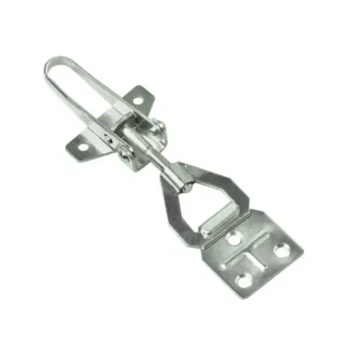
- Heavy Duty Adjustable Hive Connector
- Professional Grade Foldable Beehive Handles
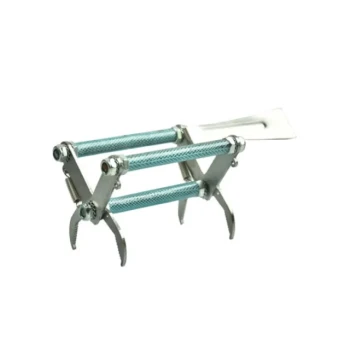
- Multi-Function Plier-Style Frame Grip Hive Tool
- Plastic Bee Frame Beekeeping Hive Frames for Wholesale
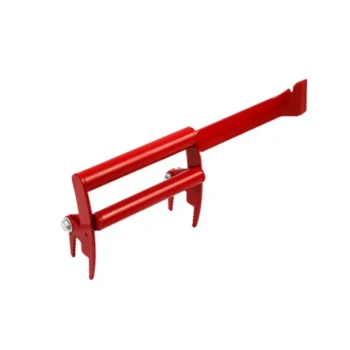
- Heavy-Duty Lever-Action Frame Grip with Hive Tool
People Also Ask
- Under what circumstance are beehive connectors particularly beneficial? Optimize Handling for Full Beehive Attachments
- What is the advantage of using the beehive connector when handling full attachments? Achieve Safe and Efficient Hive Transport
- What are the primary functions of a beehive connector? Ensure Hive Stability and Safe Colony Transport
- How can the connection length and strength of a beehive connector be adjusted? Master Tension with Threaded Mechanics
- What is the purpose of the beehive connector? Secure Your Hive for Safe Transport