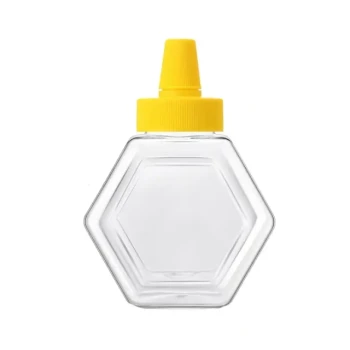
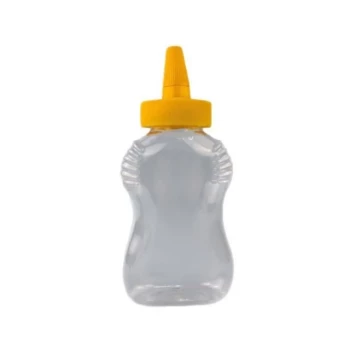
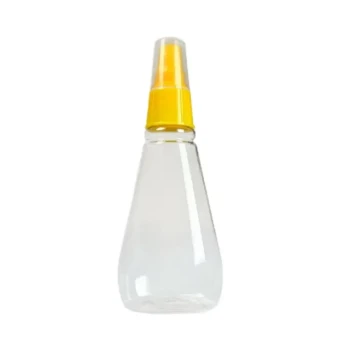
The primary technical advantage of using a narrow-necked bottle for apiary feeding is the ability to mechanically regulate the delivery of syrup. By restricting the liquid interface, this equipment prevents the chaotic surges common in open feeding, directly reducing bee mortality and external threats while aligning with the colony's biological rhythms.
By imposing a physical limit on syrup access, narrow-necked bottles shift feeding from a rapid consumption model to a sustained intake model. This mimics natural nectar flow, protecting the hive from drowning and theft while optimizing nutrient absorption.
The Mechanics of Flow Control
Precision in Delivery
The geometry of a narrow neck inherently restricts the volume of liquid that can be accessed at any single moment. This provides precise control over the flow rate, ensuring the syrup is dispensed only as fast as the bees can consume it.
Preventing Mortality
In rapid feeding scenarios, large volumes of syrup can overwhelm the bees, leading to significant losses from drowning. A narrow-necked design eliminates this surge, creating a safe interface where bees can feed without the risk of becoming submerged.
Security and Biological Efficiency
Mitigating the Risk of Robbing
Rapid, open access to sugar syrup can trigger a feeding frenzy that attracts bees from neighboring colonies. By limiting the surface area and scent dispersal, narrow-necked bottles reduce the risk of robbing, keeping the resources secure for the intended hive.
Mimicking Natural Sources
Honeybees are biologically adapted to gather nectar from flowers, which release resources slowly. This feeding method mimics the slow, natural flow of nectar, reducing digestive stress and maintaining colony order.
Optimizing Nutrient Absorption
Because the flow is steady rather than torrential, the colony is encouraged to process the food efficiently. This controlled pace promotes a steady and efficient absorption of nutrients, ensuring the syrup is properly stored and utilized rather than just rapidly consumed.
Understanding the Trade-offs
The Speed Limitation
While slow flow is generally advantageous for health, it can be a limitation in emergency scenarios. If a colony is on the brink of starvation and requires immediate, high-volume caloric intake, the restricted flow rate of a narrow-necked bottle may be too slow to save them in time.
Monitoring Requirements
Because the feed is consumed more slowly, it may be harder to instantly gauge the colony's appetite compared to rapid feeders. You must accept that intake will be gradual, requiring patience when assessing how much food the hive has accepted.
Making the Right Choice for Your Goal
To determine if this equipment aligns with your current management strategy, consider your immediate objectives:
- If your primary focus is Colony Safety: Use narrow-necked bottles to virtually eliminate drowning risks and prevent robbing events during dearths.
- If your primary focus is Biological Optimization: Choose this method to simulate natural foraging conditions, allowing the bees to process nutrients at a healthy, sustainable rhythm.
By controlling the flow, you are not just feeding your bees; you are managing their environment for maximum stability.
Summary Table:
| Feature | Technical Advantage | Impact on Apiary Health |
|---|---|---|
| Flow Regulation | Restricts liquid interface | Prevents drowning and chaotic feeding surges |
| Scent Dispersal | Minimal surface area exposure | Significantly reduces the risk of hive robbing |
| Consumption Rate | Sustained intake model | Mimics natural nectar flow and reduces digestive stress |
| Nutrient Storage | Steady processing speed | Promotes efficient absorption and organized syrup storage |
Elevate Your Beekeeping Operation with HONESTBEE
Are you looking to enhance the efficiency and safety of your apiary? At HONESTBEE, we specialize in supporting commercial apiaries and distributors with high-quality, professional-grade equipment. From precision feeding tools like narrow-necked bottle systems to advanced honey-filling machines and specialized hive-making hardware, we provide the full spectrum of tools you need to succeed.
Our comprehensive wholesale offering ensures that your business stays supplied with essential industry consumables and innovative machinery designed for biological optimization. Partner with HONESTBEE today to access premium beekeeping equipment and expert solutions tailored to your large-scale needs.
Contact our team now to discuss your wholesale requirements
References
- Stephen Palmer. Beekeeping in the Falkland Islands. DOI: 10.1080/00218839.2008.11101481
This article is also based on technical information from HonestBee Knowledge Base .
Related Products
- Hexagonal Squeeze Honey Bottle with No Drip Lid
- Ergonomic Squeezable Honey Bottle with Precision Twist Nozzle Cap
- Classic Beehive Honey Bottle Jar with Squeeze Dispenser Lid
- Premium PET Squeeze Honey Bottle with Ergonomic Grip and Rotary Dispenser
People Also Ask
- What are the benefits of squeeze bottles for honey packaging? Unlock Mess-Free Convenience & Control
- How do honey bottles contribute to the preservation of honey products? Secure Quality and Commercial Value
- What are the features of honey bottles? Design for Convenience & Long-Term Preservation
- How should honey bottles be prepared before pouring honey into them? The #1 Rule for Honey Longevity
- What are the features and benefits of using honey bottles for packaging? Optimize Preservation and Consumer Experience