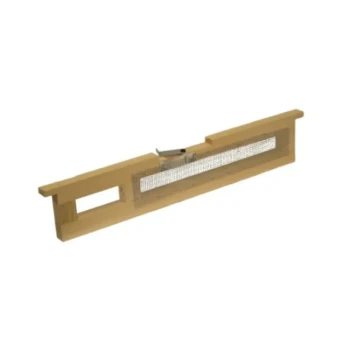
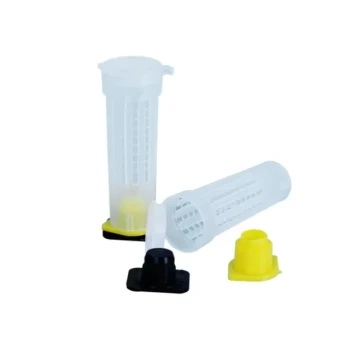
Breeding crates serve as a critical infrastructure upgrade for stingless bee management, moving the practice from opportunistic extraction to a standardized, semi-managed agricultural system. By replacing natural cavities with artificial hives, operators can perform systematic monitoring and non-destructive harvesting, eliminating the need to fell trees or damage nest structures to access resources.
The transition to breeding crates fundamental alters the economics and ecology of beekeeping: it replaces the one-time, destructive harvest of wild colonies with a sustainable model that protects the hive structure, ensures larval survival, and stabilizes long-term production.
The Shift to Semi-Managed Systems
Standardization of Environment
In the wild, stingless bees inhabit irregular cavities that are difficult to access without causing damage. Breeding crates provide a standardized environment, creating a predictable physical space for the colony.
This standardization is the technical foundation for moving from wild harvesting to semi-managed beekeeping. It allows for repeatable processes regarding hive placement, expansion, and inspection.
Systematic Monitoring
Wild harvesting is often a "blind" process. In contrast, artificial hives enable the systematic monitoring of colony health.
Beekeepers can inspect the colony to check for disease, pests, or population levels without dismantling the nest. This allows for proactive management rather than reactive extraction.
Preservation of Hive Architecture
Eliminating Destructive Practices
Traditional wild harvesting is inherently destructive, often involving the use of axes or saws to cut open tree trunks. This frequently results in the death of the colony or the destruction of its habitat.
Breeding crates allow for the collection of honey and propolis without the need for destructive practices. The hive remains intact during and after the harvest.
Protecting Critical Biomass
Beyond the honey, the survival of the colony depends on the brood (larvae) and the physical structure of the nest. Wild harvesting often compromises these elements.
Artificial hives are designed to protect the hive structure and larvae. This ensures that the biological engine of the colony—the bees themselves—remains unharmed and capable of regeneration.
Operational Efficiency and Yield
Predictability of Output
Wild harvesting yields are highly variable and dependent on finding new nests. Breeding crates ensure a more consistent and predictable output of bee products.
By maintaining a stable colony in a controlled environment, the production of honey, wax, and propolis becomes a renewable cycle rather than a terminal event.
Long-Term Economic Viability
The protection of the colony translates directly to long-term economic yield. A surviving colony can produce for years, whereas a destroyed wild nest offers a yield only once.
This approach supports biodiversity by maintaining active pollinators in the ecosystem, which in turn supports the flora required for future honey production.
Understanding the Trade-offs
The Requirement of Management
Moving to breeding crates requires a shift in mindset. It demands a commitment to ongoing maintenance rather than simple gathering.
Initial Setup vs. Immediate Reward
While wild harvesting offers immediate gratification with zero infrastructure cost, breeding crates require an upfront investment in materials and setup. The return on investment is realized over time through colony longevity and repeated harvests.
Making the Right Choice for Your Goal
Adopting breeding crates is a strategic decision that prioritizes sustainability and control over immediate, low-effort extraction.
- If your primary focus is Ecological Conservation: Prioritize crates to protect the larvae and hive structure, ensuring the preservation of local biodiversity.
- If your primary focus is Commercial Production: Utilize crates to establish a consistent and predictable output, enabling a scalable supply chain for honey and propolis.
The move to artificial hives transforms beekeeping from a resource-depleting activity into a regenerative agricultural practice.
Summary Table:
| Feature | Wild Harvesting | Breeding Crates (Managed) |
|---|---|---|
| Harvest Method | Destructive (felling trees/cutting) | Non-destructive & repeatable |
| Colony Survival | Low (frequently terminal) | High (protected brood/structure) |
| Yield Consistency | Opportunistic & unpredictable | Stable & predictable cycle |
| Monitoring | None (blind extraction) | Systematic health inspections |
| Environmental Impact | Habitat loss | Biodiversity conservation |
| Economic Value | Single-use extraction | Long-term renewable asset |
Elevate Your Apiary with Professional Solutions
Transitioning from wild harvesting to managed breeding crates is the key to unlocking the full potential of your stingless bee operation. At HONESTBEE, we specialize in empowering commercial apiaries and distributors with the high-quality infrastructure needed for scalable success.
From precision-engineered breeding crates and honey-filling machines to a comprehensive range of professional beekeeping tools and industry consumables, we provide everything you need to transform your production into a high-yield, sustainable enterprise. Our portfolio is designed to meet the rigorous demands of large-scale operations and cultural merchandise markets.
Ready to scale your bee business? Contact us today to explore our wholesale offerings and discover how HONESTBEE can optimize your management efficiency and long-term profitability.
References
- Fabio Fernando Flores, Liliana C. Lupo. Melliferous insects and the uses assigned to their products in the northern Yungas of Salta, Argentina. DOI: 10.1186/s13002-018-0222-y
This article is also based on technical information from HonestBee Knowledge Base .
Related Products
- Plastic Transporting Bee Packages and Nuc Boxes for Beekeeping
- Stainless Steel Queen Grafting Tool for Beekeeping and Bee Queen Grafting
- Double Head Beekeeping Grafting Tools for Beekeepers
- Twin Queen Styrofoam Honey Bee Nucs Mating and Breeding Box
- Professional Wooden Requeening Frame for Beekeeping
People Also Ask
- What role do bee package boxes play in the commercial transport and expansion of honeybee colonies? - Logistic Essentials
- What are beekeeping boxes called? A Guide to Hive Bodies and Box Types
- How do standardized bee packages serve as a recovery mechanism for commercial beekeeping? Ensure Business Continuity
- What is the commercial value of using standardized bee packages? Drive Scalability in Large-Scale Apiaries
- Why is the timely introduction of high-quality bee packages critical? Save Your Apiary from Asian Hornet Invasions