Collecting live honey bee samples requires a delicate balance between secure containment and biological maintenance. Using glass containers topped with breathable fabric lids provides the necessary ventilation to prevent suffocation during transport from the apiary to the laboratory. This specific configuration mitigates metabolic stress, ensuring that the biological state of the bees remains unaltered before processing.
The combination of glass containers and breathable fabric creates an optimal micro-environment that maintains physiological integrity during short-distance transport, directly safeguarding the accuracy of downstream nutritional analysis.
The Mechanics of Sample Preservation
Ensuring Sufficient Ventilation
Live worker bees continue to respire and generate heat after collection.
Placing them in airtight environments leads to rapid oxygen depletion and carbon dioxide buildup.
Breathable fabric lids facilitate continuous gas exchange, preventing the immediate risk of suffocation that occurs with sealed lids.
Preventing Metabolic Stress
Transport is a critical variable in biological research; high stress levels can alter a specimen's internal chemistry.
When bees struggle for air, they experience metabolic stress.
This stress response can artificially spike or deplete certain biological markers, ruining the sample before it ever reaches the freezer.
Impact on Data Accuracy
Preserving Physiological Integrity
The goal of field sampling is to capture a snapshot of the bee's condition as it was in the hive.
By using breathable lids, you minimize the environmental shock the bees experience during the journey to the lab.
This approach maximizes the preservation of the sample's physiological integrity, keeping it as close to the natural baseline as possible.
Securing Valid Nutritional Detection
The primary reference highlights the direct link between transport methods and the accuracy of nutritional detection results.
If a bee undergoes significant stress or hypoxia (lack of oxygen) during transport, its nutritional profile may change rapidly.
Proper ventilation ensures that the data you extract in the lab reflects the bee's actual nutritional status, not a stress-induced artifact.
Understanding the Trade-offs
The Limitation of Distance
This method is explicitly optimized for short-distance transport.
While breathable lids prevent suffocation, they do not provide life support for long-duration shipping or extended periods outside the hive.
Fragility and Handling
Unlike plastic, glass containers introduce a risk of breakage in rugged field conditions.
However, glass is often preferred in chemical analysis because it is inert and does not leach chemicals into the sample, justifying the extra care required.
Optimizing Your Collection Protocol
To ensure your data withstands scientific scrutiny, align your collection method with your analytical goals.
- If your primary focus is sample survival: Use breathable fabric lids to strictly avoid airtight conditions that lead to immediate suffocation.
- If your primary focus is data accuracy: Prioritize ventilation to minimize metabolic stress, which ensures your nutritional detection results are not skewed by transport conditions.
Treating the transport phase as a critical experimental variable is essential for obtaining valid, reproducible biological data.
Summary Table:
| Feature | Technical Advantage | Impact on Research |
|---|---|---|
| Breathable Fabric Lid | Facilitates continuous gas exchange | Prevents suffocation and CO2 buildup |
| Inert Glass Body | No chemical leaching or contamination | Ensures high-purity chemical analysis |
| Ventilation Control | Minimizes metabolic stress | Preserves physiological integrity of samples |
| Short-range Design | Optimal micro-environment maintenance | Guarantees accurate nutritional detection |
Elevate Your Apiary Operations with HONESTBEE
At HONESTBEE, we understand that precision in the field leads to excellence in the lab. Whether you are a commercial apiary or a specialized distributor, we provide the high-quality tools necessary to maintain the integrity of your honey bee samples and hive health.
Our comprehensive wholesale portfolio includes:
- Specialized Hardware: From hive-making machinery to precise honey-filling equipment.
- Essential Consumables: A wide array of industry-standard supplies for daily operations.
- Cultural Merchandise: Unique honey-themed products to expand your brand's reach.
Partner with a supplier that values biological accuracy as much as you do. Contact HONESTBEE today to discover how our professional beekeeping equipment and global wholesale solutions can streamline your business and improve your research outcomes.
References
- Stephane Knoll, Maria Grazia Cappai. The Nutritional Year-Cycle of Italian Honey Bees (Apis mellifera ligustica) in a Southern Temperate Climate. DOI: 10.3390/agriculture14050730
This article is also based on technical information from HonestBee Knowledge Base .
Related Products
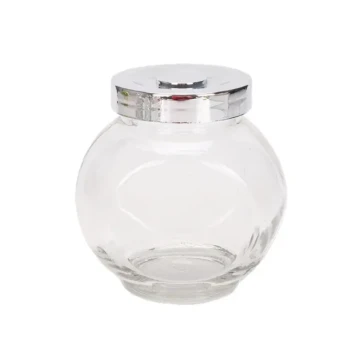
- Classic Drum Shaped Glass Honey Jar with Airtight Lid
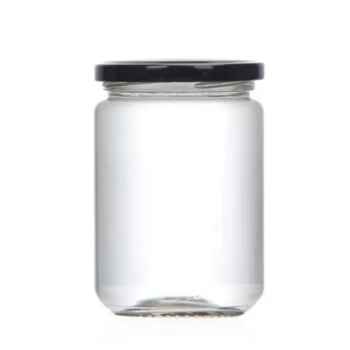
- Classic Round Glass Honey Jar with Lid
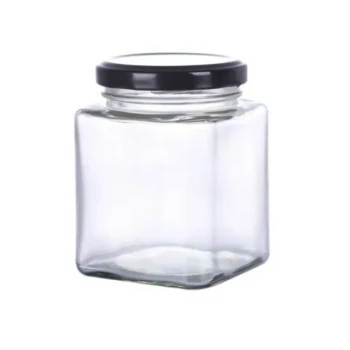
- Modern Square Glass Honey Jar with Twist Off Lid
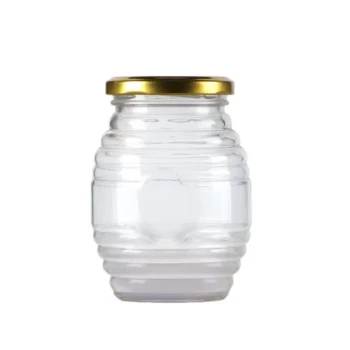
- Classic Glass Honey Jar with Metal Lug Cap for Beehive Storage
- Acrylic Lid Beekeeping Honey Extractor for Beekeepers
People Also Ask
- What is the best utensil to store honey? Preserve Purity with the Right Container
- How does the appearance of glass jar packaging affect the sales and perception of honey? Boost Your Premium Brand Value
- Why is a glass jar preferred for packaging honey? Ultimate Protection for Purity & Flavor
- What is the aesthetic appeal of using glass jars for honey? Elevate Your Brand with Premium Packaging
- What are the advantages of glass containers for honey? Elevate Quality and Market Value with Premium Packaging