The safety of the colony depends on two critical design factors. When designing or using a bee feeder, the two primary concerns are preventing leaks and minimizing bee drowning. Failing to address these issues can trigger aggressive behavior from other colonies or result in unnecessary mortality within your own hive.
A successful feeder design must strike a balance: it must contain the syrup securely to prevent robbing while simultaneously allowing bees safe access without the risk of entrapment in the liquid.
Concern 1: Preventing Leaks and Robbing
The Dangers of Leaking Syrup
The primary mechanical concern with any feeder is its ability to hold liquid without dripping. Leaking sugar water is not merely a waste of resources; it is a significant security risk for the hive.
Triggering the Robbing Instinct
When syrup leaks outside the feeder, it attracts bees from other colonies. This can instigate robbing behavior, where stronger colonies attack a weaker hive to steal its resources, often destroying the weaker colony in the process.
The Role of Construction Materials
To mitigate leaks, the feeder must be constructed from high-quality materials. Food-grade plastic is essential not only for safety but for structural integrity.
Mesh Design in Pail Feeders
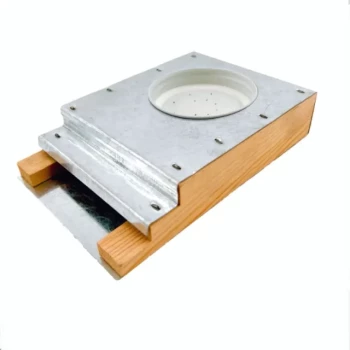
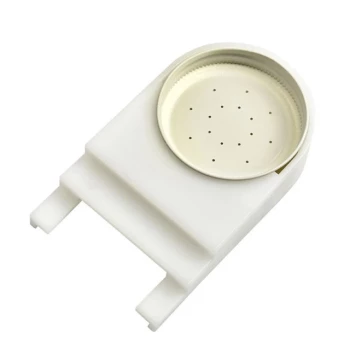
For specific designs like inverted pail feeders, leakage is often controlled by the lid mechanism. It is critical to use equipment designed specifically for beekeeping that includes fine mesh covering the hole. Improper or makeshift containers often result in excessive dripping, which attracts pests like ants and foreign bees.
Concern 2: Preventing Bee Drowning
Eliminating Open Pools
The second major concern is the safety of the individual bee while feeding. If a design allows bees to access open pools of sugar water, they can easily fall in and drown.
Restricting Access
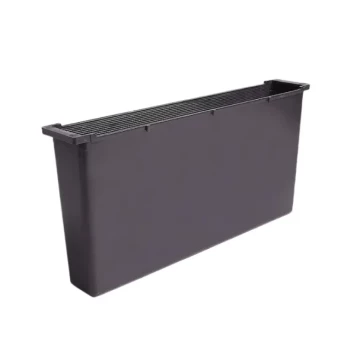
Effective feeder design must deliver sustenance without granting access to the reservoir. The bees should be able to reach the syrup, but they must not be able to submerge themselves in it.
The Advantage of Jar Feeders
According to standard apiary practices, jar feeders are generally considered safe regarding drowning risks. Because the bees cannot physically enter the container, they remain dry while accessing the feed through small perforations.
Understanding the Trade-offs
Equipment Compatibility
While safety is paramount, a feeder must also physically fit your apiary setup. Selecting the right feeder depends heavily on your hive type, whether it is a Langstroth, Flow, Top bar, or Horizontal hive. A "safe" feeder that does not fit the hive architecture can lead to gaps, which reintroduces the risk of robbing.
Timing and Necessity
Feeding is not a passive activity; it requires strategic timing. Feeders are essential during colony establishment and the winter months to prevent starvation. However, using them outside these windows without monitoring food shortages can be unnecessary and introduces the management risks mentioned above without benefit.
Making the Right Choice for Your Goal
To select the most effective equipment for your apiary, consider your specific constraints:
- If your primary focus is hive security: Prioritize feeders with fine mesh or vacuum-seal designs (like jars) to strictly prevent leaks that trigger robbing.
- If your primary focus is colony population retention: Avoid open-trough designs in favor of feeders that physically separate the bees from the liquid reservoir to prevent drowning.
By rigorously addressing leak prevention and drowning risks, you transform the feeder from a potential hazard into a vital tool for colony survival.
Summary Table:
| Concern | Primary Risk | Mitigation Strategy |
|---|---|---|
| Leaking Syrup | Triggers robbing behavior and attracts pests. | Use food-grade plastics and high-quality mesh/vacuum seals. |
| Bee Drowning | Rapid colony population decline and waste. | Implement restricted access designs like jar or mesh-covered feeders. |
| Equipment Fit | Gaps that allow external access to the hive. | Ensure feeder compatibility with specific hive types (e.g., Langstroth). |
| Strategic Timing | Unnecessary management risks. | Limit feeding to colony establishment and winter prep. |
Elevate Your Apiary Operations with HONESTBEE
Don't let poor equipment design compromise your colony's health. At HONESTBEE, we specialize in providing commercial apiaries and distributors with professional-grade beekeeping tools designed to solve the industry's toughest challenges. From precision-engineered bee feeders that prevent leaks and drowning to advanced honey-filling machines and hive-making equipment, our wholesale portfolio covers everything you need to scale efficiently.
Partner with HONESTBEE today for:
- High-Quality Hardware: Durable machinery and specialized beekeeping tools.
- Essential Consumables: A full spectrum of supplies for year-round maintenance.
- Wholesale Expertise: Tailored solutions for large-scale operations and distributors.
Contact us today to discover how our comprehensive equipment range can secure your bees and optimize your production.
Related Products
- Rapid Bee Feeder White Plastic 2L Round Top Feeder for 8 or 10-Frame Bee Hives
- HONESTBEE Entrance Bee Feeder Professional Hive Nutrition Solution for Beekeeping
- White Plastic 0.5L Beekeeping Entrance Feeder for Bees
- HONESTBEE Entrance Bee Feeder Efficient Hive Front Liquid Feeding Solution for Beekeeping
- HONESTBEE Professional Entrance Bee Feeder Hive Nutrition Solution
People Also Ask
- What should be done with feeders and equipment after feeding bees? Essential Steps for Apiary Health
- What should be done if feed in a feeder is not consumed by the bees? Prevent Hive Mold with Prompt Feed Management
- What is the necessity of specialized internal or entrance feeders? Secure Your Hive with Professional Feeding Tools
- How do bee feeders work to preserve colony health during nectar shortages? Essential Guide for Beekeepers
- How quickly does a medium to strong colony usually empty a feeder? A Beekeeper's Guide to Hive Health