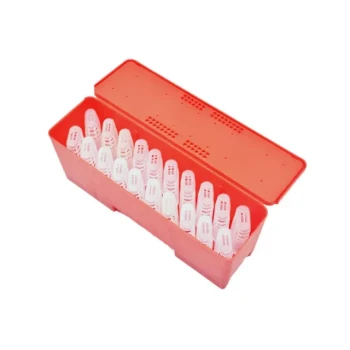
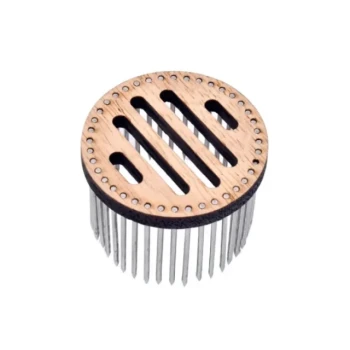
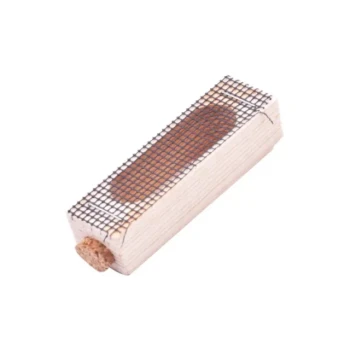
The primary function of ventilated plastic bee cages is to create a secure, breathable isolation environment that maintains the physiological health of worker bees during transport. These cages are specifically designed to prevent hypoxia (oxygen deprivation) and minimize environmental stress, ensuring the insects remain viable for laboratory procedures or bioassays.
Core Takeaway While the immediate function is physical containment, the deeper purpose of these cages is sample preservation. By mitigating stress and preventing hypoxia, they ensure that the biological markers within the bees—such as viral loads—remain stable and authentic for subsequent analysis.
Mechanisms of Sample Preservation
Preventing Hypoxia
The most critical threat to bees during transport is the lack of oxygen.
Ventilated plastic cages feature integrated air exchange systems. This design allows for constant respiration, preventing the buildup of carbon dioxide and ensuring the bees do not succumb to suffocation.
Minimizing Environmental Stress
Transport is an inherently traumatic event for insects.
By isolating worker bees in a secure environment, these cages reduce physical jostling and external disturbances. This stabilization is crucial because high stress levels can alter the bee's physiology, potentially skewing research data before the sample even reaches the lab.
Maintaining Physiological State
The ultimate goal of using these cages is to deliver a "healthy" sample.
The cages ensure that the biological state of the bee at the laboratory matches its state in the field as closely as possible. This is a prerequisite for accurate bioassays and physiological studies.
The Context of Live Transport
Ensuring Viral Accuracy
Transporting bees alive often yields better data than freezing them immediately in the field.
Direct field freezing can introduce freeze-thaw cycles that fluctuate viral titers. Live transport in ventilated cages mitigates this risk, stabilizing viral loads for at least 24 hours.
Authenticity of Analysis
For quantitative analysis, the "authenticity" of the sample is paramount.
By keeping the host organism alive and unstressed, you ensure that subsequent viral load analyses reflect the true biological reality of the apiary, rather than artifacts of poor handling.
Critical Considerations and Trade-offs
The Requirement for Nutrition
Ventilation alone is not enough for survival.
While plastic cages provide air, they must often be used in conjunction with supplemental feed, such as candy. Without a caloric source, the metabolic stress of transport can lead to starvation, negating the benefits of the ventilated cage.
Material Properties
Plastic offers durability, but it interacts with the environment differently than materials like cardboard.
While plastic is excellent for hygiene and security, it may not regulate humidity or temperature as passively as specialized cardboard boxes. Users must monitor external temperature conditions closely to prevent overheating within the plastic enclosure.
Time Constraints
These cages are effective tools, but they are not indefinite solutions.
The stability provided by live transport typically relies on a 24-hour window. Extending transport beyond this timeframe without rigorous environmental controls can lead to physiological degradation regardless of the cage type used.
Optimizing Your Transport Strategy
To ensure your biological samples provide accurate data, align your transport method with your specific research goals.
- If your primary focus is preserving physiological integrity: Prioritize ventilated plastic cages to prevent hypoxia and minimize stress-induced biological changes.
- If your primary focus is long-distance survival: Ensure the cages are equipped with supplemental feed (candy) to support the bees' metabolic needs during transit.
- If your primary focus is viral load accuracy: Utilize live transport within a 24-hour window to avoid the data fluctuations associated with field freezing.
Successful data analysis begins with the integrity of the transport process.
Summary Table:
| Feature | Function | Primary Benefit |
|---|---|---|
| Integrated Ventilation | Facilitates constant air exchange | Prevents hypoxia and CO2 buildup |
| Secure Isolation | Reduces physical jostling and disturbances | Minimizes environmental stress levels |
| Durable Plastic Material | Provides hygienic and sturdy containment | Ensures sample security and reuse |
| Live Transport Support | Maintains biological markers (e.g., viral loads) | Guarantees data accuracy for bioassays |
Maximize Your Apiary Productivity with HONESTBEE
At HONESTBEE, we understand that the success of commercial apiaries and distributors relies on high-quality equipment that protects your most valuable assets. Whether you are transporting live samples for research or managing large-scale honey production, our comprehensive wholesale offering has you covered.
From ventilated bee cages and specialized beekeeping tools to industrial-grade hive-making and honey-filling machines, we provide the full spectrum of hardware and consumables needed to scale your operations. We even offer a unique array of honey-themed cultural merchandise to help you expand your brand's reach.
Ready to elevate your beekeeping business with professional-grade solutions?
Contact our expert team today to discuss your wholesale needs!
References
- Caio E. C. Domingues, Elaine C. Mathias da Silva. Ultrastructural Changes in the Midgut of Brazilian Native Stingless Bee Melipona scutellaris Exposed to Fungicide Pyraclostrobin. DOI: 10.3390/toxics11121028
This article is also based on technical information from HonestBee Knowledge Base .
Related Products
- Durable Plastic Push In Queen Bee Cage
- JZBZ Style Professional Battery Box with 20 Shipping Cages
- Professional Insulated Plastic Bee Hives
- Professional Multi-Compartment Queen Cage with Sliding Lid
- All-Weather Plastic Bellows for Bee Smokers
People Also Ask
- What advantages do push-in queen cages offer? Boost Acceptance Rates for Artificially Inseminated Queens
- What is a push-in queen cage and how does it differ from a standard queen cage? Boosting Your Queen Acceptance Rates
- How can a beekeeper obtain a push-in queen cage? DIY vs. Professional Sourcing Guide
- Why are specialized queen bee cages used for the banking of mated queen bees? Maximize Commercial Apiary Storage Efficiency
- What is a push-in queen cage and how does it differ from standard cages? Achieve Higher Queen Acceptance Rates