Winter feeding requires precise timing to avoid harming the colony you are trying to save. Ideally, you should wait for ambient temperatures to reach approximately 50 degrees Fahrenheit and limit the time the hive is open to a maximum of 10 to 15 seconds to prevent critical heat loss.
The goal of winter feeding is to supplement nutrition without destroying the internal microclimate; speed and temperature awareness are your primary tools for minimizing colony stress.
Operational Guidelines for Feeding
Ideal Temperature Thresholds
You should plan your feeding intervention around the weather forecast. Wait for a day when the ambient temperature reaches approximately 50 degrees Fahrenheit.
Attempting to open the hive in colder temperatures exposes the bees to immediate thermal shock. At 50 degrees, the cluster is looser and better equipped to handle a momentary breach of their environment.
The 15-Second Rule
Speed is your most critical precaution. The hive should remain open for no longer than 10 to 15 seconds.
Every second the cover is off, the colony loses valuable internal heat that they have expended significant energy to generate. Prepare all materials beforehand so your execution is seamless.
Correct Placement of Feed
Place supplemental feed, such as patties, directly on the top bars of the frames.
This location ensures the food is immediately accessible to the cluster without forcing them to break formation to forage in distant parts of the hive.
Protecting the Hive's Thermal Integrity
Heat Retention Strategies
Beyond the feeding moment, the hive environment must be fortified against the cold. Reducing hive entrances limits the intake of freezing air.
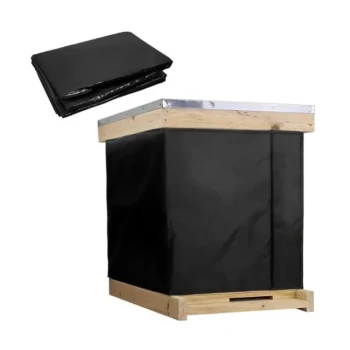
Beekeepers should also consider external insulation, such as wrapping hives with protective materials or installing foam insulation boards. Placing hay bales or wind blocks around the apiary provides additional defense against wind chill.
Moisture and Ventilation Balance
While insulating is necessary, sealing a hive too tightly is dangerous. Proper ventilation is essential to prevent the buildup of condensation.
Excessive moisture inside a cold hive can drip onto the bees, leading to the death of the cluster. You must ensure the hive is protected from wind while still allowing adequate airflow to manage humidity.
Common Pitfalls to Avoid
Prolonged Exposure
A common mistake is using the feeding opportunity to inspect the frames. This is dangerous in winter.
Any activity beyond the 15-second window dramatically increases colony stress and heat loss. Resist the urge to inspect; simply place the feed and close the hive.
The Moisture Trap
Beekeepers often over-prioritize heat retention at the expense of ventilation.
If you block all airflow to keep the hive warm, you create a wet environment. A wet bee in winter is a dead bee, regardless of the temperature.
Making the Right Choice for Your Goal
When managing hives in winter, your decisions must balance immediate nutritional needs with long-term environmental stability.
- If your primary focus is Emergency Feeding: Wait strictly for 50°F weather and adhere to the 15-second limit to provide nutrition without freezing the cluster.
- If your primary focus is Thermal Conservation: Prioritize wind blocks and insulation, but always verify that ventilation routes remain clear to prevent fatal condensation.
Success in winter beekeeping comes down to minimizing your interference while maximizing the colony's ability to retain dry heat.
Summary Table:
| Factor | Ideal Condition/Precaution | Purpose |
|---|---|---|
| Ambient Temperature | Minimum 50°F (10°C) | Prevents thermal shock to the cluster |
| Opening Duration | 10 - 15 Seconds Maximum | Minimizes loss of generated internal heat |
| Feed Placement | Directly on Top Bars | Ensures immediate access for the cluster |
| Thermal Protection | Entrance reducers & Insulation | Limits freezing air intake and retains heat |
| Moisture Control | Upper Ventilation | Prevents fatal condensation buildup |
Scale Your Apiary Operations with HONESTBEE
Managing winter survival at scale requires the right tools and equipment. HONESTBEE empowers commercial apiaries and distributors with a comprehensive wholesale range of beekeeping solutions. From high-efficiency hive-making and honey-filling machinery to essential hardware and industry consumables, we provide everything you need to maintain colony health and productivity.
Enhance your commercial success with our specialized hardware and honey-themed merchandise. Contact HONESTBEE today to discuss how our wholesale offerings can optimize your beekeeping business.
Related Products
- Professional Insulated Winter Hive Wrap for Beekeeping
- HONESTBEE Entrance Bee Feeder Efficient Hive Front Liquid Feeding Solution for Beekeeping
- Rapid Bee Feeder White Plastic 2L Round Top Feeder for 8 or 10-Frame Bee Hives
- 3.5L Plastic Beehive Frame Feeder Deep Frame Water Feeder for In Hive Use
- Classic Boardman Entrance Bee Feeder Hive Front Feeding Solution
People Also Ask
- What are the steps to properly wrap a beehive for winter? Ensure Your Colony Survives the Cold
- When is the best time to wrap a beehive for winter? A Guide to Perfect Winterization Timing
- How do professional insulation wraps provide protection for bee colonies? Optimize Winter Survival & Energy Efficiency
- What are the technical benefits of using winter wraps for beehive insulation? Boost Colony Survival & Hive Health
- What are the benefits of using insulated covers for hives? Ensure Colony Survival and Health