The essential apiary toolkit combines protection, inspection, sanitation, and colony-management equipment. Pest-resistant covers, ventilated hive components, entrance reducers, pest traps, protective clothing, smokers, hive tools, and disease-monitoring supplies help control the conditions that trigger absconding and colony losses. These tools are effective only when paired with regular inspections, hygiene protocols, feeding plans, swarm control, and systematic replacement of old brood frames.
The strongest defense is not a single product but an integrated management system: stabilize the hive environment, detect problems early, prevent cross-colony transmission, and respond with the correct equipment and treatment protocol.
Stabilizing Hives to Reduce Absconding
Use weather-resistant hive protection
Durable hive covers and shields protect colonies from rain, excessive heat, moisture accumulation, and other environmental stressors. Metal or high-grade plastic covers are generally more reliable than improvised sheet wraps because they are designed to protect the hive without unnecessarily restricting ventilation.
Covers should be matched with secure hive bodies and properly fitted components. Poorly fitted protection can trap moisture, create overheating, or provide entry points for pests.
Improve ventilation and drainage
Ventilated hive tops, screened openings, and entrance gates help regulate temperature and humidity. A hive should be protected from weather while still allowing sufficient airflow.
Hives can also be positioned with a slight forward tilt so liquid drains away from the entrance. This simple management practice helps reduce moisture buildup inside the hive.
Maintain reliable feeding capability
Hive-top feeders and other purpose-built feeding equipment support colonies during nectar dearths or periods of environmental stress. Supplemental feeding can help prevent starvation, which is one potential trigger for absconding.
Feeding equipment should be clean, leak-resistant, and easy to inspect. Spilled syrup can attract ants, wasps, small hive beetles, and other pests.
Equipment for Detecting Pests and Disease Early
Standardize inspection equipment
Every apiary team should have consistent hive tools, frame-handling equipment, smokers, lighting, and inspection containers. Standardized tools make inspections faster and help workers identify changes in brood patterns, queen performance, food stores, and pest activity.
Stainless-steel hive tools are particularly useful because they are durable, non-porous, and easier to clean between colonies.
Monitor Varroa and other parasites
Targeted pest-monitoring supplies and treatment-application equipment allow beekeepers to identify mite or parasite pressure before colonies become severely weakened. Monitoring should guide treatment decisions rather than relying on assumptions or calendar-only applications.
The exact treatment method must follow local regulations, product instructions, and label requirements. Improper application can harm bees, contaminate hive products, or contribute to treatment resistance.
Control small hive beetles and crawling pests
Bottom-board oil traps, pest traps, entrance reducers, and screened hive components help limit pest access and make infestations easier to detect. These tools are most effective when combined with strong colonies, clean equipment, and removal of heavily infested material.
Entrance reducers should be selected according to colony strength and seasonal conditions. Excessive restriction can interfere with ventilation or colony traffic.
Use disease-monitoring supplies
Disease detection kits, sample containers, inspection records, and appropriate protective equipment support early identification of brood and adult-bee health problems. Beekeepers should record abnormal brood patterns, odor, larvae, adult-bee behavior, and visible pest evidence.
Suspected serious disease should be handled according to local veterinary, beekeeping, or regulatory guidance. Moving affected frames or equipment between colonies can rapidly spread pathogens.
Management Equipment for Strong, Stable Colonies
Apply structured swarm-control tools
Standard brood boxes, supers, frames, queen-management equipment, and swarm-control tools help maintain adequate space and reduce congestion. Overcrowding can increase swarming pressure and make inspections more difficult.
Expansion should be based on colony strength, available forage, weather, and inspection findings. Adding space too early can leave a weak colony harder to defend.
Replace old brood frames systematically
A planned frame-replacement program reduces the long-term accumulation of contaminants and deteriorated comb. It also creates a consistent management cycle for commercial operations.
Old or suspect frames should be handled separately and never casually transferred to another colony. Frame tracking is especially important for distributors, large apiaries, and operations managing multiple yards.
Maintain appropriate colony density
Apiary layout and colony density influence drifting, robbing, pest pressure, and disease transmission. Adequate spacing, clear hive identification, and organized yard records make it easier to isolate problems and inspect colonies efficiently.
Commercial operators should maintain accurate records for inspections, queen status, feeding, treatments, frame movement, and disease observations.
Support safe and efficient inspections
Protective suits, gloves, veils, smokers, hive stands, frame grips, and ergonomic handling tools reduce disruption and improve worker safety. A calmer inspection is less stressful for both the beekeeper and the colony.
Equipment should be selected for durability and ease of sanitation, especially when it is used across many colonies or by multiple workers.
Hygiene and Biosecurity Tools
Use cleanable hive components
Non-porous, easily cleaned hive components help reduce the risk of transferring pathogens. Stainless-steel hive tools and sanitary frame-handling equipment are well suited to repeated commercial use.
Cleaning protocols should distinguish between routine cleaning and equipment exposed to suspected disease. Suspect material may require isolation, destruction, or approved disinfection procedures rather than ordinary wiping.
Prevent cross-colony transmission
Tools, gloves, frames, feeders, and boxes can transfer pests and pathogens between colonies. Beekeepers should avoid moving material from weak or symptomatic colonies into healthy colonies without assessment and appropriate controls.
Dedicated tools for separate apiary sites can further reduce transmission risk, although they increase inventory and logistical requirements.
Organize consumables and replacement parts
A dependable apiary supply program should include spare entrance reducers, screened components, covers, frames, feeders, protective clothing, smoker fuel, cleaning supplies, and pest-monitoring materials.
For wholesalers and resellers, a full-spectrum product portfolio is more valuable than isolated product availability because beekeepers often need coordinated equipment to address one operational risk.
Understanding the Trade-offs
More protection can create ventilation problems
A fully sealed hive may appear better protected but can trap heat and moisture. Covers, screens, and entrance components must work together rather than being selected independently.
Pest treatments require precision
Pest-control products are not substitutes for monitoring, sanitation, and strong colony management. Incorrect dosage, timing, or application can damage colonies and undermine the effectiveness of future control measures.
Standardization improves scale but reduces flexibility
Uniform hive components simplify purchasing, training, inspections, and replacement. However, equipment must still be adapted to colony strength, climate, hive design, and local operating conditions.
Low-cost improvisation can increase total cost
Plastic or metal sheet wraps may have a low initial price but can create ventilation, moisture, durability, and pest-entry problems. The resulting absconding, disease spread, or colony replacement costs can exceed the original equipment savings.
More inspections are not always better inspections
Frequent, poorly planned disturbance can stress colonies. Inspections should be regular and purposeful, with trained personnel using suitable protective and inspection equipment.
Building a Reliable Apiary Supply and Management System
The most effective approach is to combine product availability with operating procedures and responsive technical support.
- If your primary focus is preventing absconding: Prioritize weather-resistant hive covers, ventilated components, entrance gates, reliable feeders, stable hive stands, and inspection tools for checking moisture, food stores, and queen performance.
- If your primary focus is controlling pests: Stock entrance reducers, screened components, bottom-board oil traps, pest-monitoring supplies, and approved treatment-application equipment.
- If your primary focus is reducing disease transmission: Use non-porous hive tools, sanitary frame-handling equipment, protective gear, disease-monitoring supplies, isolation procedures, and a systematic frame-replacement program.
- If your primary focus is commercial scale: Standardize hive hardware, protective equipment, consumables, inspection records, and replacement parts while working with suppliers that provide rapid fulfillment and consistent technical support.
- If your primary focus is beekeeper safety and productivity: Select durable smokers, hive tools, suits, gloves, frame grips, and ergonomic equipment that reduce inspection time and unnecessary colony disturbance.
A well-equipped apiary turns risk management from improvised reaction into a repeatable system for protecting colonies, reducing losses, and sustaining productive operations.
Summary Table:
| Risk | Essential Equipment | Management Tools |
|---|---|---|
| Absconding | Hive covers, ventilated tops, entrance reducers, feeders | Regular inspections, feeding plans, swarm control |
| Pests | Pest traps, oil traps, screened components | Monitoring, hygiene protocols |
| Disease | Disease monitoring kits, non-porous tools | Frame replacement, sanitation, isolation |
Protect your colonies and ensure a steady supply for your business. Partner with HONESTBEE for a full-spectrum apiary supply: hardware, machinery, consumables, and cultural merchandise. We offer premium trading services, fast delivery, and expert support. For distributors and beekeepers, we provide OEM/ODM support, certifications, and reliable supply. Contact us today to discuss your needs.
Related Products
- Professional Grade Foldable Beehive Handles
- Durable Galvanized Steel Frame Grip
- Professional 600D Oxford Cloth Beekeeping Tool Bag with 8 Pockets and Elastic Loops
- Yellow Plastic Bucket Pail Perch for Beekeeping
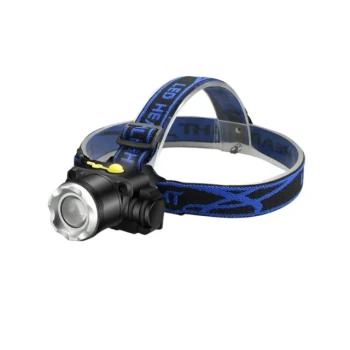
- Professional Rechargeable Beekeeping Headlamp Flashlight with Red Light Mode and Type-C Charging
People Also Ask
- How do bee hive handles facilitate the evaluation of food stores? Use the Lift Test for Winter Survival
- How do the geometry and dimensions of hive handles influence operational safety and control? Expert Design Insights
- What is a bee hive tool? Discover Why It’s the Most Essential Hand Tool for Every Beekeeper
- What are the common sizes and features of bee hive tools? Choose the Right Tools for Your Apiary
- What is the role of professional hive tools in routine apiary maintenance? Expert Tips for Hive Health and Longevity