For short relocations within an apiary, the most reliable approach is to move the hive gradually—only a few feet per day—so returning foragers can recalibrate their flight paths. If the hive must be moved 15–20 meters immediately, place a temporary dummy hive with brood frames and comb at the original location to receive returning foragers, then reunite those bees with the main colony after dusk.
Do not move a hive a short distance in one step unless you provide a recovery method for returning foragers. Use incremental relocation for routine moves, or combine a rapid move with a dummy hive, secure transport equipment, and temporary entrance restriction.
Choose the Relocation Method Before Moving the Hive
Gradual relocation is the preferred method
Move the hive only a few feet, or less than approximately 1 meter, each day. Continue this process over about a week, allowing the bees to update their internal landmarks and flight orientation.
This method minimizes confusion and avoids concentrating returning foragers at the hive’s former position.
Use a dummy hive for an immediate 15–20 meter move
When gradual movement is impractical, place the main hive at its new position and set up a temporary dummy hive at the original site. Equip it with brood frames and drawn comb so returning foragers are encouraged to enter and remain there.
At dusk, when most flying bees have returned, merge the dummy hive back onto the main colony. The next morning, temporarily restrict the entrance with grass or an entrance block so exiting bees must make orientation flights rather than immediately departing on the old flight path.
Equipment Needed for a Safe Hive Relocation
Hive components for recovering foragers
The dummy setup should include:
- An empty hive body or suitable hive box
- Brood frames and drawn comb
- A bottom board and cover
- An entrance block or loosely packed grass for temporary restriction
Using brood and comb makes the temporary location more attractive and gives returning bees a recognizable hive environment.
Equipment for securing the hive
For moving a complete hive, use:
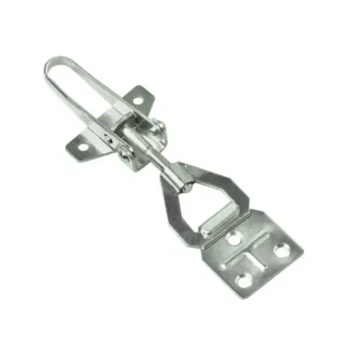
- Heavy-duty ratchet straps to bind the bottom board, hive bodies, and cover together
- Entrance screens made from wire gauze, mesh, or perforated zinc
- Heavy tape for sealing unintended openings
- Frame fasteners or suitable restraints to prevent internal frame movement
The hive should remain a single stable unit during handling. Do not rely on the hive’s normal joints or cover weight to keep boxes together.
Handling and protective equipment
A populated hive can be very heavy, particularly when filled with honey. Recommended handling equipment includes:
- A heavy-duty hand truck or hive trolley
- Protective veil
- Beekeeping gloves
- Appropriate protective clothing
- Assistance from a second handler for heavy or unstable colonies
This equipment reduces the risk of dropped boxes, crushed bees, and defensive behavior caused by rough handling.
Prepare the Hive Before Moving It
Move after foraging has ended
Plan the move for late evening or after dark, when most field bees have returned. This reduces the number of bees outside the hive and makes sealing and handling safer.
Avoid moving during peak foraging activity, especially when the colony is strong and weather conditions are favorable.
Provide airflow while preventing escapes
Cover the entrance with a breathable mesh or screen rather than sealing the hive airtight. The enclosure must contain the bees while allowing continuous ventilation.
Inspect the hive for additional gaps around the boxes, floor, and cover, then seal unwanted openings with heavy tape or suitable temporary material.
Stabilize the internal frames
Frames should be pressed tightly to one side of the brood chamber and secured with frame fasteners or other suitable restraints. This prevents frames from swinging or colliding during movement.
When transporting the hive in a vehicle, orient the frames parallel to the direction of travel to reduce the risk of comb damage from sudden acceleration or braking.
Carry Out the Move Carefully
Keep the hive level
Use a hand truck whenever possible and move slowly over uneven ground. Sudden tilting or jolts can damage comb, dislodge frames, and increase stress within the colony.
If the hive must be lifted, keep the boxes aligned and support the complete assembly rather than lifting individual boxes separately.
Manage heat during closure
A screened hive can still overheat, particularly in warm weather. Keep the move as short as practical and avoid leaving the closed hive in direct sun.
For hot-weather or extended transport, maintain airflow and monitor the colony. Water may be applied over the outer ventilation screen to assist cooling, provided it does not block airflow or flood the hive.
Reopen the hive at the new position
Once the hive is stable at its new location, remove the transport straps and entrance screen when conditions are safe. If the hive was moved rapidly, temporarily restrict the entrance with grass or an entrance block to encourage re-orientation flights.
Do not leave the colony unnecessarily confined, particularly in warm weather.
Help the Bees Re-Orient
Use visual changes at the entrance
Branches, grass, or another temporary visual obstruction placed in front of the entrance can prompt bees to pause and reassess their surroundings as they leave.
This is especially useful after a direct short-distance move, because the surrounding landscape may look familiar while the hive itself is no longer at the expected location.
Allow orientation flights
Orientation flights are short flights in which bees circle and inspect the hive entrance and surrounding landmarks. Temporary entrance restriction encourages this behavior and helps establish the new position.
Remove the restriction once the bees have had an opportunity to reorient, while continuing to observe for congestion or abnormal clustering.
Recover bees from the original position
If foragers continue returning to the old site, inspect the dummy hive and surrounding area. At dusk, reunite the collected bees with the main hive rather than leaving a separate population behind.
The dummy hive technique is most useful when the move must be completed in a single operation and the original location is close enough to remain within the colony’s established flight area.
Understanding the Trade-offs
Gradual movement takes longer
Moving a hive a few feet each day is operationally slower and requires repeated access to the apiary. However, it is usually the least disruptive method for preserving returning foragers.
It also avoids the need to handle a fully loaded hive more than necessary.
A dummy hive requires additional management
The dummy-hive method requires spare equipment, brood frames or drawn comb, and a dusk operation to reunite the bees. If the temporary hive is poorly secured or left unattended, it may create an additional management problem.
It should be treated as a short-term recovery station, not a permanent second colony.
Sealing a hive creates heat and ventilation risks
Screens and mesh prevent escapes but can cause overheating if airflow is inadequate. Never close a hive airtight, and avoid prolonged confinement in direct sunlight.
Heavy straps also need to be tight enough to stabilize the boxes without crushing equipment or distorting the hive.
A single short move can still cause losses
Moving a hive 15–20 meters in one step can leave returning foragers at the original position even when the new hive is clearly visible from it. The colony may survive, but field bees can be lost unless the move includes gradual relocation, a dummy hive, or a deliberate re-orientation procedure.
Making the Right Choice for Your Goal
Use the method that matches the distance, equipment available, and urgency of the move:
- If your primary focus is minimizing forager loss: Move the hive incrementally by a few feet, or less than approximately 1 meter, each day over about a week.
- If your primary focus is completing an immediate 15–20 meter move: Set up a dummy hive with brood frames and comb at the old location, then merge it back with the main hive after dusk.
- If your primary focus is safe physical handling: Move after dark, secure the hive with ratchet straps, restrain the frames, maintain screened ventilation, and use a heavy-duty hand truck.
- If your primary focus is rapid re-orientation: Temporarily restrict the entrance with grass or an entrance block and use visual cues to encourage orientation flights the following morning.
With the right combination of gradual movement, forager recovery, secure equipment, and re-orientation, short hive relocations can be completed without unnecessarily sacrificing field bees.
Summary Table:
| Method | Distance | Forager Impact | Required Equipment | Best Use Case |
|---|---|---|---|---|
| Gradual Relocation | <1 meter per day | Minimal loss | None special | Routine moves within apiary, when time allows |
| Dummy Hive Method | 15-20 meters | Moderate loss | Spare hive body, brood frames, entrance block | Immediate move, when gradual isn't practical |
| Rapid Move with Entrance Restriction | Any short distance | Potential loss | Ratchet straps, entrance screen, grass or block | Emergency moves, after dusk |
At HONESTBEE, we provide top-tier beekeeping equipment and supplies to ensure your hive relocations are smooth and stress-free. Our comprehensive catalog includes hive tools, protective gear, and transport accessories. For distributors and commercial apiaries, we offer competitive wholesale pricing, reliable supply, and expert support. Contact us today to secure your apiary's efficiency and productivity!
Related Products
- Heavy Duty Adjustable Hive Connector
- Durable Plastic Interlocking Hive Connector for Beekeeping
- Plastic Transporting Bee Packages and Nuc Boxes for Beekeeping
- Ergonomic Plastic Frame Spacer Tool for Rapid Hive Management Beekeeping
- Professional Multi-Function Stainless Steel Hive Tool
People Also Ask
- Under what circumstance are beehive connectors particularly beneficial? Optimize Handling for Full Beehive Attachments
- What is the advantage of using the beehive connector when handling full attachments? Achieve Safe and Efficient Hive Transport
- What are the primary functions of a beehive connector? Ensure Hive Stability and Safe Colony Transport
- How can the connection length and strength of a beehive connector be adjusted? Master Tension with Threaded Mechanics
- What is the purpose of the beehive connector? Secure Your Hive for Safe Transport