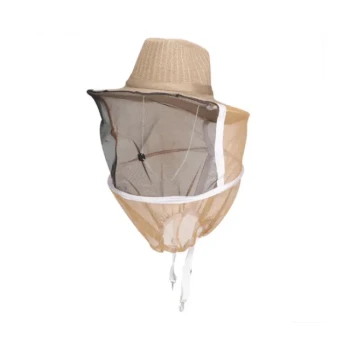
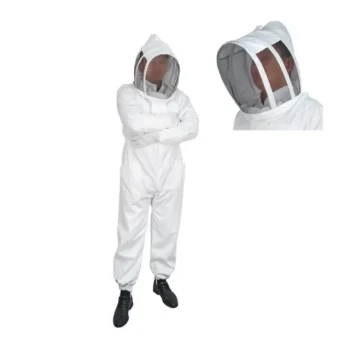
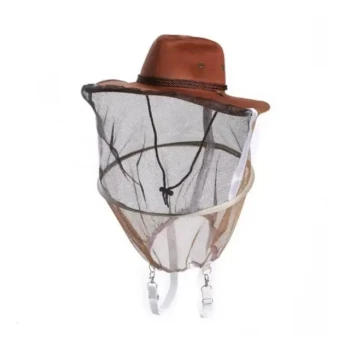
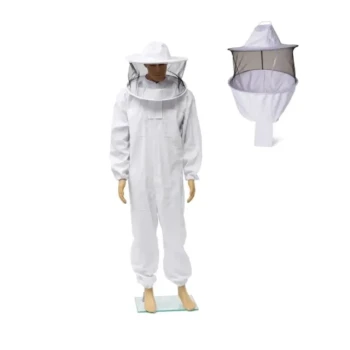
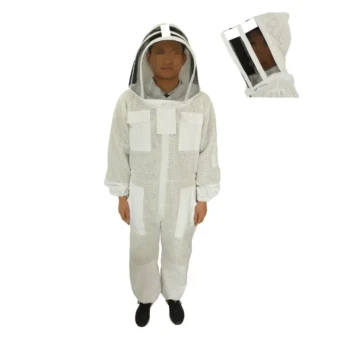
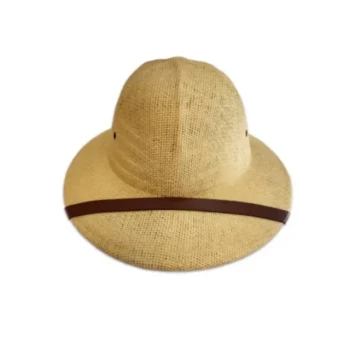
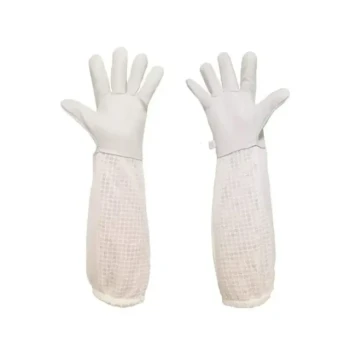
Preventing bees from breaching your veil requires a combination of equipment integrity and disciplined movement. The most effective prevention strategy is utilizing a full-body suit with a permanently attached veil to eliminate connection gaps, ensuring all closures are fully secured, and maintaining calm, deliberate motions to minimize colony defensiveness.
The critical failure point is rarely the mesh itself, but the interface between the veil and the suit; prioritizing permanently attached gear over separate components significantly reduces the risk of ingress.
Optimizing Equipment Integrity
The Integrated Veil Advantage
To ensure maximum security, prioritize a full-body suit where the veil is permanently attached rather than a separate component.
Separate veils rely on drawstrings or zippers that can loosen or be improperly fastened, creating gaps at the neck.
An integrated design removes this variable entirely, creating a seamless barrier between your head and the rest of the suit.
Verifying Seal Continuity
Regardless of the suit style, you must verify that every zipper is fully closed and every Velcro flap is pressed tight.
Check for gaps immediately after donning the gear, paying specific attention to where zippers terminate.
While the veil is the primary concern, ensuring wrists and ankles are sealed with snug elastic prevents bees from crawling up the suit and eventually reaching the neck area.
Behavioral Deterrents
Controlling Speed and Motion
Your physical behavior dictates the colony's defensiveness; you must move slowly and gently at all times.
Rapid or jerky movements are perceived as threats, causing bees to swarm and probe your gear for weaknesses.
By keeping your movements fluid, you reduce the number of bees actively trying to investigate your veil.
Respecting the Flight Path
Avoid blocking the hive entrances with your body while working.
Standing in the flight path causes returning foragers to back up and become agitated around your upper body and head.
Positioning yourself to the side or rear of the hive keeps the air around your veil clear of defensive traffic.
Precision Frame Handling
Handle frames with extreme care to avoid crushing bees or vibrating the comb excessively.
Rough handling releases alarm pheromones, which trigger other bees to target your face and veil.
Gentle manipulation keeps the colony calm, making them less likely to search for entry points in your protective gear.
Common Pitfalls to Avoid
The Risk of Separate Components
While separate jackets and veils offer convenience, they introduce a high-risk failure point at the neck seam.
If you must use separate gear, understand that you are trading maximum security for modularity.
You must be vigilant in checking the overlap between the veil and jacket, as simple movement can shift the fabric and open a gap.
Complacency with Closures
A common error is failing to double-check zippers and seals before approaching the apiary.
Even a high-quality integrated suit will fail if a zipper is left partially open or if a Velcro flap is misaligned.
Always perform a final "integrity check" to ensure there are absolutely no holes or gaps visible.
Making the Right Choice for Your Goal
To select the right equipment and practices for your specific needs, consider the following:
- If your primary focus is Maximum Safety: Choose a full-body suit with a permanently attached veil to eliminate the risk of neck gaps entirely.
- If your primary focus is Colony Management: Prioritize slow, gentle movements and careful frame handling to prevent the bees from becoming defensive in the first place.
Security in beekeeping is not just about the gear you wear, but how calmly you move while wearing it.
Summary Table:
| Feature/Practice | Prevention Benefit | Key Consideration |
|---|---|---|
| Integrated Veil | Eliminates neck gaps entirely | Choose permanently attached over separate gear |
| Sealed Closures | Prevents ingress at zippers/flaps | Always perform a final "integrity check" before entry |
| Elastic Cuffs | Blocks bees from crawling upward | Ensure snug fit at both wrists and ankles |
| Fluid Movements | Minimizes colony defensiveness | Avoid jerky motions that trigger alarm responses |
| Positioning | Keeps flight paths clear | Stand at the side or rear to reduce head-level traffic |
Secure Your Apiary with Professional-Grade Gear
At HONESTBEE, we understand that safety is the foundation of successful beekeeping. Whether you are managing a large-scale commercial operation or distributing equipment to local beekeepers, our comprehensive wholesale solutions provide the security you need.
From high-integrity protective suits and specialized beekeeping tools to advanced honey-filling machinery and unique honey-themed merchandise, we supply everything required to thrive in the industry. Our expertise ensures your team and your customers stay protected and productive.
Contact HONESTBEE today to explore our wholesale catalog and see how our premium equipment can elevate your business!
Related Products
- Beekeeper Cowboy Hat and Veil for Beekeeping
- White Cotton Beekeeping Jacket and Veil for Bee Keepers
- Professional Square Folding Wire Mesh Beekeeping Veil
- Premium Cotton Beekeeper Suit with Reinforced Fencing Veil
- Premium Cowboy Beekeeper Hat with Visibility Veil Outdoor Professional Beekeeping Protective Gear
People Also Ask
- What is the correct way to wash a beekeeping hat and veil? Safe Hand-Washing Guide to Protect Your Gear
- What are the components and importance of a beekeeper's hat and veil? Essential Safety Gear for Apiary Success
- What are the differences between a separated and an attached beekeeping hat and veil? Security vs. Versatility
- What are the design specifications for an effective beekeeping hat and veil? Professional Standards for Protection
- What is the function of a beekeeping hat and veil? Essential Protection for Safe Hive Management