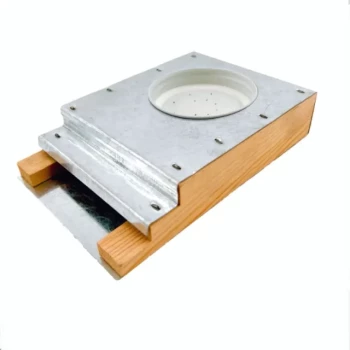
Closed feeding requires specialized equipment designed to integrate directly with the hive structure to provide nutrition in a contained manner. The primary equipment utilized for this method includes hive-top feeders, entrance feeders, and in-hive feeders.
The defining characteristic of closed feeding equipment is exclusivity. These devices create a controlled environment that ensures sugar water is accessible only to the bees within that specific hive, preventing competition from other colonies.
The Core Equipment for Closed Feeding
Hive-Top Feeders
These units are designed to sit directly on top of the hive body, usually underneath the outer cover.
They provide a large reservoir for the sugar water mixture. Because they are placed on the structure, they keep the feed secure and internal to the colony's environment.
Entrance Feeders
As the name implies, these feeders are installed at the hive's entrance.
They typically consist of a reservoir (often a jar) that feeds into the hive entrance. This allows the beekeeper to monitor syrup levels without opening the hive, while still directing the food solely to the occupants.
In-Hive Feeders
These devices are designed to be placed inside the hive body itself, often replacing a frame.
By locating the food source deep within the hive, these feeders offer the highest level of integration. They ensure the feed is kept at the colony's internal temperature and is protected from external elements.
Understanding the Operational Trade-offs
Equipment Installation Requirements
Unlike open feeding, which might use a communal source, closed feeding requires specific hardware for every individual hive.
You must install these feeders within or on the structure. This increases the amount of equipment you must manage and clean for your apiary.
The Benefit of Controlled Access
The primary advantage of using this equipment is the prevention of robbing.
By using devices that restrict access to a specific colony, you minimize the risk of stronger hives stealing resources from weaker ones. The equipment creates a "controlled environment" that creates a barrier against external pests and competitor bees.
Making the Right Choice for Your Goal
Select the feeder type that best aligns with your management style and the specific needs of your colony.
- If your primary focus is monitoring consumption: Consider entrance feeders, as they allow you to check syrup levels visibly without disrupting the hive structure.
- If your primary focus is maximum security and containment: Utilize in-hive or hive-top feeders, as these keep the food source completely enclosed within the hive's controlled environment.
Closed feeding equipment is the standard solution for targeted, secure colony nutrition.
Summary Table:
| Feeder Type | Placement | Best For... | Key Advantage |
|---|---|---|---|
| Hive-Top Feeder | Under outer cover | Large volume feeding | Large reservoir, internal security |
| Entrance Feeder | Hive entrance | Easy monitoring | Check syrup levels without opening hive |
| In-Hive Feeder | Inside hive body | Maximum security | Maintains temperature, highest containment |
Maximize Your Apiary Productivity with HONESTBEE
Efficient nutrition management is the backbone of a successful commercial apiary. HONESTBEE specializes in supporting commercial apiaries and distributors with a comprehensive wholesale offering. Whether you need high-capacity hive-top feeders, precision bee-keeping tools, or advanced honey-filling machines, our portfolio covers the full spectrum of industrial beekeeping needs.
From essential consumables to specialized hardware, we provide the equipment necessary to scale your operations and protect your colonies. Contact us today to discuss our wholesale solutions and discover how our expertise can add value to your business.
Related Products
- Rapid Bee Feeder White Plastic 2L Round Top Feeder for 8 or 10-Frame Bee Hives
- 3.5L Plastic Beehive Frame Feeder Deep Frame Water Feeder for In Hive Use
- HONESTBEE Square Top Hive Bee Feeder Top Bee Feeder
- Professional In-Hive Frame Bee Feeder by HONESTBEE
- HONESTBEE Round Hive Top Bee Feeder for Syrup
People Also Ask
- What should be done with feeders and equipment after feeding bees? Essential Steps for Apiary Health
- What should be done if feed in a feeder is not consumed by the bees? Prevent Hive Mold with Prompt Feed Management
- What is the necessity of specialized internal or entrance feeders? Secure Your Hive with Professional Feeding Tools
- How do bee feeders work to preserve colony health during nectar shortages? Essential Guide for Beekeepers
- How quickly does a medium to strong colony usually empty a feeder? A Beekeeper's Guide to Hive Health