To successfully perform a beehive split, you primarily need a separate housing unit—typically a 5-frame nucleus box (nuc) complete with a lid and bottom board—along with additional frames to restock the hives.
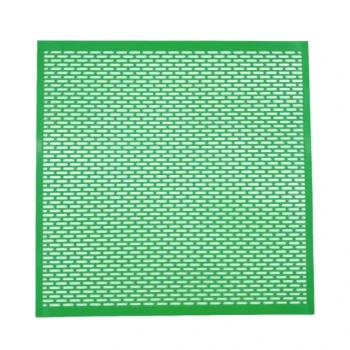
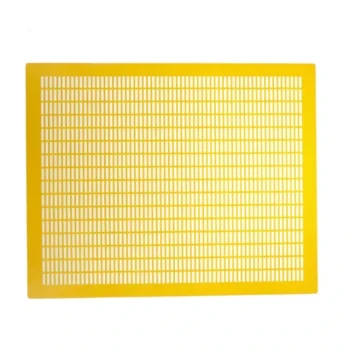
Essential management tools include a sugar water feeder to support both colonies during the transition and a queen excluder, which is critical for isolating the queen or managing colony density without manual searching.
Core Takeaway A successful split relies on providing immediate resources and a controlled environment, not just separating insects. The critical equipment—specifically the nucleus box, supplementary frames, and feeders—serves to stabilize the new colony's temperature and nutrition while reducing stress on the parent hive.
The Housing Infrastructure
The Nucleus Box (Nuc)
The cornerstone of a split is the 5-frame nucleus box. This can be constructed from wood or plastic, but it must include a secure top cover and a bottom board.
A smaller "nuc" box is superior to a full-sized hive body for a new split because the reduced volume helps the smaller population regulate temperature and humidity more efficiently.
Replacement Frames
You must have additional frames on hand before beginning the procedure. You will need enough frames to fill the new nuc box and to replace the frames you remove from the parent hive.
Ideally, these frames should contain drawn comb, which allows the queen to lay eggs immediately. If drawn comb is unavailable, high-quality foundation is the standard alternative, though it requires more energy for the bees to build out.
Resource Management Tools
Feeders for Nutritional Support
Splitting a hive disrupts the colony's foraging force. A feeder for sugar water is highly recommended for both the new colony and the parent colony.
This supplemental feeding compensates for the loss of workforce and provides the energy required to draw out new wax on foundation frames.
The Queen Excluder
A queen excluder is a valuable strategic tool during a split. It allows you to separate the queen from the brood frames or create a "queenless" section of the hive without needing to visually identify the queen.
This reduces the risk of accidentally moving the queen to the wrong box or injuring her during the transfer process.
Understanding the Trade-offs
Drawn Comb vs. Foundation
Using frames with drawn comb significantly accelerates the growth of the new split, as bees do not have to expend energy building wax. However, drawn comb can harbor pests or pathogens if not sourced carefully.
Using foundation is cleaner and often cheaper, but it slows the colony's initial expansion. The bees must consume significant amounts of sugar syrup to produce the wax needed to build the comb before the queen can use it.
Wooden vs. Plastic Equipment
Wooden nuc boxes are durable and offer good breathability, but they require maintenance. As noted in general hive construction, wooden components require good light-colored exterior latex paint to protect them from the elements.
Plastic nuc boxes are lightweight, rot-resistant, and require no assembly or painting, but they may have different thermal properties that can lead to condensation issues in certain climates.
Making the Right Choice for Your Goal
To select the right equipment for your specific situation, consider your primary objective:
- If your primary focus is rapid colony growth: Prioritize using drawn comb and aggressive feeding with sugar syrup to minimize the energy tax on the bees.
- If your primary focus is risk reduction: Utilize a queen excluder to isolate the queen 24 hours prior to the split, ensuring you know exactly which box she occupies without handling her.
Success in beekeeping comes from preparation; having your equipment painted, assembled, and ready before you open the hive is half the battle.
Summary Table:
| Equipment Type | Essential Item | Primary Purpose |
|---|---|---|
| Housing | 5-Frame Nucleus Box | Provides a smaller, heat-efficient space for new colonies. |
| Infrastructure | Replacement Frames | Replaces brood/resource frames taken from the parent hive. |
| Management | Queen Excluder | Strategically isolates the queen to prevent accidental transfer. |
| Nutrition | Sugar Water Feeder | Provides energy for comb building and compensates for reduced foragers. |
| Protection | Exterior Latex Paint | Protects wooden housing from rot and environmental weathering. |
Scale Your Apiary Operations with HONESTBEE
Are you looking to expand your commercial apiary or restock your distribution inventory? HONESTBEE is your strategic partner for high-quality beekeeping infrastructure.
We provide a comprehensive wholesale range designed for professional results, including:
- Durable Hive Housing: From wooden nuc boxes to full-scale hive-making machinery.
- Precision Equipment: Honey-filling machines and specialized beekeeping tools.
- Industry Consumables: Everything required to maintain colony health and productivity.
Contact us today to discuss your wholesale needs and see how our premium equipment can enhance your efficiency and yield.
Related Products
- Automatic Heat Preservation 6 Frame Pro Nuc Box for Honey Bee Queen Mating
- High Performance Plastic Queen Excluder for Beekeeping and Apiary Management
- Premium Wood Framed Metal Wire Queen Bee Excluder
- Wooden Queen Bee Excluder for Beekeeping
- Plastic Queen Bee Excluder for Bee Hive Wholesale
People Also Ask
- What are the options for adding frames to a nuc after taking two frames from the parent colony?
- How are nuc boxes used in queen rearing? The Essential Tool for Reliable Queen Mating
- What steps are involved in transferring frames from the nuc box to the hive? A Guide for a Smooth, Low-Stress Colony Move
- What is the process for managing a new bee colony started in a nuc box? Expert Tips for Hive Success
- How long can bees be kept in a nuc box? Expert Timeline for Hive Transfer