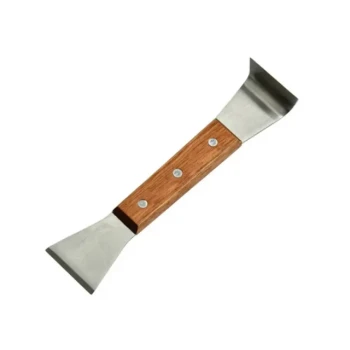
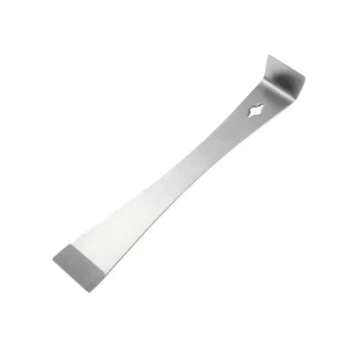
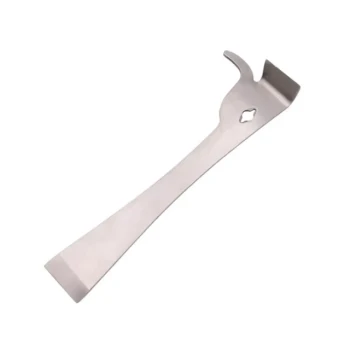
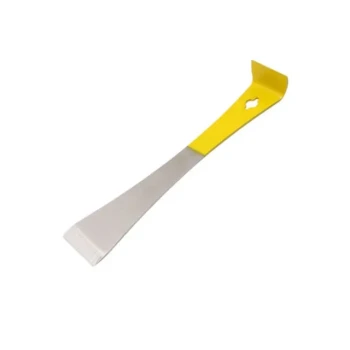
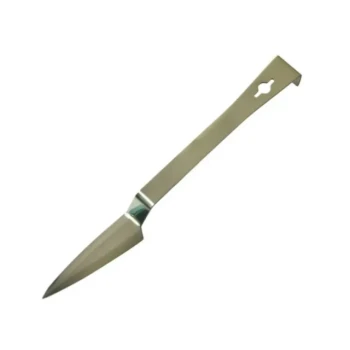
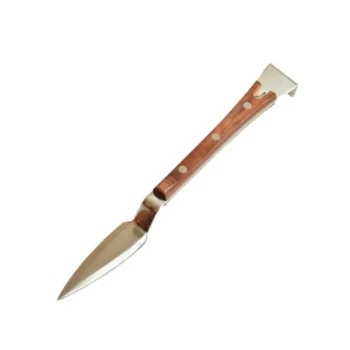
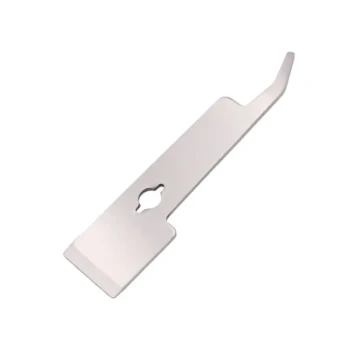
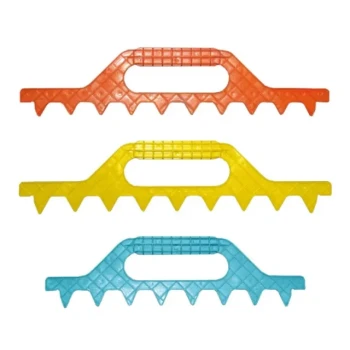
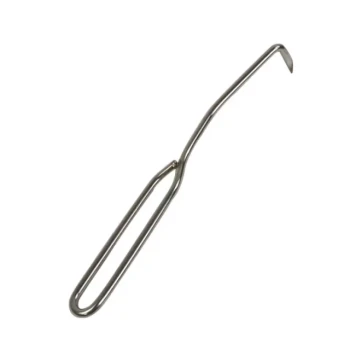
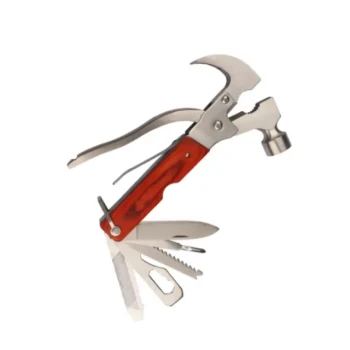
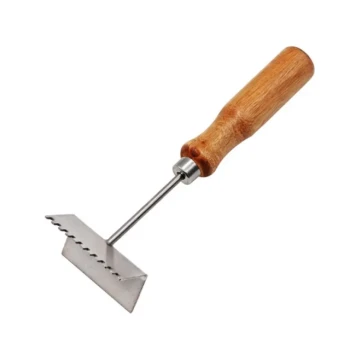
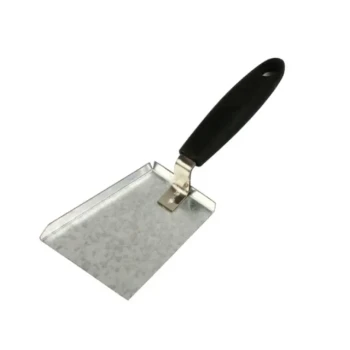
Standard hive tools perform four essential jobs: scraping, separating, loosening, and lifting. During routine inspections and maintenance, beekeepers use them to remove excess beeswax, propolis, burr comb, and debris; break seals between hive components; loosen tight frames; and lift or reposition frames for inspection. These functions provide the leverage and control needed to access the colony while reducing damage to frames and hive equipment.
A hive tool is the beekeeper’s basic lever and scraper. It keeps hive components accessible, supports careful frame handling, and helps maintain clean, serviceable equipment.
Why Hive Tools Are Essential
Propolis Makes Hive Components Difficult to Access
Bees use propolis, a strong, sticky resin, to seal gaps and secure internal parts of the hive. Over time, this can bond hive bodies, inner covers, frames, and other components together.
A hive tool provides the leverage needed to break these seals without relying on excessive force by hand.
Routine Inspections Require Controlled Access
Beekeepers must open the hive and remove frames to assess colony condition. The hive tool makes this process more controlled by providing a firm grip and a precise point of leverage.
Careful use helps reduce unnecessary disturbance and lowers the risk of damaging woodenware or comb.
The Four Core Functions of a Hive Tool
Scraping Propolis and Beeswax
The scraper edge removes accumulated propolis and beeswax from frame top bars, frame rests, hive walls, and frame edges. This prevents buildup from restricting access or changing the spacing between components.
Regular scraping also helps keep equipment functional during repeated inspections.
Removing Burr Comb and Debris
Hive tools can remove burr comb, excess comb built between frames or hive components, as well as debris from the bottom of the hive. This helps preserve usable space and keeps internal surfaces cleaner.
Removing unwanted buildup is especially important where it interferes with frame removal or proper hive assembly.
Separating Stuck Hive Components
The tool acts as a compact pry bar for separating hive boxes, inner covers, and other components sealed together with propolis. Its flat, rigid construction allows the beekeeper to apply leverage at a controlled point.
This is one of the most important functions during inspections because sealed components can otherwise be difficult to open safely.
Loosening Tight Frames
Frames may become fixed in place by propolis, wax, or comb growth along their edges. A hive tool can loosen the frame ends so they can be removed without pulling forcefully on the comb.
The beekeeper should work gradually around the frame rather than forcing it abruptly.
Lifting and Manipulating Frames
Many hive tools include an end designed to help lift frame edges. This allows the beekeeper to raise, shift, or reposition frames during inspection.
Once a frame is loosened, the tool supports careful handling so the comb and wooden frame are less likely to be damaged.
How Hive Tools Support Equipment Maintenance
Maintaining Correct Frame Spacing
Excess propolis and burr comb can narrow the gaps between frames. Scraping these deposits away helps preserve the intended spacing and makes future inspections easier.
Consistent spacing also supports orderly equipment use when frames are moved, replaced, or rotated.
Keeping Hive Parts Operational
Hive covers, frame rests, and hive bodies must remain accessible for routine work. Removing hardened buildup prevents components from becoming progressively more difficult to separate.
For distributors and resellers, this makes a durable hive tool a practical year-round item rather than a seasonal accessory.
Supporting Honey Harvesting and Repairs
Hive tools are also used when separating equipment during honey harvesting, cleaning, and maintenance. Their scraping and levering functions remain useful beyond the inspection itself.
A well-designed tool therefore serves multiple stages of apiary work and fits naturally into a broader beekeeping hardware portfolio.
Using a Hive Tool Without Excessive Disturbance
Apply Leverage Gradually
A hive tool should be used with deliberate, controlled pressure. Sudden force can damage frame edges, crack woodenware, or disturb the colony unnecessarily.
Gradual leverage is particularly important when hardened propolis has bonded several components together.
Avoid Loud Snapping and Vibration
Breaking hardened propolis with a sharp snap can create sudden noise and vibration inside the hive. These disturbances may agitate the bees during frame manipulation.
A slower approach allows the beekeeper to maintain better control of both the equipment and the inspection.
Combine the Tool With Appropriate Inspection Practices
A hive tool does not replace other inspection equipment. Beekeepers may also use a smoker to help calm the colony, protective apparel for sting resistance, and written or digital records to track colony conditions.
Together, these tools support more systematic and lower-impact hive management.
Understanding the Trade-offs
One Tool Covers Many Tasks
The main advantage of a standard hive tool is versatility. A single rigid instrument can function as a scraper, lever, pry bar, and frame-lifting aid.
This reduces the number of separate hand tools required during routine work and makes the hive tool a reliable inclusion in inspection kits.
Leverage Can Cause Damage if Misused
The same leverage that opens sealed components can damage frame rests, woodenware, or comb when applied carelessly. Excessive force may also disturb bees or cause sudden movement.
Tool quality matters, but technique remains essential: use the smallest practical amount of force and work at suitable contact points.
Design Variations Affect Use
Hive tools vary in shape, edge design, material, and handle construction. Some prioritize scraping, while others provide a more pronounced frame-lifting or prying end.
For B2B buyers, product selection should reflect the working conditions of the target market, expected durability, user comfort, and the inspection tasks the tool is expected to handle.
Making the Right Choice for Your Goal
The most suitable hive tool depends on how it will be used and who will use it.
- If your primary focus is routine hive inspections: Choose a durable multi-function tool with reliable leverage, a practical scraping edge, and an end suited to loosening and lifting frames.
- If your primary focus is equipment maintenance: Prioritize a sturdy scraper and pry-bar design capable of removing hardened propolis, burr comb, and debris.
- If your primary focus is wholesale or resale: Stock a full range of dependable hive tools that supports one-stop sourcing, consistent availability, and efficient order fulfillment.
- If your primary focus is low-impact colony management: Select a well-balanced tool that enables gradual, precise movement rather than abrupt prying or snapping.
A quality hive tool gives beekeepers the controlled access, cleanliness, and equipment serviceability required for efficient hive management.
Summary Table:
| Function | Purpose |
|---|---|
| Scraping | Remove propolis, beeswax, and debris from frames and hive surfaces. |
| Separating | Pry apart hive components sealed with propolis. |
| Loosening | Free tight frames from comb and propolis buildup. |
| Lifting | Manipulate and inspect frames with minimal damage. |
Equip your apiary with durable, professional-grade hive tools. At HONESTBEE, we offer a full spectrum of beekeeping equipment and supplies for commercial apiaries and distributors. Benefit from one-stop sourcing, rapid response, and ultra-fast delivery. Contact us today to discuss wholesale pricing and OEM/ODM support! Get in touch.
Related Products
- Professional Dual-End Stainless Steel Hive Tool for Beekeeping
- Professional Stainless Steel Pry-Bar Hive Tool
- Professional Multi-Function Stainless Steel Hive Tool
- HONESTBEE Classic Pry Bar Hive Tool with High Visibility Finish for Beekeeping
- HONESTBEE Professional Long Handled Hive Tool with Precision Cutting Blade
People Also Ask
- What specific challenges do beekeeping hive tools address during hive maintenance? Essential Solutions for Apiaries
- Why are professional hive tools considered indispensable? Master Beekeeping Maintenance with Precision Leverage
- What is the role of professional hive tools in routine apiary maintenance? Expert Tips for Hive Health and Longevity
- What role do professional beehives and beekeeping tools play in honey prosumption? Scale yield & commercial success.
- What are the primary functions of a stainless steel hive tool? Essential Equipment for Professional Beekeeping