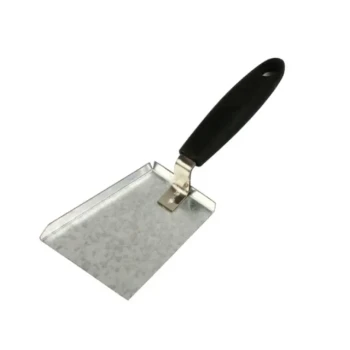
For routine hive inspections, the essential toolkit combines a smoker, hive tool, frame-handling equipment, and bee-safe cleaning accessories. The core setup includes a ventilated smoker with bellows and suitable fuel, a durable metal hive tool, a frame lifter or grip, a frame rest, and a soft bee brush. Protective clothing and inspection records are not hand tools, but they are important supporting equipment for safe and consistent colony management.
The best apiary toolkit is a coordinated system: smoke helps manage colony defensiveness, hive tools provide leverage and scraping capability, and frame-handling accessories enable controlled inspections without crushing bees or damaging comb.
The Core Tools Used During Hive Inspections
Bee Smokers for Controlled Colony Management
A bee smoker consists of a ventilated metal fire pot and manual bellows. It burns suitable natural fuels—such as burlap, pine needles, or wood shavings—to produce cool smoke.
The smoke helps mask or disrupt alarm pheromone communication, temporarily reducing defensive behavior while the beekeeper opens the hive and manipulates frames.
Hive Tools for Separation and Scraping
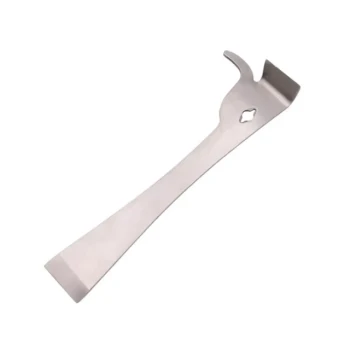
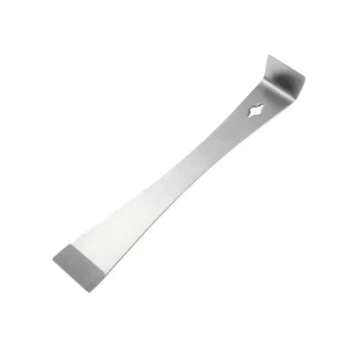
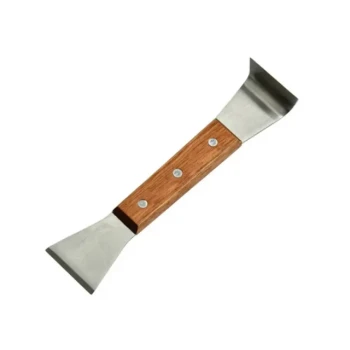
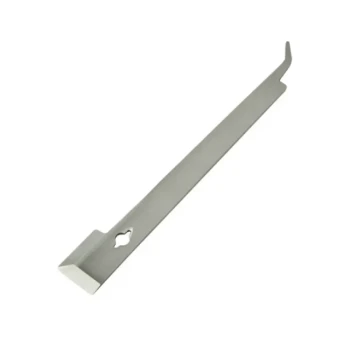
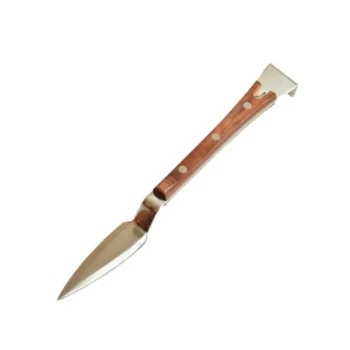
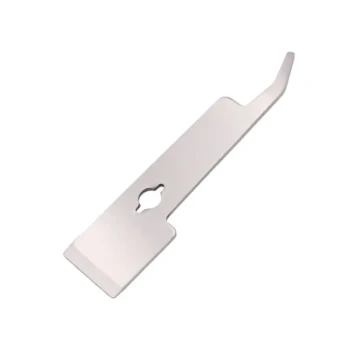
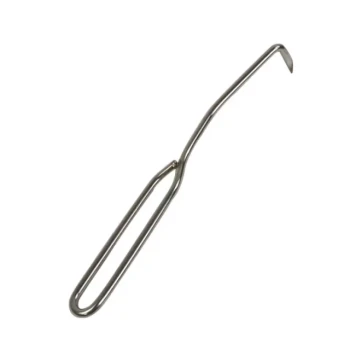
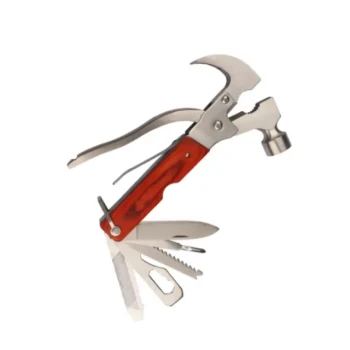
A metal hive tool is the primary hand tool for opening and servicing a colony. Its lever action breaks propolis seals between hive boxes, separates tightly fitted frames, and lifts stuck frame ends.
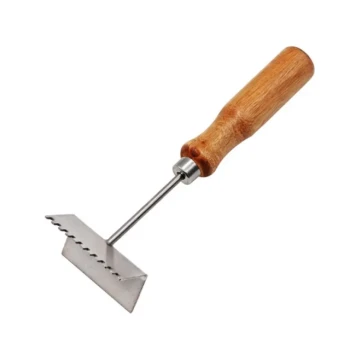
The scraper edge is used to remove excess wax, burr comb, propolis, and other buildup from frame rests and hive components.
Frame Lifters and Frame Grips
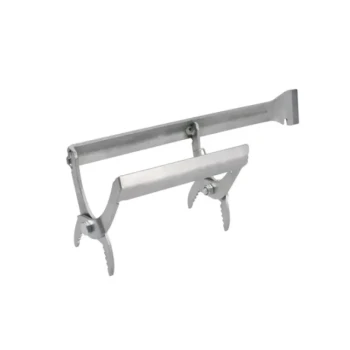
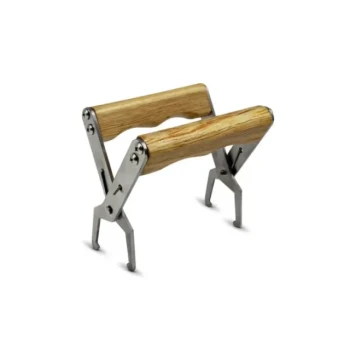
Frames can become tightly fitted because of propolis and accumulated wax. A frame lifter, frame grip, or frame grabber gives the operator better control when lifting a frame vertically from the hive body.
This reduces the risk of breaking top bars, rolling bees between frames, or damaging comb during inspection.
Frame Rests for Temporary Frame Placement
A frame rest is a metal bracket attached to the outside of a hive body. It provides a temporary holding location for a frame that has been removed for inspection.
This accessory frees internal workspace and helps prevent inspected frames from being placed on the ground or against contaminated surfaces.
Bee Brushes for Gentle Bee Removal
A soft-bristled bee brush is used to move live bees from comb surfaces, frame edges, and hive boxes when a frame must be handled or removed for harvesting.
The brush should be washable and used gently. Excessive brushing can injure bees and unnecessarily agitate the colony.
Smoker Equipment and Fuel Considerations
Selecting the Smoker Body
For routine work, the smoker should have a durable metal fire pot, adequate ventilation, and a reliable bellows mechanism. The operator needs to generate a steady supply of cool smoke, rather than hot smoke that could harm bees or scorch comb.
A practical product range may include different smoker sizes for hobbyists, commercial apiaries, and mobile inspection teams.
Choosing Suitable Fuel
Common smoker fuels include burlap, pine needles, and wood shavings. The fuel should burn steadily and produce cool, relatively clean smoke.
Distributors and resellers should offer compatible fuel options alongside smokers so customers can source a complete working solution rather than an incomplete device.
Using Smoke Responsibly
Smoke should be applied in controlled amounts. Several light puffs at the entrance and beneath the cover are generally more appropriate than filling the hive with dense smoke.
The purpose is to moderate defensive behavior during handling—not to overwhelm the colony or replace careful, calm inspection technique.
Supporting Equipment for Safe Colony Management
Protective Veils and Bee Suits
A veil protects the face and neck while maintaining visibility during detailed inspections. For broader protection, beekeepers may use a full bee suit or jacket with an integrated veil.
Commercial operations commonly pair protective clothing with sting-resistant gloves and sturdy boots, especially where multiple employees or apiaries are involved.
Inspection Records
Record-keeping tools support long-term colony management. Physical journals or digital hive-management applications can document queen performance, egg-laying density, brood condition, and food reserves.
These records are not physical hive tools, but they are essential accessories for turning individual inspections into measurable management decisions.
Cleaning and Replacement Supplies
Hive tools and frame accessories accumulate wax, propolis, and other residue during normal use. Offering washable bee brushes and durable replacement components helps customers maintain hygiene and reduce downtime.
For B2B buyers, standardized tool dimensions, consistent materials, and dependable replenishment are often as important as the initial product price.
How the Tools Work Together During an Inspection
Prepare the Smoker First
The smoker should be lit and producing cool smoke before the hive is opened. This allows the beekeeper to respond immediately if colony behavior becomes defensive.
Fuel quality and bellows performance directly affect whether smoke is steady and controllable.
Open the Hive Gradually
Several slow puffs may be directed at the entrance before the outer lid is removed. After opening the hive, a small amount of smoke can be directed through the inner-cover opening, followed by a brief pause before the cover is lifted.
This staged approach minimizes sudden disturbance and gives the colony time to respond.
Loosen Frames Near the Center
When a brood-box frame must be removed, the hive tool is generally used to loosen a frame near the center rather than forcing an edge frame first. This creates working room on both sides of the selected frame.
The frame can then be lifted using a frame grip, frame lifter, or gloved hands, depending on the beekeeper’s handling method.
Keep Removed Frames Secure
Once removed, the frame can be placed in a frame rest while the beekeeper examines brood, stores, queen activity, and comb condition. A frame rest keeps the work area organized and reduces the chance of accidental damage.
A bee brush can be used when bees need to be moved from a surface, but it should not substitute for careful frame handling.
Understanding the Trade-offs
More Equipment Improves Control but Adds Cost
A basic toolkit may consist of a smoker and hive tool, but frame grips, frame rests, and bee brushes improve handling efficiency and reduce avoidable damage.
For professional operations, the additional cost is usually justified by faster inspections, improved worker consistency, and lower risk of crushing bees or damaging equipment.
Protective Gear Can Reduce Dexterity
Gloves and full protective clothing improve sting protection, but thick materials can reduce fingertip sensitivity. This may make delicate frame manipulation more difficult for some experienced operators.
The appropriate level of protection depends on colony temperament, operator experience, and workplace safety requirements.
Smoke Must Not Be Overused
Too much smoke can unnecessarily disturb the colony and make inspection more difficult. The smoker should be treated as a precision handling tool, not as a way to force bees into submission.
Training, calm movement, and suitable inspection timing remain important even when high-quality smoker equipment is available.
Product Standardization Matters for Resellers
Inconsistent tool dimensions, weak metal, unreliable bellows, or poor brush quality can create customer dissatisfaction and repeat service issues.
Distributors should evaluate durability, material consistency, washable construction, packaging, and replacement availability when building a professional apiary product line.
Making the Right Choice for Your Goal
The strongest sourcing strategy is to combine core tools with the accessories that support safe, repeatable inspections.
- If your primary focus is basic hive inspection: Stock a durable smoker with bellows, suitable fuel, a heavy-duty metal hive tool, and a soft bee brush.
- If your primary focus is efficient commercial apiary work: Add frame lifters or grips, exterior frame rests, standardized protective wear, and reliable replacement supplies.
- If your primary focus is honey harvesting and frame handling: Prioritize frame grips, frame rests, bee brushes, hive scrapers, and controlled-smoke equipment.
- If your primary focus is professional colony management: Pair the physical toolkit with protective clothing and inspection journals or digital hive-management tools.
- If your primary focus is B2B distribution: Build a full-spectrum assortment with consistent quality, rapid order response, dependable fulfillment, and technical product support.
A coordinated, reliable toolkit helps beekeepers protect themselves, minimize colony stress, and manage inspections with greater speed and control.
Summary Table:
| Tool | Purpose | Key Features |
|---|---|---|
| Bee Smoker | Manage defensive behavior | Ventilated fire pot, bellows, produces cool smoke |
| Hive Tool | Pry apart hive boxes, scrape propolis | Durable metal, lever action, scraper edge |
| Frame Lifter/Grip | Lift and hold frames securely | Reduces damage, prevents crushing bees |
| Frame Rest | Temporary frame placement | Mounts on hive body, frees workspace |
| Bee Brush | Gently remove bees from surfaces | Soft bristles, washable |
Upgrade your apiary with HONESTBEE's premium wholesale beekeeping tools and smoker accessories. Our comprehensive range includes smokers, hive tools, frame lifters, and more, designed for durability and efficiency. As a leading supplier for commercial apiaries and distributors, we ensure rapid delivery, OEM/ODM support, and full certifications. Contact us today to secure reliable supply and boost your business's success — Get in touch now!
Related Products
- Professional Multi-Function Stainless Steel Hive Tool
- HONESTBEE Professional Long Handled Hive Tool with Precision Cutting Blade
- Professional Stainless Steel Pry-Bar Hive Tool
- Professional Dual-End Stainless Steel Hive Tool for Beekeeping
- Stainless Steel J Hook Hive Tool for Beekeeping
People Also Ask
- Why are professional hive tools considered indispensable? Master Beekeeping Maintenance with Precision Leverage
- What is the role of professional hive tools in routine apiary maintenance? Expert Tips for Hive Health and Longevity
- What are the benefits of a multi-functional hive tool? Streamline Your Apiary Workflow with One Tool
- What advantages do multi-functional hive tools offer? Maximize Your Apiary Efficiency and Workflow
- What are the common construction features of hive tools? Key Insights for Superior Beekeeping Efficiency