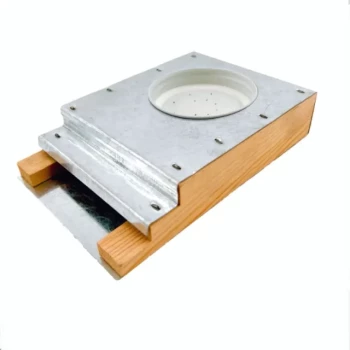
Bee feeders serve as precision control instruments that allow beekeepers to artificially regulate the nutritional intake of a colony. By dispensing sugar syrup (energy) and bee cakes (protein) in controlled dosages, these devices simulate natural resource abundance, directly influencing the colony's biological rhythms and survival rates.
Core Takeaway Bee feeders are not merely passive food containers; they are active management tools used to simulate a natural nectar flow. This stimulation triggers the queen to accelerate egg-laying and ensures the colony reaches peak population strength exactly when the main honey flow begins.
Driving Colony Growth and Expansion
Simulating Natural Nectar Flow
The primary biological function of a bee feeder is to mimic nature. When you introduce sugar syrup or bee cakes through a feeder, you deceive the colony into believing a natural resource bloom is occurring.
This simulation is critical because a honeybee colony regulates its reproduction based on available resources.
Stimulating Queen Activity
The perception of abundance created by the feeder has a direct physiological effect on the queen bee. It triggers her to drastically increase her egg-laying rate.
Simultaneously, the steady supply of nutrition increases larval survival rates. Worker bees are more capable of feeding the developing brood, preventing the colony from cannibalizing larvae due to resource stress.
Timing for Maximum Production
The strategic goal of this stimulation is timing. By using feeders during early spring, you force the colony to expand its population before the actual flowers bloom.
This ensures that when the main natural honey flow arrives, the hive has a maximum workforce ready to forage, rather than spending that critical time trying to build up numbers.
Ensuring Survival During Scarcity
Bridging Nutritional Gaps
Beyond growth, feeders act as a life-support system during "nutritional dearths"—periods when nature provides nothing.
These periods include extreme weather conditions, rainy seasons, droughts, or the deep winter months. Feeders provide the essential energy (syrup) and protein (cakes) required to keep the metabolic functions of the hive running.
Preventing Colony Collapse
When natural forage is unavailable, a colony may attempt to migrate to a new location or simply starve.
Providing sugar water via feeders stabilizes the hive environment. It maintains egg-laying rates at a sustainable baseline and prevents the colony from absconding or dying off due to environmental stress.
Understanding the Trade-offs
Internal vs. External Feeding
Beekeepers must choose between feeding inside the hive or outside (in the yard).
External feeding (leaving a bucket in the yard) is easy, but it is imprecise and can attract pests or robber bees from other colonies.
Internal feeders allow for precise delivery (e.g., specific syrup ratios like 1:1.5). This is often superior for stimulating specific behaviors and is critical in winter when bees cannot physically travel outside the hive to access food.
The Risk of Dependency
While feeders are essential for distinct periods, they are supplements, not replacements.
Over-reliance on feeders when natural forage is abundant can lead to the contamination of harvestable honey stores with sugar syrup, effectively adulterating the final product.
Making the Right Choice for Your Goal
To use bee feeders effectively, you must align the feeding strategy with your immediate objective:
- If your primary focus is Spring Expansion: Use internal feeders to simulate a nectar flow early in the season to maximize the queen's egg-laying and build a massive workforce.
- If your primary focus is Colony Survival: Deploy feeders immediately during droughts or post-harvest fall months to ensure the hive has enough stores to survive the winter without starving.
Success in beekeeping lies in using feeders not just to feed bees, but to strategically manage their biological clock.
Summary Table:
| Function | Primary Benefit | Nutritional Supplement | Timing / Usage |
|---|---|---|---|
| Colony Growth | Stimulates queen activity and larval survival | Sugar syrup & Protein cakes | Early Spring / Pre-bloom |
| Survival Support | Bridges gaps during droughts or rainy seasons | Sugar syrup (1:1.5 ratio) | Dearth periods / Winter |
| Strategic Timing | Maximizes workforce for main honey flow | High-energy supplements | 4-6 weeks before nectar flow |
| Internal Feeding | Prevents robbing and allows winter access | Precise dosage syrup | Cold weather / Target feeding |
Maximize Your Colony Potential with HONESTBEE
At HONESTBEE, we specialize in supporting commercial apiaries and professional distributors with high-performance beekeeping solutions. Our comprehensive wholesale catalog includes advanced bee feeders, hive-making machinery, and precision honey-filling equipment designed for industrial efficiency.
Whether you are looking to scale your production or supply the highest quality consumables to your local market, our expertise in specialized hardware and bee-themed cultural merchandise ensures your business stays ahead. Contact us today to discuss our bulk pricing and discover how our end-to-end equipment solutions can streamline your operations.
References
- İsa YILMAZ, Hamza ÇELİK. Iğdır İli Bal Arısı (Apis mellifera L.) Yetiştiricilerinin Koloni Yönetimi. DOI: 10.24180/ijaws.571776
This article is also based on technical information from HonestBee Knowledge Base .
Related Products
- Rapid Bee Feeder White Plastic 2L Round Top Feeder for 8 or 10-Frame Bee Hives
- HONESTBEE Entrance Bee Feeder Professional Hive Nutrition Solution for Beekeeping
- White Plastic 0.5L Beekeeping Entrance Feeder for Bees
- HONESTBEE Entrance Bee Feeder Efficient Hive Front Liquid Feeding Solution for Beekeeping
- HONESTBEE Professional Entrance Bee Feeder Hive Nutrition Solution
People Also Ask
- What should be done with feeders and equipment after feeding bees? Essential Steps for Apiary Health
- What should be done if feed in a feeder is not consumed by the bees? Prevent Hive Mold with Prompt Feed Management
- What is the necessity of specialized internal or entrance feeders? Secure Your Hive with Professional Feeding Tools
- How do bee feeders work to preserve colony health during nectar shortages? Essential Guide for Beekeepers
- How quickly does a medium to strong colony usually empty a feeder? A Beekeeper's Guide to Hive Health