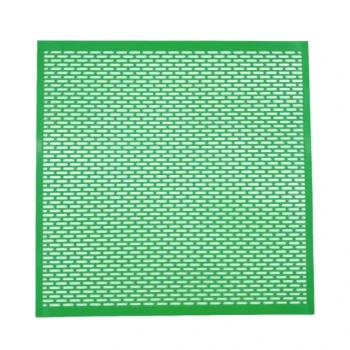
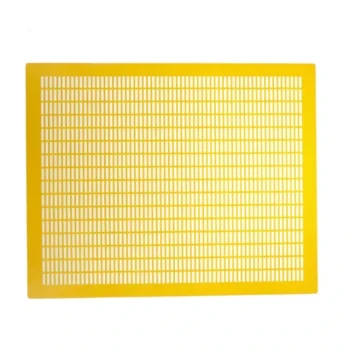
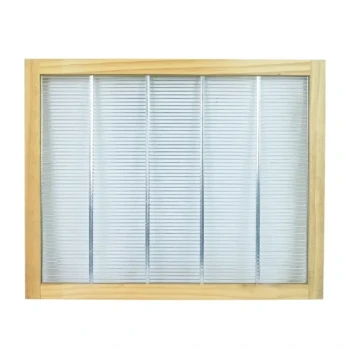
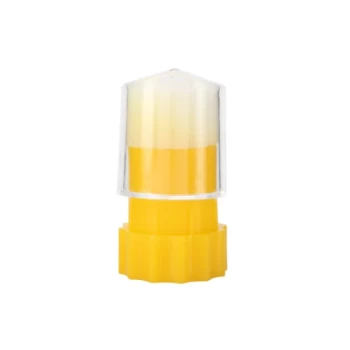
The Queen Excluder serves as a critical protective barrier within the Doolittle breeding method. Its primary function is to physically segregate the reigning queen from the "Doolittle Frames" that house the developing queen cells. This isolation prevents the established queen from instinctively destroying the new cells, while simultaneously allowing worker bees to pass through the grid to nurse the larvae.
The Queen Excluder facilitates a "queen-right" rearing system by balancing isolation with accessibility. It prevents the reigning queen from eliminating her competition but permits the free flow of worker bees required to create a nutrient-rich nursing environment.
Creating a Protected Nursing Zone
In the context of the Doolittle method, the hive is effectively divided into two distinct functional areas. The Queen Excluder is the mechanism that defines these boundaries.
Preventing Instinctive Destruction
The most immediate danger to a developing queen cell is the colony's current queen. Queens are naturally territorial and view other queen cells as rivals.
If allowed access to the Doolittle Frames, the reigning queen would typically tear down and destroy the grafted cells. The excluder uses precise grid spacing to make it physically impossible for the larger queen to enter the section of the hive where these cells are being raised.
Permitting Nurse Bee Access
While the queen must be excluded, the developing larvae cannot survive in total isolation. They require intense care and feeding from nurse bees (worker bees).
The grid openings of the excluder are sized specifically to allow the smaller worker bees to pass through freely. This ensures the grafts receive the royal jelly and constant attention required for successful development.
Establishing a Stable Micro-Environment
By filtering the population allowed in the rearing chamber, the excluder helps create a specialized "nursery" atmosphere.
The exclusion of the queen creates a localized area of queenlessness, which stimulates the worker bees' impulse to raise new queens. However, because the queen is still in the hive (just separated), the colony morale remains high, avoiding the stress of a truly queenless hive.
Understanding the Trade-offs
While essential for the Doolittle method, introducing a physical barrier into the hive does introduce specific challenges that must be managed.
Hive Congestion
The excluder creates a bottleneck within the hive structure. As worker bees move between the brood nest and the rearing frames, traffic can slow down at the grid interface.
Physical Stress on Workers
Frequent passage through the metal or plastic grid can have physical consequences for the worker bees. Over time, squeezing through the gaps may contribute to wing damage or general wear on the foraging and nursing population.
Optimizing Your Queen Rearing Setup
To ensure high acceptance rates of your grafted cells, you must verify that your equipment supports the biological needs of the colony.
- If your primary focus is Graft Survival: Ensure the excluder is inspected for bent wires or gaps; even a single enlarged opening allows the queen to enter and destroy your work.
- If your primary focus is Colony Efficiency: Consider adding an upper entrance above the excluder to reduce congestion and prevent wing damage by allowing direct access to the rearing supers.
The success of the Doolittle method relies on the excluder acting not just as a wall, but as a selective filter that maintains peace between the generations.
Summary Table:
| Feature | Role in Doolittle Method | Benefit to Queen Breeding |
|---|---|---|
| Physical Barrier | Segregates the reigning queen from the Doolittle Frames | Prevents instinctive destruction of new queen cells |
| Selective Gaps | Allows smaller worker bees to pass through the grid | Ensures larvae receive royal jelly and constant care |
| Micro-Environment | Creates a localized zone of "queenlessness" | Stimulates the impulse to raise queens without colony stress |
| Population Control | Filters hive movement into a specialized nursery | Maintains high colony morale while securing the nursery zone |
Maximize Your Apiary's Potential with HONESTBEE
Successful queen rearing requires precision and reliable equipment. HONESTBEE provides commercial apiaries and distributors with professional-grade beekeeping tools, from high-quality Queen Excluders to advanced honey-filling machines. Whether you are looking for specialized hardware or essential industry consumables, our comprehensive wholesale offering ensures your operations run smoothly and efficiently.
Ready to scale your production? Contact us today to discover how our premium beekeeping machinery and wholesale tools can empower your business success!
References
- Joice J.I. Rompas, R. T.D. Maramis. PENGGUNAAN METODE QUEEN REARING TERHADAP PEMBENTUKAN SEL RATU APIS MELLIFERA UNTUK PENGEMBANGAN PERLEBAHAN. DOI: 10.35792/zot.35.2.2015.8347
This article is also based on technical information from HonestBee Knowledge Base .
Related Products
- High Performance Plastic Queen Excluder for Beekeeping and Apiary Management
- Professional Plastic Queen Excluder for Modern Beekeeping
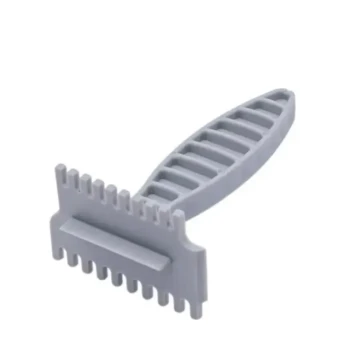
- Lightweight Durable Plastic Queen Excluder Scraper for Beekeeping
- Metal Queen Bee Excluder for Beekeeping
- Premium Wood Framed Metal Wire Queen Bee Excluder
People Also Ask
- What are the characteristics of a plastic queen excluder? Key Benefits for Cost-Effective Beekeeping
- What are the operational and cost advantages of using plastic queen excluders over metal or wire excluders in commercial hive management? Discover how they reduce labor, prevent wing damage, and lower total costs.
- What types of queen excluders are available for beekeepers? Choose the Right Tool for Your Hive
- Why are standardized hive frames and queen excluders essential for maintaining honey purity and quality? Scale Your Purity
- Do plastic queen excluders work? A Cost-Effective Solution for Modern Apiaries