For safe, efficient commercial hive inspections, equip every technician with full sting-protective clothing, a working smoker, a durable hive tool, and safe frame-handling accessories. The essential PPE is a bee suit or ventilated jacket, secure veil, protective gloves, and sturdy boots. The core apiary tools are a smoker with suitable fuel, heavy-duty hive tool, frame grip or bee brush, and a notebook for inspection records.
Commercial inspection kits should combine reliable sting protection with a small, standardized set of robust hand tools. Preparing the complete kit before opening a hive reduces downtime, limits unnecessary colony disturbance, and helps technicians work consistently across multiple apiary sites.
The Essential Protective Gear
Full-coverage bee suit or jacket
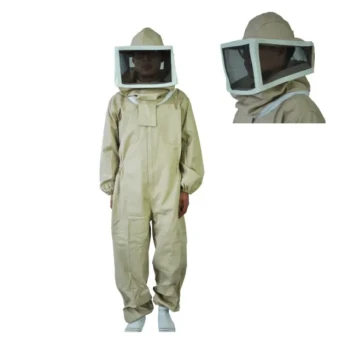
A full-body bee suit provides the strongest general protection by covering the torso, arms, and legs. A ventilated suit or jacket is particularly valuable during long inspections, warm-weather work, or when handling colonies with defensive behavior.
For routine checks, some operators may use a protective jacket rather than a full suit. The appropriate choice depends on colony temperament, task risk, climate, and the company’s safety standard.
Secure veil and head protection
A fine-mesh veil protects the face, neck, and head while preserving visibility for detailed frame inspections. It should remain securely attached to the jacket or suit so bees cannot enter at the collar.
A brimmed hat can help keep the veil away from the face and improve comfort, but it does not replace a properly fitted veil.
Protective gloves
Sting-resistant gloves protect the hands while technicians lift frames, manipulate covers, and use hive tools. Gloves should provide a practical balance between protection, grip, and dexterity.
Oversized or poorly fitting gloves can make delicate work more difficult. Commercial operators should select consistent sizes and replace gloves when seams, cuffs, or protective materials deteriorate.
Sturdy boots and sealed closures
Sturdy, closed footwear protects the feet and ankles from stings and provides stable footing around hive stands and uneven apiary terrain. Boots should work with the suit’s ankle closures rather than leave gaps.
Secure wrist, ankle, and neck closures are essential. Protective clothing is only effective when bees cannot easily crawl inside it.
The Core Apiary Management Tools
Bee smoker
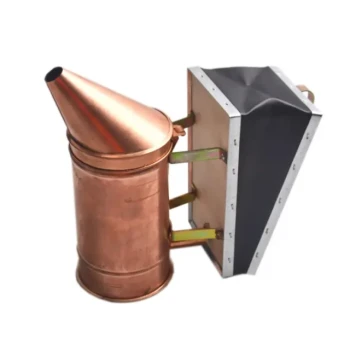
A bee smoker delivers controlled, cool smoke before and during hive opening. Smoke helps calm the colony by disrupting the transmission of alarm pheromones, making routine handling more manageable.
A commercial smoker should include a durable metal firepot, functional bellows, and a design that directs smoke accurately. Technicians also need appropriate smoker fuel and should prepare it before approaching the hive.
The objective is controlled smoke, not excessive smoke. Poorly managed smoke can disturb the colony, reduce visibility, or create an unnecessary fire and heat hazard.
Heavy-duty hive tool
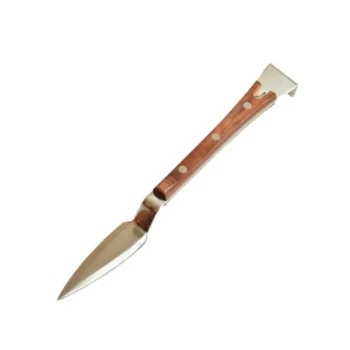
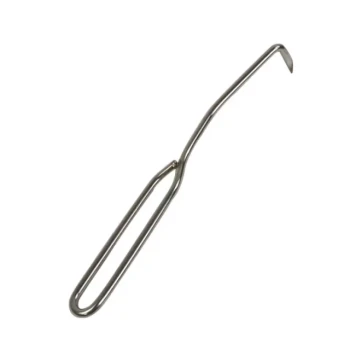
A metal hive tool is the primary leverage and scraping tool for commercial inspections. It separates propolis-sealed hive bodies, loosens inner covers, pries apart frames, and removes unwanted wax or propolis.
Because hive tools are repeatedly exposed to leverage and debris, commercial users should prioritize durable construction, comfortable handling, and easy cleaning. Standardizing one or two tool designs also simplifies training and replacement purchasing.
Frame grip or frame lifter
A frame grip assists with lifting and maneuvering frames that are tightly fitted or heavily adhered with propolis. It can reduce the need to handle frames directly and improve control during removal.
Frame grips are especially useful where technicians repeatedly inspect large numbers of colonies. They should complement—not replace—the hive tool, which is still needed to loosen frames and hive components.
Bee brush
A bee brush can gently move bees from frame surfaces or equipment when necessary. It is a supplementary handling tool rather than a substitute for proper smoker use and careful frame movement.
Brushes should be used sparingly and gently to avoid unnecessary agitation or physical harm to bees.
Inspection notebook or recording system
A notebook and pen, or an equivalent digital recording system, allows technicians to document queen status, brood condition, frame organization, and maintenance requirements. Records turn individual inspections into an actionable commercial management process.
For multi-site operations, standardized inspection forms can improve consistency between technicians and make follow-up work easier to schedule.
How to Prepare for Efficient Inspections
Assemble the complete kit first
Technicians should confirm their PPE, smoker, fuel, hive tool, frame-handling accessory, and recording materials before opening a hive. Searching for equipment while a colony is exposed increases disruption and wastes labor time.
A pre-inspection checklist is a simple way to prevent missing items across multiple apiary locations.
Match protection to the assignment
Use full protective suits for higher-risk work, aggressive colonies, transfers, or conditions where maximum coverage is required. Lighter protective jackets may provide greater mobility for lower-risk routine inspections when company safety procedures permit them.
The decision should be based on risk assessment rather than convenience alone.
Inspect and maintain equipment
Protective clothing should be checked for tears, damaged mesh, loose fasteners, and ineffective closures. Smokers, bellows, hive tools, and frame grips should also be examined for damage or reduced performance.
For commercial fleets, scheduled inspection and replacement policies help prevent equipment failure in the field.
Standardize kits across teams
A consistent kit makes training, replenishment, and field deployment more predictable. It also allows distributors and wholesalers to supply complete inspection packages rather than disconnected individual products.
Standardized kits can include different sizes of PPE while keeping the smoker, hive tool, frame grip, brush, and recordkeeping format consistent.
Understanding the Trade-offs
Maximum protection versus mobility
Full suits offer broader sting protection but may be warmer and less flexible than jackets. Jackets can improve comfort and movement, but they leave more of the lower body dependent on separate protective clothing.
Commercial buyers should offer both configurations where teams perform varied tasks, while defining when full coverage is mandatory.
Gloves versus dexterity
Heavier gloves improve protection but may reduce tactile control when handling frames or inspecting brood. Thinner designs may improve dexterity but provide less resistance to stings.
The right choice depends on technician experience, colony behavior, and the task being performed.
Robustness versus carrying weight
Heavy-duty tools generally tolerate repeated leverage and scraping better than lightweight alternatives. However, carrying excessive equipment between distant hive sites can increase fatigue.
The most efficient commercial kit is not the largest one; it is the smallest complete set that supports the required work safely.
Low-cost purchasing versus operational reliability
Lower-priced PPE and tools may reduce initial procurement cost, but failures such as torn veils, broken bellows, or bent hive tools can cause delays and safety concerns. Product durability, replacement availability, sizing consistency, and supplier responsiveness should be evaluated alongside unit price.
For distributors and B2B resellers, dependable stock availability and rapid order fulfillment are part of the product’s practical value.
Building a Commercial Inspection Supply Program
Source complete product categories
A capable supplier should support the full inspection workflow: suits, jackets, veils, gloves, boots, smokers, smoker fuel, hive tools, frame grips, brushes, and inspection records. One-stop sourcing reduces fragmented purchasing and simplifies replenishment.
This is particularly useful for wholesalers serving apiaries with multiple technicians or seasonal workforce expansion.
Prioritize quality consistency
Protective equipment should have reliable sizing, secure closures, and durable construction. Hand tools should be robust, ergonomic, and suitable for repeated field use.
Consistent product specifications help resellers reduce returns, support customer confidence, and simplify repeat orders.
Plan for rapid replenishment
Commercial apiaries need replacement PPE and tools without extended interruptions. Suppliers should maintain practical stock levels, respond quickly to product inquiries, and provide efficient fulfillment for both standard and larger-volume orders.
Dedicated customer service is valuable when buyers need mixed sizes, bundled kits, or urgent replacements.
How to Apply This to Your Operation
Select equipment according to the work risk, workforce size, and inspection volume, then standardize the kit so every technician can begin work prepared.
- If your primary focus is operator safety: Use full-coverage suits or ventilated jackets with secure veils, sting-resistant gloves, sturdy boots, and sealed wrist and ankle closures.
- If your primary focus is inspection efficiency: Pair a prepared smoker with suitable fuel, a heavy-duty hive tool, and a frame grip or bee brush.
- If your primary focus is commercial fleet consistency: Build standardized kits with common tool designs, size-based PPE options, checklists, and scheduled replacement procedures.
- If your primary focus is sourcing and fulfillment: Work with a supplier able to provide the full product range, fast responses, dependable quality, and rapid delivery in commercial quantities.
The right inspection system protects technicians, minimizes colony disruption, and keeps commercial apiary work moving efficiently.
Summary Table:
| Category | Essential Items | Key Considerations |
|---|---|---|
| Protective Gear | Full bee suit or ventilated jacket, veil, gloves, sturdy boots | Full coverage vs. mobility; secure closures; glove dexterity |
| Apiary Tools | Smoker, hive tool, frame grip, bee brush, notebook | Durable construction; ease of use; standardized kits |
| Preparation | Pre-inspection checklist; equipment maintenance; risk-based protection | Match protection to assignment; inspect and maintain equipment |
| Sourcing | One-stop supply; quality consistency; rapid replenishment | Supplier reliability; stock availability; responsive service |
Equip Your Apiary with the Best — HONESTBEE offers comprehensive wholesale solutions for commercial apiaries and distributors. From protective suits and smokers to hive tools and complete inspection kits, we supply the full spectrum of beekeeping equipment and consumables. Our one-stop sourcing, rapid response, dedicated support, and ultra-fast delivery ensure your operations run smoothly. For distributors, we provide attractive margins, OEM/ODM support, certifications, and reliable supply. Contact us today to discuss your requirements and experience the HONESTBEE advantage.
Related Products
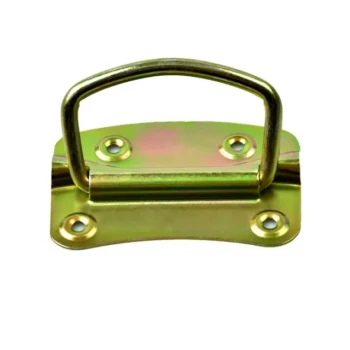
- Professional Grade Foldable Beehive Handles
- Professional 600D Oxford Cloth Beekeeping Tool Bag with 8 Pockets and Elastic Loops
- HONESTBEE Professional Long Handled Hive Tool with Precision Cutting Blade
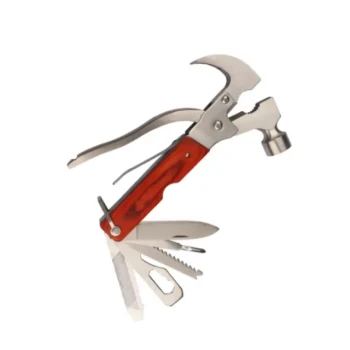
- HONESTBEE 15-in-1 Beekeeper Multi-Tool with Hammer and Pliers for Beekeeping
- Yellow Plastic Bucket Pail Perch for Beekeeping
People Also Ask
- How do bee hive handles facilitate the evaluation of food stores? Use the Lift Test for Winter Survival
- How do the geometry and dimensions of hive handles influence operational safety and control? Expert Design Insights
- What is a bee hive tool? Discover Why It’s the Most Essential Hand Tool for Every Beekeeper
- What are the common sizes and features of bee hive tools? Choose the Right Tools for Your Apiary
- What is the role of professional hive tools in routine apiary maintenance? Expert Tips for Hive Health and Longevity