Post-extraction honeycomb is a valuable byproduct, not waste. Once the honey has been removed via spinning or the crush-and-strain method, the remaining beeswax material is typically melted down and processed. This "rendering" process converts the raw, sticky leftovers into clean, high-quality wax suitable for a variety of new applications.
Core Takeaway: The honeycomb material remaining after extraction is the raw ingredient for refined beeswax. It should be melted and filtered to create consumer goods like candles or recycled back into the hive as new foundation sheets.
Transforming the Raw Material
The Rendering Process
Regardless of whether you use a centrifugal spinner or the crush-and-strain method, you are left with beeswax. This material often contains impurities, sticky honey residue, and debris.
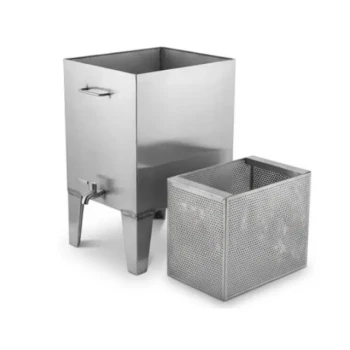
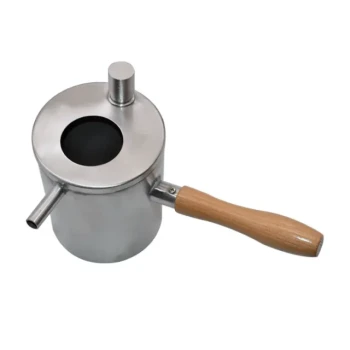
To reclaim the material, the comb is melted down. This separates the pure wax from the heavier impurities, which sink or can be filtered out.
Creating Commercial Goods
Once the wax is rendered and cleaned, it becomes a versatile commodity.
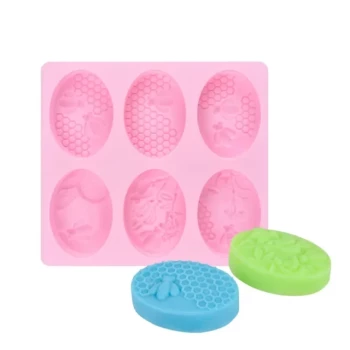
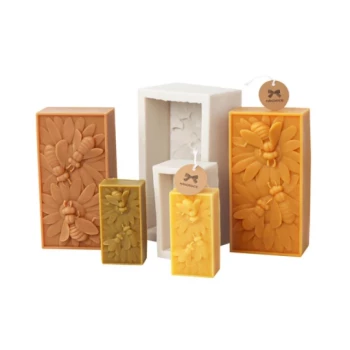
Common uses for this reclaimed wax include crafting candles, lip balms, and soaps. These value-added products allow beekeepers to utilize every part of the hive's production.
Closing the Loop
The wax can also be returned to the beekeeping cycle.
Processed wax is frequently used to manufacture new foundation sheets. These sheets are placed back into beehive frames, giving the colony a head start on building new comb in the next season.
Critical Risks to Unprocessed Comb
The Wax Moth Threat
If the honeycomb material is not processed immediately, it remains vulnerable.
The "wet" frames or leftover wax are highly attractive to wax moths (both greater and lesser varieties). These pests can infest and ruin the comb in a very short period.
Storage Urgency
Because of the moth threat, the material cannot simply be left exposed.
It must be melted down quickly or stored under specific conditions to prevent destruction by pests.
Understanding the Trade-offs
Method Determines Material State
The extraction method dictates the physical state of the leftover wax.
Crushing the comb destroys its structure entirely, making melting the only logical next step. This method is economical but forces the bees to rebuild from scratch next time.
Spinning (centrifugal extraction) leaves the comb structure largely intact. In this case, only the "cappings" (the wax lids sliced off the cells) are melted down, while the empty comb might be preserved for reuse.
Processing Effort vs. Yield
Rendering wax is labor-intensive.
You must heat, strain, and often repeat the process to get "exhibition grade" wax. However, failing to clean the wax properly results in a product that burns poorly in candles or contains spoiling organic matter.
Making the Right Choice for Your Goal
How you handle the leftover material depends on your objectives for the next season and your interest in byproducts.
- If your primary focus is crafting: Prioritize the crush-and-strain method or collect all cappings, then melt and filter them rigorously to produce high-purity wax for balms and candles.
- If your primary focus is hive sustainability: Render the wax to create new foundation sheets, reducing the cost of buying supplies for the next season.
- If your primary focus is preserving drawn comb: Only melt the wax cappings and immediately protect the spun "wet" frames from wax moths to reuse the structure next year.
The honeycomb's lifecycle does not end at extraction; it simply transitions from a storage vessel to a versatile raw material.
Summary Table:
| Aspect | Post-Extraction Outcome | Primary Benefit |
|---|---|---|
| Wax Cappings | Melted and filtered (rendered) | High-purity wax for commercial goods |
| Crushed Comb | Fully processed into raw wax | Resource recovery for new foundation |
| Spun Comb | Cleaned and stored securely | Reusable "drawn comb" saves bees energy |
| Waste/Debris | Filtered out during rendering | Ensures clean, professional-grade wax |
| Risk Factor | Wax Moth infestation | Must be processed or stored immediately |
Maximize Your Apiary's Potential with HONESTBEE
At HONESTBEE, we understand that every drop of honey and every gram of wax represents the hard work of your colony and your business. We cater specifically to commercial apiaries and distributors, offering a comprehensive wholesale range designed to streamline your post-extraction workflow.
From high-efficiency honey-filling machines to specialized hive-making machinery, we provide the industrial-strength tools you need to convert raw honeycomb into profitable assets like new foundation sheets or honey-themed merchandise. Our portfolio covers the full spectrum of beekeeping hardware and essential industry consumables to help you scale your operations and improve yields.
Ready to upgrade your extraction and processing capabilities? Contact us today to discuss our wholesale solutions and see how HONESTBEE can support your growth in the beekeeping industry.
Related Products
- Beeswax Foundation Sheets Beehive Foundation for Wholesale
- Colorful Silicone Beeswax Foundation Mold Mould for Beekeeping
- Economy Manual Beeswax Embossing Mill Wax Foundation Machine Roller
- Beeswax Melter for Candle Making Honey Bee Wax Melter
- Electric Beeswax Flat Sheet Machine with Operating Tray for Wax Processing
People Also Ask
- What are the technical advantages of beeswax foundations and feeding tools? Optimize Your Bee Breeding Phase
- Why is the regular exchange and replacement of beeswax foundations encouraged? Boost Honey Yield & Hive Biosafety
- What are the negative consequences of using old or contaminated beeswax in foundations? Protect Your Hive Today
- Why is high-purity natural beeswax essential for foundations? Prevent Larval Mortality & Boost Colony Health
- What are the specific advantages of regular comb replacement? Boost Hive Health with New Beeswax Foundations