Beeswax cappings are a highly valuable byproduct of the honey harvest. Upon removal from the frames, they are immediately processed to recover residual honey through filtration or gravity draining. The remaining wax is then melted down, purified, and recycled into new beekeeping equipment or consumer goods like candles and cosmetics.
Core Takeaway Cappings represent the purest wax in the hive and should never be discarded. The standard processing workflow involves mechanically separating the honey residue, melting the wax to remove impurities, and repurposing the clean material for apiary sustainability or commercial manufacturing.
The Separation Phase: Recovering the Honey
Gravity Filtration
The immediate priority after uncapping is separating the wax from the significant amount of honey clinging to it.
The cappings are typically placed in a filter or sieve system. This allows gravity to pull the honey down into a collection vessel, leaving the "dry" wax cappings behind for further processing.
Uncapping Tanks
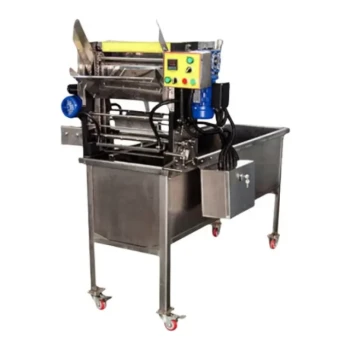
For larger operations, specialized uncapping tanks are utilized.
These tanks provide a dedicated structure for holding cappings while the separation process occurs. They often feature built-in screens or baffles to streamline the separation of beeswax from honey residue.
The Processing Phase: Purifying the Wax
Thermal Melting
Once the bulk of the honey is removed, the wax must be rendered to remove leftover impurities and debris.
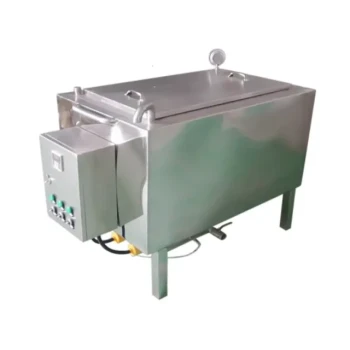
The cappings are melted down, often using water-jacketed tanks or electric melters. This process liquefies the wax, allowing heavy sediment to sink and clean wax to float to the top for collection.
Solar Wax Melters
A highly efficient, energy-passive method for processing cappings is the solar wax melter.
This device uses the sun's heat to melt the cappings within an enclosed box. It effectively separates the wax from any remaining honey or slumgum (waste matter) without requiring external power.
The Utilization Phase: End-Product Applications
Apiary Reintegration
A primary technical use for recycled cappings is the creation of wax foundation.
Beekeepers roll the cleaned wax into embossed sheets. These sheets are installed back into hive frames to guide the bees in building straight, uniform honeycombs, creating a sustainable production loop.
Consumer Product Manufacturing
Because cappings consist of freshly secreted wax, they are prized for their light color and purity.
This high-grade wax is ideal for manufacturing candles, which burn cleanly and carry a natural scent. It is also a key ingredient in value-added products such as lip balms, lotions, and furniture polish.
Understanding the Trade-offs
Time vs. Yield in Separation
Relying solely on gravity filtration preserves the quality of the honey but is a slow process.
Leaving cappings to drip for days maximizes honey recovery but delays wax processing. Conversely, using heat to speed up separation can degrade the quality of the recovered honey if temperatures rise too high.
Processing Purity
While solar melters are energy-efficient, they function best in specific weather conditions.
A solar melter creates very clean wax but may not reach temperatures high enough to sterilize the wax completely if disease spores are a concern. Thermal melting offers more control but requires careful temperature monitoring to prevent scorching the wax, which ruins its color and aroma.
Making the Right Choice for Your Goal
Whether you are a hobbyist or a commercial producer, your end goal dictates your processing method.
- If your primary focus is Apiary Sustainability: Melt and filter your cappings specifically to create new foundation, reducing your operational costs.
- If your primary focus is Value-Added Products: Utilize the high purity of capping wax to create premium consumables like lotions or candles, which command a higher market price.
- If your primary focus is Honey Yield: Prioritize a long, cold gravity drain period before melting the wax to ensure every drop of saleable honey is recovered without heat damage.
Treat your beeswax cappings not as refuse, but as a second harvest that drives the economic efficiency of the hive.
Summary Table:
| Processing Phase | Method | Primary Benefit | Output |
|---|---|---|---|
| Separation | Gravity/Uncapping Tanks | Preserves honey quality | Liquid honey & dry wax |
| Purification | Solar Wax Melter | Energy-efficient & eco-friendly | Clean, high-purity wax |
| Refining | Thermal Melting | High-volume debris removal | Sterilized wax blocks |
| Utilization | Foundation Rolling | Apiary sustainability | Embossed wax sheets |
| Manufacturing | Value-Added Production | Higher market revenue | Candles, balms, & polish |
Unlock the Full Potential of Your Hive Harvest with HONESTBEE
Maximize your apiary’s efficiency and turn every harvest into a profit center. HONESTBEE specializes in supporting commercial apiaries and distributors with professional-grade beekeeping solutions. Whether you need high-capacity uncapping machines, honey-filling equipment, or premium wax-making hardware, our comprehensive wholesale catalog has you covered.
From industrial machinery to essential beekeeping consumables and honey-themed cultural merchandise, we provide the tools you need to scale your operations. Let us help you streamline your beeswax processing and expand your product line.
Ready to upgrade your apiary? Contact us today to explore our wholesale offerings!
Related Products
- Manual Beeswax Flat Sheet Machine for Beeswax Processing
- Electric Beeswax Flat Sheet Machine with Operating Tray for Wax Processing
- Electric Commercial Beeswax Melter for Factory Use
- Beeswax Machine Press Embosser Wax Foundation Mold Printer Bee Hive Equipment Making Sheet
- Electric Flatting and Embossing Machine with Tray for Beekeeping
People Also Ask
- What is the primary function of the double-roller extrusion system? Master Precision Beeswax Foundation Production
- How do cultural merchandise processing machines contribute to the economic value chain? Boosting Apiary Profitability
- What are some practical tips for managing equipment and workspace when processing beeswax? Essential Studio Setup Tips
- How do specialized beeswax processing machines maximize the value of beekeeping by-products? Boost Your Apiary's ROI
- What role does beeswax processing equipment play in development of by-products? Turn Apiary Waste into High-Value Profit