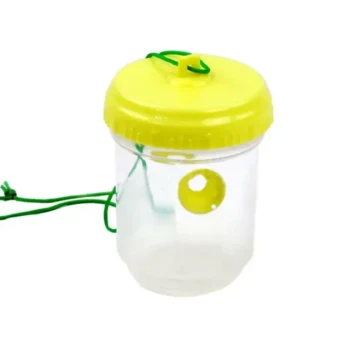
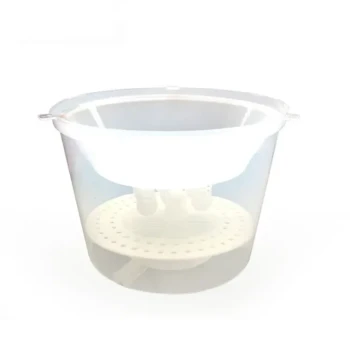
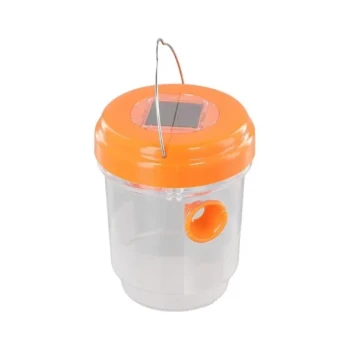
Drone traps paired with synthetic pheromone lures are precision tools designed to capture male honey bees (drones) for genetic analysis. By utilizing synthetic queen pheromones as an attractant, these devices draw flying drones into specific congregation areas, allowing researchers to secure direct access to the male genetic pool without needing to physically locate wild colonies.
The Core Insight Locating hidden wild honey bee nests to assess diversity is often impractical or impossible. Drone traps bypass this limitation by aggregating males from the surrounding landscape, providing the data necessary to calculate population density and effective population size.
The Mechanics of Capture
Utilizing Synthetic Attractants
The core mechanism of this method is the use of synthetic queen pheromones. These chemical lures mimic the natural biological signals emitted by a queen bee, triggering an instinctive flight response in male bees.
Targeting Congregation Areas
Traps are strategically deployed in drone congregation areas, locations where male bees naturally gather to mate. By intercepting drones in these flight zones, the equipment captures a representative sample of the local male population.
The Value for Diversity Surveys
Overcoming the "Hidden Nest" Problem
A major hurdle in biodiversity surveys is the difficulty of finding feral or unmanaged honey bee nests. Drone traps solve this by bringing the sample to the researcher, eliminating the need to search for hidden hives in dense vegetation or inaccessible terrain.
Measuring Effective Population Size
The biological material collected from these traps allows for high-level genetic analysis. Researchers use this data to estimate the effective population size, a critical metric for understanding the genetic health and sustainability of the local bee population.
Estimating Population Density
Beyond genetics, the volume of captures provides a proxy for population density. This helps ecologists map how honey bee populations are distributed across a specific geographic region.
Understanding the Trade-offs and Distinctions
Specificity of Data
It is important to recognize that drone traps are specialized for genetic and demographic data. They do not provide insights into the immediate nutritional intake or pathogen load of a specific colony in the way other hardware might.
Distinction from Pollen Traps
Unlike pollen traps, which are installed at hive entrances to monitor flowering dynamics and nutritional availability, drone traps operate away from the hive. They focus on the bees' genetics rather than their environmental interactions.
Distinction from Hive Traps
Similarly, drone traps differ from hive traps or specialized bee cages used to isolate live specimens for pathogen detection (such as Nosema). While hive traps ensure samples reflect the health of a specific colony, drone traps reflect the genetics of the broader landscape.
Making the Right Choice for Your Goal
To select the correct hardware for your survey, you must define the specific biological metric you need to measure.
- If your primary focus is genetic diversity or population density: Utilize drone traps with synthetic lures to sample the broader male population without locating nests.
- If your primary focus is nutritional availability: Utilize pollen traps at the hive entrance to monitor environmental flora and foraging dynamics.
- If your primary focus is pathogen detection: Utilize hive traps or bee cages to isolate specific colony members for health screenings like Nosema detection.
The effective application of drone traps converts the elusive nature of wild bee populations into quantifiable genetic data.
Summary Table:
| Feature | Drone Trapping Method | Primary Objective |
|---|---|---|
| Attractant Type | Synthetic Queen Pheromones | Trigger mating flight response |
| Target Location | Drone Congregation Areas | Intercept males from the landscape |
| Data Output | Genetic & Demographic Data | Estimate effective population size |
| Key Benefit | Landscape-Scale Sampling | No need to locate hidden wild hives |
| Comparison | Non-invasive Genetic Mapping | Map population health & diversity |
Elevate Your Apiary Operations with HONESTBEE
Whether you are a commercial apiary scaling up production or a distributor seeking high-quality supplies, HONESTBEE is your strategic partner. We offer a comprehensive wholesale portfolio—from precision beekeeping tools and hive-making machinery to honey-filling systems and cultural merchandise.
Our value to you:
- Efficiency: Streamline your honey processing with our advanced machinery.
- Scalability: Bulk supply of essential consumables for large-scale operations.
- Expertise: Tailored equipment solutions for modern beekeeping challenges.
Ready to enhance your productivity? Contact us today to discuss your wholesale needs and see how HONESTBEE can drive your business forward.
References
- Mogbel A. A. El‐Niweiri, Robin F. A. Moritz. The impact of apiculture on the genetic structure of wild honeybee populations (Apis mellifera) in Sudan. DOI: 10.1007/s10841-009-9231-4
This article is also based on technical information from HonestBee Knowledge Base .
Related Products
- Compact Multi-Funnel Hanging Wasp Trap
- Gourd Shaped Hanging Wasp Trap Professional Wasp Catcher
- Reusable Aluminium Beetle Trap for Small Hive Beetles Silver Bullet
- Professional Multi-Component Bucket Wasp Trap
- Plastic Beetle Blaster Trap Beekeeping Tools and Supplies
People Also Ask
- What are the practical advantages of using professional wasp traps and protective equipment in apiary management? Scale Up
- Why replace sugar syrup bait in wasp traps every three days? Ensure Maximum Attraction and Catch Rates
- What is the importance of deploying hornet traps around an apiary for maintaining colony stability? Protect Your Yields.
- What are the advantages of placing hornet traps on the tops of beehives? Maximize Hive Defense Against Predators
- What trapping methods and equipment setups protect commercial apiaries against seasonal hornet predation?