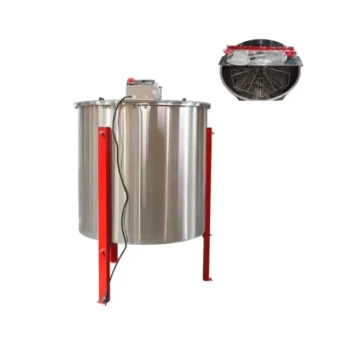
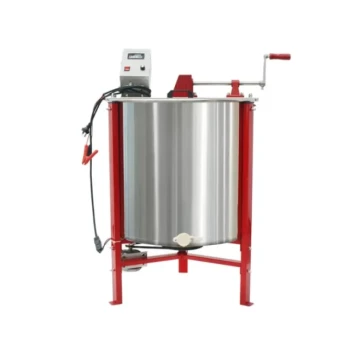
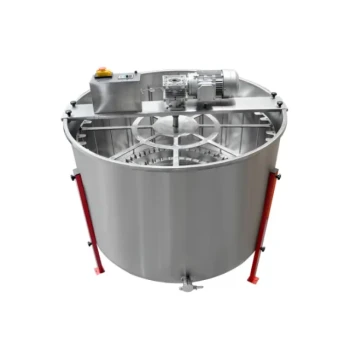
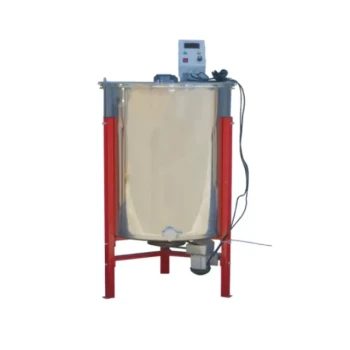
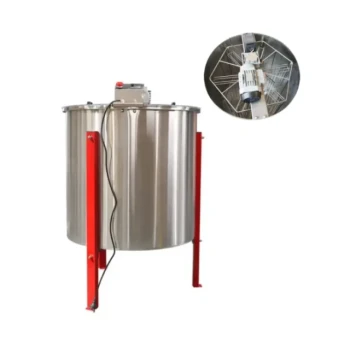
The primary benefit of installing a motor conversion kit is the transformation of a labor-intensive manual device into an automated, high-efficiency system. This upgrade directly addresses the physical bottleneck of honey harvesting by eliminating the need for hand-cranking, which significantly reduces operator fatigue. For beekeepers scaling their operations, this allows for faster processing of a larger volume of frames without the expense of buying an entirely new machine.
A motor conversion kit effectively bridges the gap between hobbyist and commercial beekeeping. It automates the centrifugal process to ensure consistent extraction speed and efficiency, freeing the operator to focus on uncapping and workflow rather than physical exertion.
Enhancing Operational Efficiency
Reducing Physical Labor
The most immediate impact of a motor conversion is the elimination of repetitive manual labor. Hand-cranking an extractor is physically demanding, especially when processing multiple supers of honey.
By automating the rotation, you remove the physical strain on your arm and shoulder. This allows you to process honey for longer periods without exhaustion.
Increasing Extraction Speed
Manual extraction is limited by human endurance and cranking speed. A motorized kit drives the basket at a consistent, high velocity that is difficult to maintain by hand.
This increased speed forces honey out of the cells more rapidly. Consequently, you can cycle through batches of frames much faster, drastically reducing the total time spent in the honey house.
Ensuring Consistency
Human cranking varies in speed and smoothness, which can lead to uneven extraction. A motor provides a steady, continuous rotation per cycle.
This consistency ensures that frames are spun out evenly. It is particularly beneficial for commercial or large-scale operations where uniformity and efficiency are critical to managing yield.
Understanding the Trade-offs
While the benefits of automation are clear, upgrading to a motor involves sacrificing some of the inherent advantages of a manual setup.
Loss of Tactile Feedback
Manual extractors offer a high degree of control, allowing you to feel the weight of the frames and adjust speed instantly to prevent damaging delicate combs.
Motors lack this tactile connection. If the speed is set too high too quickly on a motorized unit, you risk "blowing out" or damaging the wax foundation before the honey has evacuated, as you cannot feel the resistance.
Dependency on Power Sources
A manual extractor is fully portable and eco-friendly, requiring no electricity, which makes it ideal for off-grid locations or field use.
Installing a motor kit ties your operation to a power source. You lose the flexibility to extract in remote locations unless you have a generator or battery setup, adding complexity to the workflow.
Maintenance and Complexity
Manual mechanisms are simple, easy to clean, and rarely break down. Adding a motor introduces complex technology and moving parts that may require maintenance.
You must be prepared for potential mechanical issues or electrical failures. Unlike a hand crank, which is virtually fail-safe, a motor failure can halt your operation until a replacement is found.
Making the Right Choice for Your Goal
Deciding to install a conversion kit depends largely on the scale of your apiary and your specific harvesting goals.
- If your primary focus is scaling volume: The motor kit is the correct choice, as it maximizes throughput and minimizes the physical labor required to process hundreds of frames.
- If your primary focus is absolute control: You may prefer sticking with manual operation to maintain the tactile feedback necessary for preserving delicate or old combs.
- If your primary focus is portability: Avoid the conversion kit if you frequently harvest in off-grid locations or areas without reliable electricity.
Upgrading your extractor represents a shift from a hands-on hobbyist approach to a semi-automated production workflow.
Summary Table:
| Feature | Manual Extraction | Motorized Conversion |
|---|---|---|
| Labor Intensity | High (Hand-cranking) | Low (Automated) |
| Processing Speed | Limited by endurance | High & Consistent |
| Comb Protection | High (Tactile feedback) | Requires careful speed settings |
| Portability | High (Off-grid capable) | Low (Requires power source) |
| Maintenance | Minimal (Simple gears) | Moderate (Electrical components) |
Maximize Your Honey Yield with HONESTBEE Professional Equipment
Transitioning from manual labor to automated efficiency is the key to scaling your beekeeping business. At HONESTBEE, we specialize in supporting commercial apiaries and distributors with a complete range of high-performance beekeeping tools.
Whether you are looking for robust motor conversion kits, advanced honey-filling machines, or durable hive-making machinery, we provide the wholesale solutions you need to optimize your workflow. Our portfolio also includes essential industry consumables and unique honey-themed cultural merchandise to help you stand out in the market.
Ready to upgrade your operation and reduce physical fatigue? Contact us today to explore our wholesale catalog and expert solutions!
Related Products
- Vertical Motor Kits for 2 3 4 Frame Electric Honey Extractors
- Commercial Electric 12 Frame Honey Extractor Spinner Motorized Honey Extractor
- 8-Frame Electric Self-Reversing Honey Extractor Spinner for Commercial Honey Extraction Equipment
- HONESTBEE 6 Frame Three Use Electric Honey Extractor for Beekeeping
- Spare Crank Gear Drivetrain Assembly for Manual 4 Frame Honey Extractor
People Also Ask
- What operational benefits do motorized honey extractors provide? Scale Your Harvest Efficiency
- What operational practices are required when using motorized honey extractors to ensure smooth operation and prevent equipment imbalance? Explore our comprehensive guide for essential tips on balanced loading, speed control, and maintenance strategies.
- What are the advantages of using a motorized honey extractor? Maximize Efficiency and Precision for Your Apiary
- What other tasks can a honey extractor motor be used for? Explore its limited secondary applications.
- What is the primary function of a honey extractor motor in beekeeping? Boost Efficiency & Protect Honeycomb