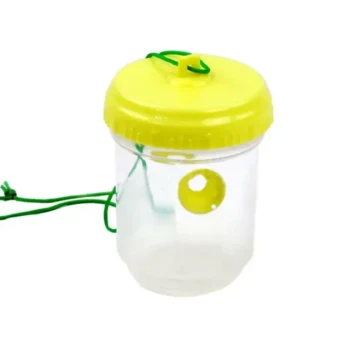
A funnel-type flight collector is a specialized non-invasive sampling device installed directly at a beehive's entrance to capture foraging honeybees as they depart. By utilizing a funnel-shaped guide and a ventilated container, it enables the collection of large numbers of active bees without requiring the hive to be opened or the colony to be disturbed.
The primary value of this device is its ability to isolate honeybees in a specific behavioral stage—specifically departing foragers with high physiological activity—while maintaining colony stability by eliminating the need for internal inspection.
Operational Mechanics and Design
Strategic Entrance Placement
The collector is mounted at the hive entrance, the primary traffic hub for the colony.
This placement allows the device to intercept bees naturally as they transition from the internal hive environment to the external environment.
Directional Guidance System
A funnel-shaped structure serves as the core mechanism for directing traffic.
This geometry guides departing bees into a holding area while preventing them from easily retreating back into the hive. It specifically targets bees initiating flight rather than those returning with resources.
Ventilation and Preservation
The collection container attached to the funnel is designed with adequate ventilation.
This ensures the captured bees remain alive and physiologically stable during the sampling period. As noted in general sampling protocols, keeping bees alive until laboratory processing is critical for preserving biological markers, such as viral RNA.
Scientific Advantages of this Method
Targeting High Physiological Activity
This method specifically samples bees that are energetic and ready for flight.
Researchers use this to study bees at peak physiological output, distinguishing them from sedentary bees or those performing low-energy tasks inside the hive.
Isolating Behavioral Stages
Honeybees exhibit age polyethism, meaning they perform different tasks as they age.
The funnel collector isolates foragers—typically older bees—separating them from nurse bees and house bees. This allows for precise studies regarding the distinct behavioral stage of foraging.
Zero-Disturbance Sampling
Perhaps the most significant advantage is the ability to sample without opening the hive.
Traditional sampling often involves removing frames, which disrupts colony temperature, pheromone balance, and social order. The funnel collector avoids this stress, ensuring the sample reflects natural behavior rather than a stress response.
Understanding the Trade-offs
Specificity of the Sample
It is important to recognize that this tool captures a specific subset of the population: departing foragers.
It does not collect nurse bees (which remain inside) or returning bees carrying pollen (which are typically captured by different entrance devices like pollen traps). If your study requires a cross-section of the entire colony age structure, this device alone is insufficient.
Preservation of Sample Integrity
While the device is non-invasive, the containment mechanism requires monitoring.
Bees trapped in the ventilated container must be collected promptly to ensure high-quality biological data. Prolonged confinement without temperature control can lead to sample degradation before the bees are frozen for analysis.
Making the Right Choice for Your Goal
To select the correct sampling method, you must align the tool with the specific biological data you require.
- If your primary focus is physiological flight capacity: Use the funnel-type flight collector to secure bees that are actively initiating foraging trips.
- If your primary focus is minimizing colony stress: Rely on this external collector to obtain samples without disrupting the hive's internal environment.
- If your primary focus is returning resources (pollen): Do not use this device; instead, utilize a pollen trap which targets returning bees and mechanically separates pellets.
By targeting departing foragers externally, the funnel-type flight collector balances high-volume sampling with minimal colony impact.
Summary Table:
| Key Feature | Functional Purpose | Research & Operational Benefit |
|---|---|---|
| Funnel Guide | Directionally traps departing bees | Isolates foragers at peak physiological activity |
| Entrance Mount | Intercepts traffic at the hive door | Zero-disturbance sampling; no need to open the hive |
| Ventilated Container | Provides airflow to captured bees | Preserves biological markers and sample integrity |
| Non-Invasive Design | Minimizes colony stress | Maintains hive temperature and pheromone balance |
Elevate Your Apiary Operations with HONESTBEE
Are you looking to scale your commercial apiary or expand your distribution inventory? HONESTBEE provides high-performance solutions tailored for industry professionals. We offer a comprehensive wholesale portfolio ranging from specialized hardware like hive-making and honey-filling machines to essential beekeeping tools and consumables.
Whether you need precision sampling equipment or honey-themed cultural merchandise, our team is dedicated to supporting your growth with reliable, high-quality products.
Contact us today to explore our full catalog and wholesale pricing!
References
- Geoffrey R. Williams, Robert Brodschneider. Standard methods for maintaining adult<i>Apis mellifera</i>in cages under<i>in vitro</i>laboratory conditions. DOI: 10.3896/ibra.1.52.1.04
This article is also based on technical information from HonestBee Knowledge Base .
Related Products
People Also Ask
- What are the practical advantages of using professional wasp traps and protective equipment in apiary management? Scale Up
- Why replace sugar syrup bait in wasp traps every three days? Ensure Maximum Attraction and Catch Rates
- What is the importance of deploying hornet traps around an apiary for maintaining colony stability? Protect Your Yields.
- What are the advantages of placing hornet traps on the tops of beehives? Maximize Hive Defense Against Predators
- What is the technical purpose of placing expanded clay balls in a hornet trap? Optimize Your Apiary Monitoring