A pollen trap is a specialized mechanical barrier installed at the hive entrance to intercept biological samples from foraging bees. By forcing returning bees to navigate through a grid with precise apertures, the device physically strips pollen pellets from their hind legs and deposits them into a secure collection tray.
Core Takeaway: Ideally, a pollen trap serves as a non-invasive research tool that converts a beehive into a real-time environmental monitoring station. It allows for the continuous collection of samples to analyze pesticide exposure and floral resources without harming the bees or disrupting the colony's internal development.
The Mechanics of Sample Collection
To understand the function of the trap, you must look past the hardware and view it as a filtration system for environmental data.
The Aperture Grid
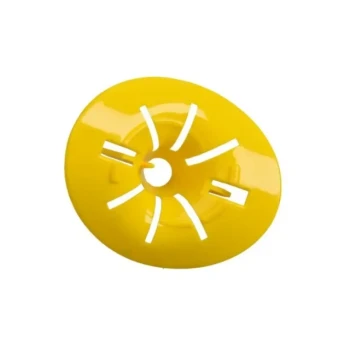
The core component of the trap is a plate—often plastic or perforated steel—featuring a grid of specific hole sizes (typically around 5.5mm or star-shaped). This grid is placed directly in the flight path of returning foragers.
Physical Separation
As the bee attempts to squeeze through these restricted openings to enter the hive, the walls of the aperture create mechanical friction against the bee's legs. This action physically scrapes the pollen pellets (pollen baskets) off the bee's hind legs.
The Collection Tray
Once dislodged, the pollen pellets fall through a secondary mesh that bees cannot pass through, landing in a designated collection drawer below. This ensures the samples are isolated immediately, preserving them for analysis.
Primary Utility: Chemical and Environmental Analysis
While pollen traps are sometimes used for harvesting nutritional products, the technical focus here is on data collection.
Detecting Pesticide Exposure
According to your primary reference, the most critical function of the trap is enabling chemical analysis. By capturing pollen in real-time on a given day, researchers can analyze the pellets to determine exactly what pesticides the colony is being exposed to in the field.
Mapping Floral Resources
Beyond toxicology, the trap provides quantitative data on local ecology. By identifying the taxonomy of the trapped pollen, you can assess the abundance of local resources and determine which crops or wild vegetation the bees are prioritizing.
Understanding the Trade-offs
While the pollen trap is a powerful tool, it operates by depriving the hive of some resources.
Nutritional Impact
The device intercepts a source of protein intended for the colony's larvae. While high-quality traps are designed to allow some pollen through to prevent starvation, they essentially tax the colony's incoming resources.
Disruption Balance
The goal is to collect "physical samples... without negatively impacting colony development." However, this requires careful management. Continuous use without monitoring can stress the colony, so they are often deployed only during specific peak foraging windows (e.g., 6:00 AM to 11:00 AM).
Making the Right Choice for Your Goal
When employing a pollen trap, your specific objective should dictate how you analyze the data collected.
- If your primary focus is Chemical Safety: Prioritize the trap as a tool for pesticide exposure monitoring, using the daily samples to correlate field applications with hive contamination.
- If your primary focus is Environmental Biology: Use the trap for taxonomic studies, weighing and identifying pellets to map the flowering dynamics and nutritional availability of the surrounding landscape.
Ultimately, the function of a pollen trap is to provide a non-destructive window into the environment the bees are traversing, delivering hard data on chemical risks and botanical resources.
Summary Table:
| Feature | Function & Technical Detail |
|---|---|
| Core Mechanism | Mechanical filtration via a precision aperture grid (approx. 5.5mm) |
| Physical Action | Scrapes pollen pellets from bee corbiculae (hind legs) through friction |
| Primary Goal | Real-time environmental monitoring and chemical exposure analysis |
| Data Output | Identification of pesticide residues and local botanical diversity |
| Colony Impact | Non-invasive data collection with controlled resource extraction |
Maximize Your Apiary’s Potential with HONESTBEE
At HONESTBEE, we understand that precision tools like pollen traps are vital for both environmental research and commercial efficiency. As a leading global supplier for commercial apiaries and distributors, we offer a comprehensive wholesale range of professional-grade beekeeping tools, specialized hardware, and industrial machinery.
Whether you need advanced honey-filling machines, hive-making equipment, or essential industry consumables, our portfolio is designed to scale your operations. Partner with us to access high-quality equipment that ensures both colony health and superior yields.
Ready to upgrade your commercial beekeeping operations? Contact our team of experts today to discuss your wholesale needs and custom equipment solutions!
References
- Lotta Kaila, Marja Jalli. Pesticide residues in honeybee-collected pollen: does the EU regulation protect honeybees from pesticides?. DOI: 10.1007/s11356-021-16947-z
This article is also based on technical information from HonestBee Knowledge Base .
Related Products
- Removable Plastic Pollen Trap With Ventilated Tray for Bees Pollen Collector
- 30 cm Plastic Entrance Hole Bee Pollen Trap and Collector
- Plastic Bee Pollen Trap Strips Comb Catcher Collector
- 8 Frame and 10 Frame Propolis Trap Collector Screen for Propolis Collection
- Professional Bucket Style Wasp and Moth Pheromone Trap
People Also Ask
- What are the design principles and advantages of pollen traps in the collection of bee pollen? Boost Your Apiary Yield
- What is the function of professional pollen traps in evaluating honey plants? Quantifying Pollination and Crop Potential
- What functions do pollen traps serve for bee bread production? Optimize Your Raw Material Collection
- What maintenance and pest prevention measures should be taken for pollen traps? Protect Your Hive and Harvest Quality
- How does the use of pollen traps in honeybee hives enhance crop fertilization? Boost Your Yield Through Induced Activity