The function of an ultrasonic cleaner in extracting poplar-type propolis is to mechanically disrupt the raw material's dense biological structure using high-frequency acoustic energy. This process creates cavitation effects that break down complex resin and wax matrices, forcing the release of target phenolic compounds into organic solvents like dichloromethane to significantly improve extraction efficiency and sample integrity.
Core Insight: Ultrasonic extraction replaces passive dissolution with active mechanical disruption. By penetrating the protective waxy layers of propolis, it ensures the full release of bioactive compounds without the need for excessive heat that could degrade them.
The Mechanism of Action
Acoustic Cavitation
The core mechanism is acoustic cavitation. The ultrasonic cleaner emits high-frequency sound waves that create microscopic bubbles within the solvent.
Generation of Shock Waves
When these cavitation bubbles collapse or burst, they generate intense, localized shock waves and micro-jets. This release of energy occurs directly on the surface of the propolis particles.
Disruption of the Matrix
These physical forces are strong enough to shatter the complex resin and wax structures that naturally encase the active ingredients in propolis. This mechanical breakdown is far more effective than simple soaking or stirring.
Why It Is Critical for Poplar-Type Propolis
Releasing Target Compounds
Poplar-type propolis is rich in specific phenolic compounds. The ultrasonic action ensures these compounds are fully liberated from the biological matrix and dissolved into the solvent.
Enhancing Solvent Efficiency
For poplar-type propolis, organic solvents such as dichloromethane are often used. The ultrasonic waves increase the contact surface area between the solvent and the propolis, creating higher permeability and mass transfer efficiency.
Preserving Chemical Integrity
Because the process relies on mechanical force rather than thermal energy, it prevents the thermal degradation of heat-sensitive active ingredients. This ensures the final extract accurately represents the chemical diversity of the original sample.
Understanding the Trade-offs
Solvent Selection is Key
While the ultrasonic mechanism is powerful, it must be paired with the correct solvent. The primary reference specifically highlights dichloromethane for poplar-type propolis to maximize the release of phenolics, whereas other methods might rely solely on ethanol.
Temperature Management
Although ultrasonic cleaning reduces the need for external heat, the cavitation process itself can generate local heat over time. To maintain the benefit of low-temperature extraction (often around 25°C), the equipment settings must be monitored to protect fragile antioxidant substances.
Making the Right Choice for Your Goal
- If your primary focus is Extraction Yield: Utilize ultrasonic cleaning to mechanically strip waxy layers, ensuring the maximum amount of phenolic compounds diffuses into the solvent.
- If your primary focus is Sample Quality: Rely on this method to avoid high temperatures, preserving the biological activity of heat-sensitive ingredients like flavonoids.
- If your primary focus is Process Speed: Use ultrasonic extraction to drastically reduce processing time compared to traditional maceration or passive soaking methods.
Ultrasonic extraction transforms the breakdown of poplar-type propolis from a chemical challenge into a controllable, high-efficiency mechanical process.
Summary Table:
| Feature | Ultrasonic Extraction Advantage |
|---|---|
| Core Mechanism | Acoustic cavitation & mechanical shock waves |
| Key Benefit | Disrupts dense resin/wax matrices for higher yield |
| Temperature Control | Low-heat process preserves heat-sensitive flavonoids |
| Solvent Synergy | Increases mass transfer efficiency with dichloromethane/solvents |
| Process Speed | Significantly faster than traditional passive soaking |
Maximize Your Propolis Production Efficiency with HONESTBEE
At HONESTBEE, we specialize in supporting commercial apiaries and distributors by providing the industry's most robust and precise beekeeping tools and machinery. Whether you are looking to scale your extraction process with advanced honey-filling machines or require specialized hardware for professional hive production, our comprehensive wholesale portfolio has you covered.
We provide the essential consumables and high-performance equipment needed to preserve the integrity of your propolis and honey products while maximizing output. Partner with a global leader in beekeeping innovation to elevate your operation today.
Contact our expert team to discuss your wholesale needs
References
- Dušanka Milojković‐Opsenica, Živoslav Tešić. TLC Fingerprinting and Pattern Recognition Methods in the Assessment of Authenticity of Poplar-Type Propolis. DOI: 10.1093/chromsci/bmw024
This article is also based on technical information from HonestBee Knowledge Base .
Related Products
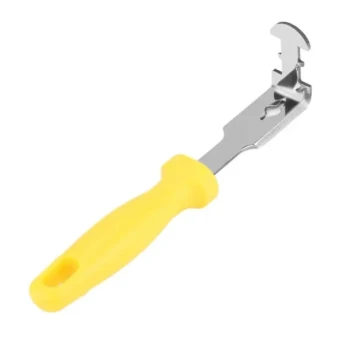
- Heavy Duty Stainless Steel Frame Cleaner with Plastic Handle
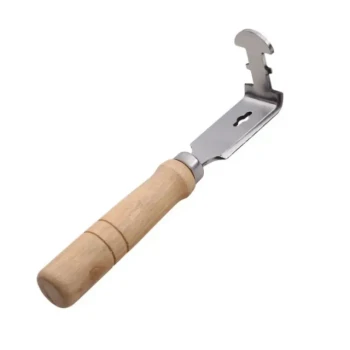
- Professional Stainless Steel Frame Cleaner with Ergonomic Wood Handle
- 8 Frame and 10 Frame Propolis Trap Collector Screen for Propolis Collection
People Also Ask
- What tools are used for cleaning frames? A Beekeeper's Simple 4-Tool Guide
- What are the physical characteristics of the frame cleaning tool? Durable Wood Design for Effective Hive Maintenance
- What is the purpose of the frame cleaning tool? A Precision Tool for Efficient Frame Maintenance
- In what specific situation is the frame cleaning tool particularly useful? Master Cut Comb Maintenance
- What is the function of the frame cleaning tool in beekeeping? Streamline Your Apiary Hygiene and Maintenance