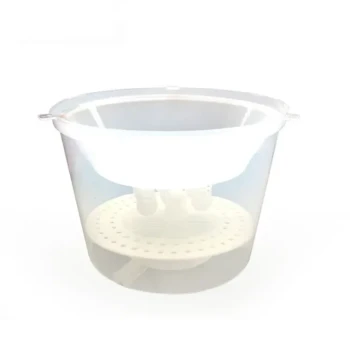
Pollen traps function as precision mechanical filters designed to intercept and collect biological samples immediately upon a forager's return to the hive. Installed directly at the entrance, these devices utilize a grid structure to strip pollen pellets from the hind legs of bees, capturing the material before it enters the hive environment. For pesticide residue monitoring, this specific function is vital because it isolates the sample from internal hive processing, providing an unaltered snapshot of environmental contamination.
By intercepting pollen at the doorstep, these traps prevent the chemical degradation and cross-contamination that occur when bees process raw pollen into stored "bee bread." This ensures that analytical data reflects the immediate environment with high temporal precision.
The Mechanics of Sample Collection
The Interception Grid
The core mechanism of a pollen trap is a specialized grid or aperture plate, often featuring holes around 4.9 mm in diameter. As foraging bees attempt to enter the hive through this grid, the physical obstruction is just narrow enough to allow the bee to pass while mechanically dislodging the pollen pellets attached to their hind legs.
Passive Harvesting
Once dislodged, the pollen pellets fall through a secondary mesh into a protected collection drawer or container below. This system captures the sample passively, allowing the colony to continue foraging without significant disruption while researchers aggregate the biological material.
Why Entrance Traps are Critical for Data Accuracy
Preventing Sample Degradation
The primary scientific value of the pollen trap is its ability to secure fresh pollen loads. Once pollen enters the hive, bees mix it with nectar and glandular secretions to create "bee bread." This processing can alter the chemical composition of the sample and introduce cross-contamination from previously stored food, rendering it less reliable for pinpointing specific pesticide exposure events.
High Temporal Resolution
Because the trap collects pollen currently being foraged, it offers superior temporal resolution. Researchers can correlate the chemical residues found in the trap with specific spraying events, blooming periods of surrounding crops, or industrial activities happening at that exact moment. It removes the guesswork associated with analyzing stored hive products that may have been gathered weeks or months prior.
Environmental Mapping
Beyond pesticides, these traps turn the colony into a living environmental monitor. By analyzing the trapped pollen, scientists can identify the exact plant species visited and quantify other pollutants, such as heavy metals or radiocesium, providing a comprehensive map of the local ecosystem's health.
Operational Considerations and Trade-offs
Impact on Colony Resources
While designed to be non-destructive, pollen traps intercept a crucial source of protein for the hive. It is essential to understand that these devices remove raw materials required for brood rearing. Continuous use without management can lead to nutritional stress within the colony.
Specificity of Hardware
The effectiveness of the trap relies heavily on the grid specifications. An incorrect aperture size can either fail to dislodge the pollen effectively (yielding poor data) or physically harm the bees as they squeeze through. The hardware must be matched to the specific bee species and the monitoring goals.
Making the Right Choice for Your Project
When designing a monitoring protocol, the use of pollen traps should be aligned with your specific analytical goals.
- If your primary focus is real-time exposure risk: Utilize entrance traps to capture fresh pollen, as this provides the most accurate link between current field conditions and pesticide presence.
- If your primary focus is nutritional analysis: Ensure the sampling schedule is intermittent, allowing the bees sufficient time to bypass the trap and store enough protein to maintain colony health.
The pollen trap effectively transforms a beehive from a simple agricultural unit into a sophisticated, distinct-point sampling device for environmental toxicology.
Summary Table:
| Feature | Function in Monitoring | Impact on Data Accuracy |
|---|---|---|
| Interception Grid | Dislodges pollen pellets mechanically | Prevents contamination from inside the hive |
| Passive Harvesting | Collects samples in a protected drawer | Enables high-volume, non-disruptive sampling |
| Fresh Collection | Captures pollen before processing | Prevents chemical degradation into bee bread |
| Temporal Resolution | Links residues to specific bloom times | Provides real-time environmental mapping |
Maximize Your Monitoring Precision with HONESTBEE
For commercial apiaries and distributors, obtaining accurate environmental data starts with high-quality hardware. At HONESTBEE, we specialize in providing the full spectrum of beekeeping tools and machinery, including precision-engineered pollen traps and honey-filling systems designed for professional scale. Our comprehensive wholesale offering ensures that whether you are mapping local ecosystems or managing large-scale operations, you have access to the industry's most reliable equipment and consumables.
Ready to elevate your apiary's efficiency and monitoring capabilities?
Contact our expert team today to discuss your wholesale needs!
References
- Franziska Böhme, Klaus Wallner. Pesticide residue survey of pollen loads collected by honeybees (Apis mellifera) in daily intervals at three agricultural sites in South Germany. DOI: 10.1371/journal.pone.0199995
This article is also based on technical information from HonestBee Knowledge Base .
Related Products
- Removable Plastic Pollen Trap With Ventilated Tray for Bees Pollen Collector
- 30 cm Plastic Entrance Hole Bee Pollen Trap and Collector
- Plastic Bee Pollen Trap Strips Comb Catcher Collector
- Black Plastic Beetle Barn Hive Beetle Trap for Beehives
- Reusable Clear Small Hive Beetle Traps for Beehives Beetle Trapping Tools
People Also Ask
- What are the design principles and advantages of pollen traps in the collection of bee pollen? Boost Your Apiary Yield
- What is the function of professional pollen traps in evaluating honey plants? Quantifying Pollination and Crop Potential
- What functions do pollen traps serve for bee bread production? Optimize Your Raw Material Collection
- What maintenance and pest prevention measures should be taken for pollen traps? Protect Your Hive and Harvest Quality
- How does the use of pollen traps in honeybee hives enhance crop fertilization? Boost Your Yield Through Induced Activity