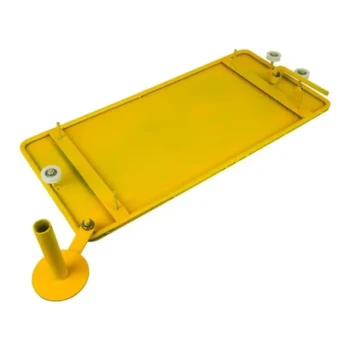
Professional bee farm protection equipment serves as the primary defense system against wildlife predation in high-risk environments. Its main function is to deploy hardware solutions, such as electric fences and reinforced shielding, to create physical barriers and issue non-lethal warnings. These measures actively deter large predators like bears and wild boars, ensuring the physical safety of the hives in remote or forest-adjacent locations.
While the immediate function is to block predators, the strategic value of this equipment lies in securing colony stability and protecting beekeeping assets. It transforms vulnerable, isolated locations into viable production sites by mitigating the risk of total apiary destruction.
Mechanisms of Defense
Creating Physical Barriers
The most direct function of professional protection equipment is denying access. Reinforced shielding facilities are designed to withstand the brute force of large animals.
By physically enclosing the apiary, this hardware prevents predators from reaching the hives. This stops animals from tipping over, crushing, or breaking open the hive boxes to access the brood and honey.
delivering Non-Lethal Warnings
Beyond static barriers, systems like electric fences provide active deterrence. These devices deliver a sharp, unpleasant shock that does not permanently harm the animal but conditions it to avoid the area.
This psychological barrier is crucial for persistent predators like bears. Once an animal associates the apiary perimeter with a negative stimulus, it is less likely to attempt a breach in the future.
Operational Impact on the Apiary
Preserving Colony Stability
Predator attacks do more than destroy equipment; they cause catastrophic stress to the bee colony. Protection equipment maintains a stable environment where the bees can operate without disruption.
When a colony feels threatened or is physically disturbed, honey production halts as bees switch to defensive behaviors. By excluding threats, the equipment ensures the colony remains focused on foraging and brood rearing.
Enabling Remote Production
Many optimal locations for honey production are located in isolated forest regions rich in flora but dense with wildlife. Without protection, these areas are operationally unviable.
This equipment serves as a necessary safety measure that unlocks these high-yield territories. It allows beekeepers to harvest honey in areas that would otherwise be too risky due to predator density.
Understanding the Necessity
The Risk of Asset Damage
In remote areas, the absence of protection guarantees eventual loss. Beekeeping equipment represents a significant financial investment.
Bears and wild boars can reduce an entire apiary to splinters in a single night. Professional protection acts as an insurance policy, significantly reducing the risk of asset damage and ensuring the continuity of the business.
Operational Prerequisites
In environments with wildlife threats, this equipment is not optional; it is a foundational requirement.
You cannot rely on manual intervention in remote areas. The equipment must function autonomously to provide 24/7 security for the harvest to be successful.
Making the Right Choice for Your Goal
- If your primary focus is preventing physical destruction: Prioritize reinforced shielding facilities that offer a robust hard barrier against brute force attacks.
- If your primary focus is behavioral conditioning: Implement electric fencing systems to create a psychological deterrent that keeps wildlife at a safe distance.
Effective protection is the difference between a destroyed apiary and a successful harvest.
Summary Table:
| Defense Mechanism | Primary Function | Operational Benefit |
|---|---|---|
| Physical Barriers | Denies access through reinforced shielding | Prevents brute force destruction of hive boxes |
| Electric Fencing | Delivers non-lethal psychological deterrence | Conditions predators to avoid the apiary perimeter |
| Secure Enclosures | Maintains a stable, stress-free environment | Ensures continuous honey production and colony focus |
| Remote Deployment | Enables operation in high-risk forest zones | Unlocks high-yield territories previously unviable |
Secure Your Apiary Investment with HONESTBEE
Protecting your colonies from wildlife is essential for maintaining a profitable beekeeping operation. At HONESTBEE, we specialize in supporting commercial apiaries and distributors by providing the industry's most reliable protection hardware and specialized machinery.
Why partner with us?
- Comprehensive Inventory: From reinforced hive-making machinery to advanced protective barriers, we supply the full spectrum of equipment needed for high-risk environments.
- Wholesale Expertise: We cater specifically to large-scale operations and distributors, ensuring you have the volume and quality necessary to scale safely.
- Total Solutions: Beyond protection, our portfolio includes everything from honey-filling machines to essential industry consumables and honey-themed merchandise.
Don't let wildlife threats compromise your harvest. Contact HONESTBEE today to discuss our wholesale solutions and secure your apiaries with professional-grade equipment.
References
- Selda GEDİK, Samim KAYIKÇI. Bal Ormanlarının Sosyo-Ekonomik Boyutunun İncelenmesi: Koyulhisar Örneği. DOI: 10.24011/barofd.942611
This article is also based on technical information from HonestBee Knowledge Base .
Related Products
- Professional Frame Preparation: The HONESTBEE Electric Wire Embedder
- Electric Bee Smoker European Style Bee Hive Smoker for Beekeeping
- Stainless Steel Electric Beehive Smoker for Beekeeping and Bee Keeper Use
- Multi-Functional Sliding Hive Entrance for Beekeeping
- HONESTBEE AC Powered Wire Embedder with Alligator Clips
People Also Ask
- What is the primary function of an electric embedder? Secure Your Beeswax Foundation with Heat Fusion
- Why is wire embedding necessary for wax foundation sheets used in honey supers, and how is it properly executed? Essential Reinforcement for Reliable Honey Extraction
- What methods are used to embed wire into the foundation? A Guide to Stronger, More Durable Beehives
- What is the purpose of bee frame wire? Secure Wax Foundation and Reinforce Honeycomb
- What is the primary function of wired-beeswax foundation? Secure Stronger Combs & Faster Colony Growth