Specialized wax cups function as artificial biomimetic molds designed to deceive worker bees into initiating the queen-rearing process. By replicating the exact shape and material texture of natural queen cells, these cups serve as the foundational vessel for holding transferred larvae and triggering the mass secretion of royal jelly.
The core purpose of the wax cup is to act as a "biological key," simulating a natural emergency or swarming impulse within the hive to induce nurse bees to accept grafted larvae and feed them as potential queens.
The Mechanism of Biomimicry
Simulating the Natural Environment
The primary function of the wax cup is to mimic the natural queen cell base that colonies construct during swarming or supersedure events.
This structural imitation is critical. The cups provide the physical "substrate" that convinces the colony that a new queen is needed, transforming a standard worker larva environment into a royal chamber.
Triggering Royal Jelly Secretion
Once a larva—optimally 12 to 24 hours old—is grafted into the cup, the cup’s design induces nurse bees to accept the new resident.
This acceptance triggers the immediate and abundant secretion of royal jelly. The cup acts as a reservoir for this nutrient-rich food, which is essential for differentiating the developing larva into a queen rather than a worker bee.
Facilitating Standardized Production
The Grafting Interface
Wax cups serve as the standardized "hardware" for the delicate process of grafting.
They act as a secure carrier for the larvae during the transfer from worker cells to the rearing frame. This allows beekeepers to select specific genetic sources and ensure the larvae are of the precise age required for high-quality queen development.
Enabling Modular Scale
Unlike natural cells, which are built sporadically within the comb, wax cups are designed to be mounted on grafting frames.
This turns queen rearing into a modular industrial process. A beekeeper can manage dozens of developing queens within a single hive cycle, creating a controlled interface for the large-scale collection of royal jelly or the mass production of virgin queens.
Understanding the Material Trade-offs
Wax vs. Plastic Foundations
While the primary reference emphasizes specialized wax cups, supplementary data notes that plastic cups are often used for durability.
However, pure plastic often suffers from lower acceptance rates. To mitigate this, plastic cups are frequently coated with molten beeswax to simulate the natural texture. The chemical properties and pH of the cup material (wax vs. plastic) can influence royal jelly quality and larval survival.
The Sensitivity of Acceptance
The material quality of the cup is a direct variable in success rates.
If the wax does not adequately mimic the hive's internal chemistry or texture, nurse bees may reject the grafted larvae. Therefore, the cup is not just a container; it is a critical variable in the survival rate of the graft.
Making the Right Choice for Your Goal
Whether you are producing royal jelly or breeding stock, the function of the cup remains the central pivot of the operation.
- If your primary focus is Royal Jelly Production: Prioritize cups that maximize volume and ease of harvest, ensuring the material induces the highest possible secretion rates from nurse bees.
- If your primary focus is Queen Breeding: Ensure you are using cups (or wax-coated bases) that maximize larval acceptance and provide a stable environment for the full developmental cycle of the virgin queen.
The wax cup is the essential bridge between human management and honeybee biology, converting a standard larva into a royal asset.
Summary Table:
| Feature | Function in Queen Rearing | Key Benefit |
|---|---|---|
| Biomimicry | Replicates natural queen cell shape/material | High acceptance rates by nurse bees |
| Reservoir | Holds abundant royal jelly for the larva | Ensures proper queen differentiation |
| Standardization | Provides a uniform interface for grafting | Enables large-scale modular production |
| Material Quality | Mimics hive chemistry and texture | Minimizes larval rejection and mortality |
Elevate Your Apiary with Professional-Grade Solutions
Maximize your production efficiency with high-quality queen rearing equipment from HONESTBEE. As a premier partner for commercial apiaries and distributors, we provide a full spectrum of beekeeping tools, specialized wax and plastic cups, and advanced machinery like hive-making and honey-filling systems.
Whether you are scaling royal jelly production or breeding superior genetic stock, our comprehensive wholesale offering ensures you have the reliable hardware and consumables needed for industrial success. Contact us today to discover how HONESTBEE can streamline your operations and grow your business.
References
- B. Mohamed SHAWER, Takatoshi UENO. Banana Flowers (Musa sp.: Musaceae): an Essential Source of Nectar for Honeybee During the Dearth Period in Egypt. DOI: 10.5109/2232281
This article is also based on technical information from HonestBee Knowledge Base .
Related Products
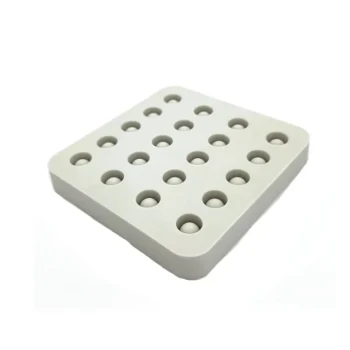
- High-Efficiency 20-Cell Silicone Mold for Beeswax Bee Queen Cup Production
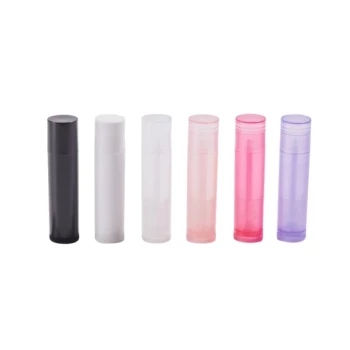
- Clear Black Plain Polystyrene Queen Bee Grafting Cell Cups No Lug for Bee Queen Cup
- JZBZ Type Wide Base Plastic Queen Cell Cups for Base Mounting and Queen Rearing
- Stainless Steel Honey Press Wax Press with Tank
- Brown Nicot Queen Cell Cups for Breeding Queen Bees Beekeeping
People Also Ask
- What is the first tip for pouring beeswax into a silicone mold? Ensure a Perfect Release
- What are the technical advantages of using precision silicone molds for the manufacturing of beeswax queen cups? - Scale
- How do beeswax queen cell cups function? Optimize Queen Rearing with Biological Mimicry
- What is the biological function of beeswax queen cell cups? Boost Acceptance in Artificial Queen Rearing
- What are the advantages of using tapered wooden dowels for queen cups? Boost Rearing Consistency & Acceptance