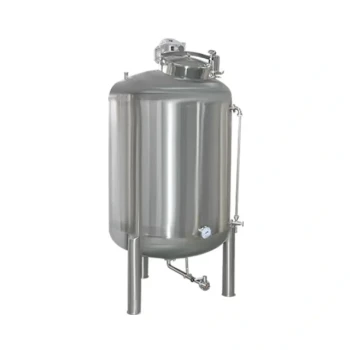
Stainless steel ripening equipment serves as a critical purification stage where extracted honey undergoes sedimentation and clarification before packaging. By holding the honey in a controlled environment, these tanks allow air bubbles to rise and solid impurities to settle, while simultaneously managing moisture levels to ensure the product meets strict sensory and stability standards.
The ripening process is not merely storage; it is an active physical separation phase that stabilizes the honey's chemistry. By utilizing gravity and environmental controls, this equipment transforms raw harvest into a shelf-stable product by eliminating the three primary threats to quality: excess moisture, particulate contamination, and trapped air.
The Mechanics of Sedimentation and Clarification
Physical Separation of Impurities
The primary function of ripening equipment is to facilitate natural sedimentation. Following extraction, honey often contains debris such as wax particles and larval fragments. Ripening tanks allow these heavier impurities to settle at the bottom while lighter particles float to the top, creating a clear stratum of pure honey in the center for extraction.
Elimination of Air Bubbles
During the mechanical extraction process, significant amounts of air are whipped into the honey. Ripening equipment allows the honey to rest, giving these bubbles time to rise to the surface as foam. Removing this trapped air is essential for preventing irregular crystallization and ensuring the correct net weight during bottling.
Moisture Stabilization
Ripening tanks help manage the honey's water content, which is the single biggest factor in preventing spoilage. Through controlled environmental conditions, the equipment helps reduce excess moisture. This ensures the moisture content stays below critical thresholds (typically 20%), preventing yeast fermentation which ruins the product.
The Importance of Material Selection
Preventing Chemical Contamination
Honey is a weakly acidic substance that can react with reactive metals. Using stainless steel is non-negotiable because it is chemically inert. Unlike iron or lower-grade metals, stainless steel prevents the leaching of heavy metals into the honey, ensuring food safety and regulatory compliance.
Maintaining Flavor Integrity
Porous materials like recycled plastic can harbor bacteria or leach odors. Stainless steel provides a hermetic, sanitary environment that preserves the honey's natural flavor profile. It protects the delicate biochemical properties of the honey from reacting with the container itself.
Preservation of Quality and Value
Enhancing Visual Transparency
Market grading and pricing are heavily influenced by the visual appeal of the honey. By effectively removing suspended solids and air, ripening equipment significantly improves transparency and clarity. This directly impacts the commercial grade and the final selling price of the product.
Protecting Nutritional Components
Advanced ripening systems often incorporate temperature and humidity controls. These systems allow for dehydration without overheating, which preserves heat-sensitive enzymes and nutritional components. This precise control ensures the honey remains "raw" enough to retain its health benefits while being stable enough for export.
Common Pitfalls to Avoid
Rushing the Settling Process
The effectiveness of ripening relies heavily on time and gravity. Bottling the honey too quickly before adequate settling prevents the complete separation of micro-bubbles and fine debris. This results in cloudy honey that may stratify or ferment later in the jar.
Inadequate Environmental Control
Simply placing honey in a steel tank is insufficient if the ambient environment is uncontrolled. Honey is hygroscopic, meaning it absorbs moisture from the air. Without proper humidity control during the ripening phase, the honey can actually gain moisture rather than lose it, increasing the risk of fermentation.
Making the Right Choice for Your Goals
To maximize the value of your honey processing, align your equipment use with your specific quality targets:
- If your primary focus is Shelf Life: Prioritize equipment with integrated humidity control to rigorously ensure moisture content remains below 20% to prevent fermentation.
- If your primary focus is Market Value: Focus on the duration of the settling phase to maximize transparency and remove all visible air bubbles, which drives higher grading.
The function of stainless steel ripening equipment extends far beyond storage; it is the fundamental tool for refining raw agricultural yield into a pure, stable, and high-value commercial product.
Summary Table:
| Key Function | Action Taken | Primary Benefit |
|---|---|---|
| Physical Separation | Natural sedimentation & flotation | Removes wax, debris, and impurities for high clarity. |
| Air Elimination | Controlled resting phase | Removes foam/bubbles to prevent irregular crystallization. |
| Moisture Control | Environmental stabilization | Lowers water content to prevent yeast fermentation. |
| Material Safety | Use of food-grade stainless steel | Prevents chemical leaching and preserves natural flavor. |
| Quality Retention | Low-heat dehydration | Protects sensitive enzymes and nutritional profile. |
Elevate Your Honey Production with HONESTBEE
Maximize the commercial value of your harvest with professional-grade ripening systems. At HONESTBEE, we specialize in supporting commercial apiaries and distributors with a comprehensive wholesale range of beekeeping tools, machinery, and essential consumables.
Our industrial-grade stainless steel ripening equipment ensures your honey meets the highest global standards for clarity and shelf stability. From specialized honey-filling machines to large-scale hive-making hardware, we provide the end-to-end infrastructure your business needs to scale efficiently.
Ready to upgrade your processing facility? Contact us today to discuss our wholesale machinery solutions and how we can help you deliver a premium product to your customers.
References
- Marc Benoît, Gilles Grosmond. Analysis of the greenhouse gas emissions and energy consumption in beekeeping: what are the sensitivity factors?. DOI: 10.3389/fanim.2025.1524343
This article is also based on technical information from HonestBee Knowledge Base .
Related Products
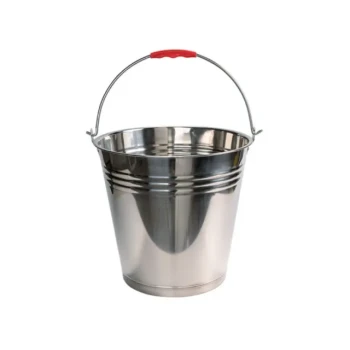
- Premium Stainless Steel Honey Tank Bucket Pail with Reinforced Handle and Polished Finish
- Stainless Steel Honey Storage Tank with Lid for Honey
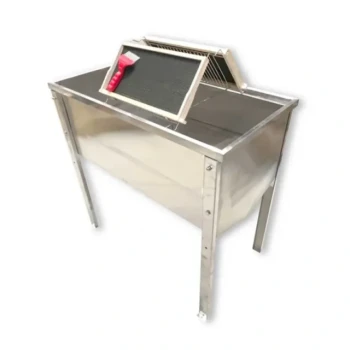
- Heavy Duty Stainless Steel Honey Processing Machine Decrystallizing Tank
- Stainless Steel Honey Storage and Settling Tank with Double Strainer
- Stainless Steel Heated Honey Tank Warming Heating Tank
People Also Ask
- What is the best container for honey? Preserve Purity & Flavor with the Right Choice
- What honey container sizes are recommended for specific commercial use cases? Maximize Your Apiary Profits
- What is the best container to store honey in? Preserve Purity & Flavor for Years
- What container can I put honey in? Choose the Best for Purity & Practicality
- What should be considered when choosing a container for honey to ensure effective sealing? Master Honey Packaging Success